Film notes
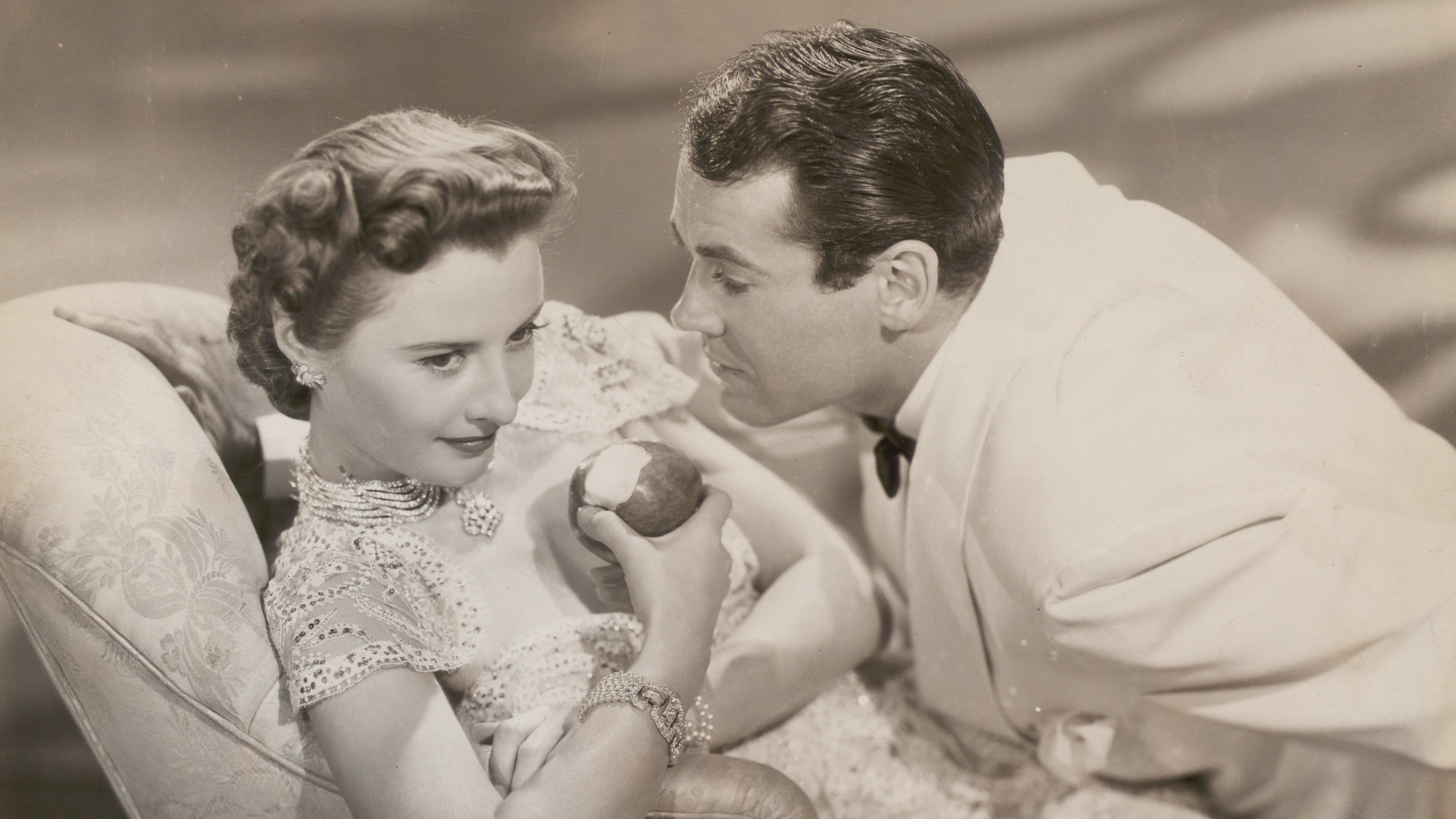
“You don’t know very much about girls,” says Barbara Stanwyck’s slithery card shark to Henry Fonda’s dorky ophiologist in The Lady Eve. “The best ones aren’t as good as you think they are, and the bad ones aren’t as bad, not nearly as bad.” This famous line from Preston Sturges’ great screwball comedy not only serves as a rebuke to all who would cast women into comfortable either-or categories – bad girl/good girl, vamp/ virgin – but so beautifully underlines the amazingly fluid blend of noir and blanc, innocence and experience, in Stanwyck’s astonishing career. For the father and daughter grifters played by Stanwyck and Charles Coburn, travelling on an ocean liner with the millionaire stooge Henry Fonda is a chance made in screwball heaven. In an early scene in the ship’s bar, Stanwyck’s Jean takes his measure, providing a running commentary in her mirror as women try to catch his eye. Eventually the stumblebum falls deliriously into her trap. Their scenes in the cabin, when Hopsie grows dizzy on Jean’s perfume and seductive wiles, are comedy at its transcendent best: I can think of no other duet that is at once so funny and so rapturously sensual, or any movie that combines slapstick and eros so seamlessly. When Jean metamorphoses into the British aristocrat Eve, Fonda (in company with a glorious ensemble of comic actors) succumbs all over again. But who is she? Is she another woman or, as Fonda’s minder Willliam Demarest says, “positively the same dame”? Actresses love to play dual roles – bad sister, good sister, and so on. But Stanwyck is the most versatile in teasing out questions of identity: Slattern or saint? Phony evangelist or beacon of empathy? Low-flying swindler or high-flying aristocrat? Career woman or homebody? Try all of the above. And perhaps of all her directors Sturges, son of a worldly and artistically inclined mother and an industrialist father, best understood the divided nature. And how a woman could be one or the other or both.
Molly Haskell