


Film notes
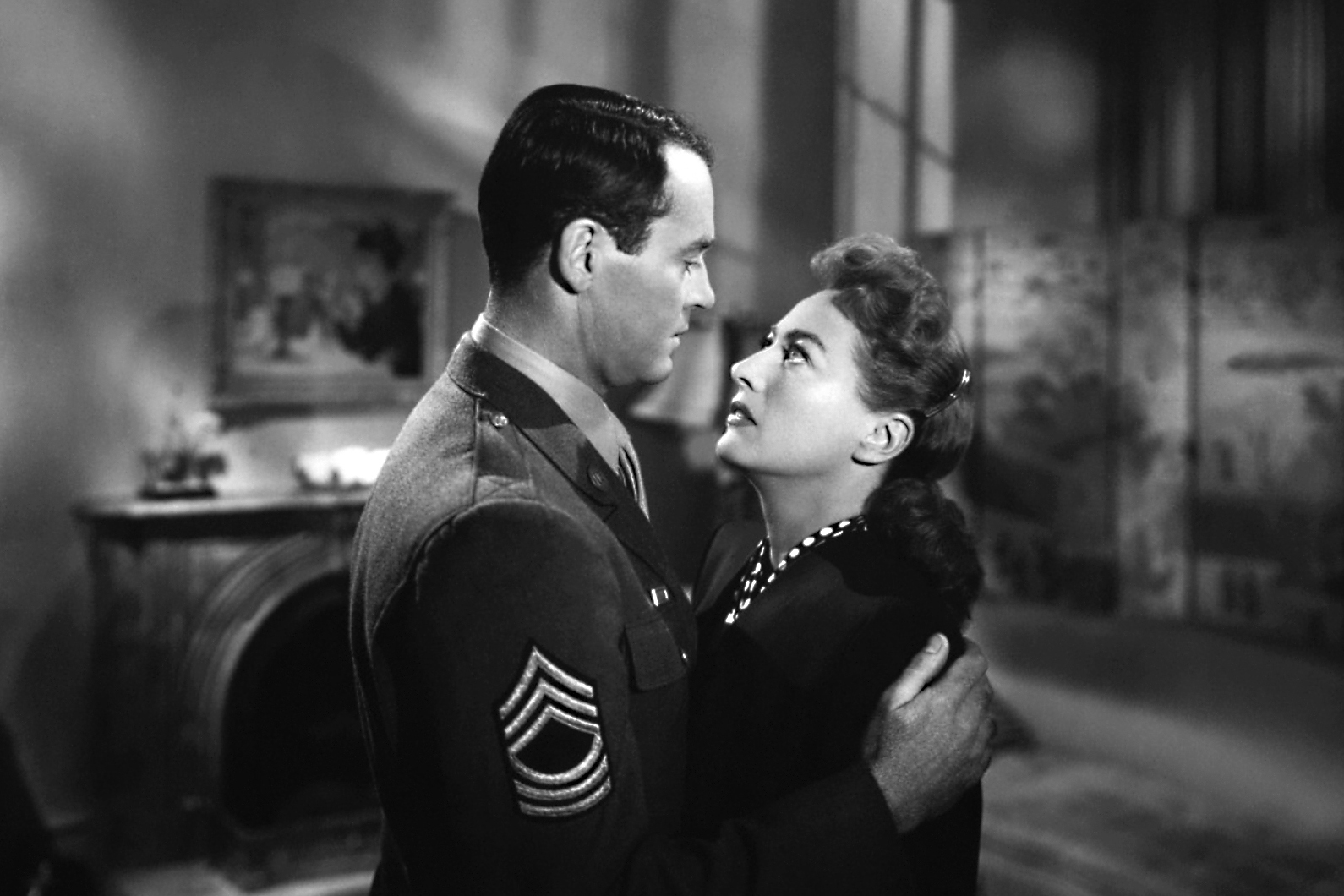
“Otto is a dear man, sort of a Jewish Nazi, but I love him”. Joan Crawford’s quip about her director may have raised eyebrows among Jews and Nazis alike, but it wasn’t the reason why the Legion of Decency put up a fight against Daisy Kenyon or why critical interest and box-office results were so low for this noir-tinged ménage a trois. The film may have simply been too adult for its historical moment. Today it is hardly better-known, but several critics have come to view it as one of Preminger’s most complex and morally ambiguous works. Its sympathies and criticisms are evenly distributed – and constantly shifting – between the three protagonists: Daisy (Crawford), a single and self-assured fashion designer; Dan (Dana Andrews), a successful lawyer who cheats on his wife (and whose profession allows Hollywood to highlight the US wartime concentration camps for Japanese-American citizens for the first time); and Peter (Fonda), an unstable, depressed war veteran and widower who is haunted by nightmares. Fonda can wear a new mask here, writes Devin McKinney, “while generating enough torment and sexiness to suggest that the mask is not something he was handed, but a face he brought with him”. Chris Fujiwara, in his study of Preminger, rightly celebrates the “threeway-showdowns” in Daisy Kenyon and the way it “questions what kind of film it is. ‘All right, have your tragedy, have your melodrama’ , Daisy tells Peter, criticising his attempt to articulate the sense of acute loss and unreality he experienced after his wife’s death and accusing him of ‘trying to sound like a case history’”. Preminger “rejects categories and genres” in order “to create space, to open the film and the characters to a wider world. […] The film is about a search for lucidity”.
Alexander Howarth