

Film notes
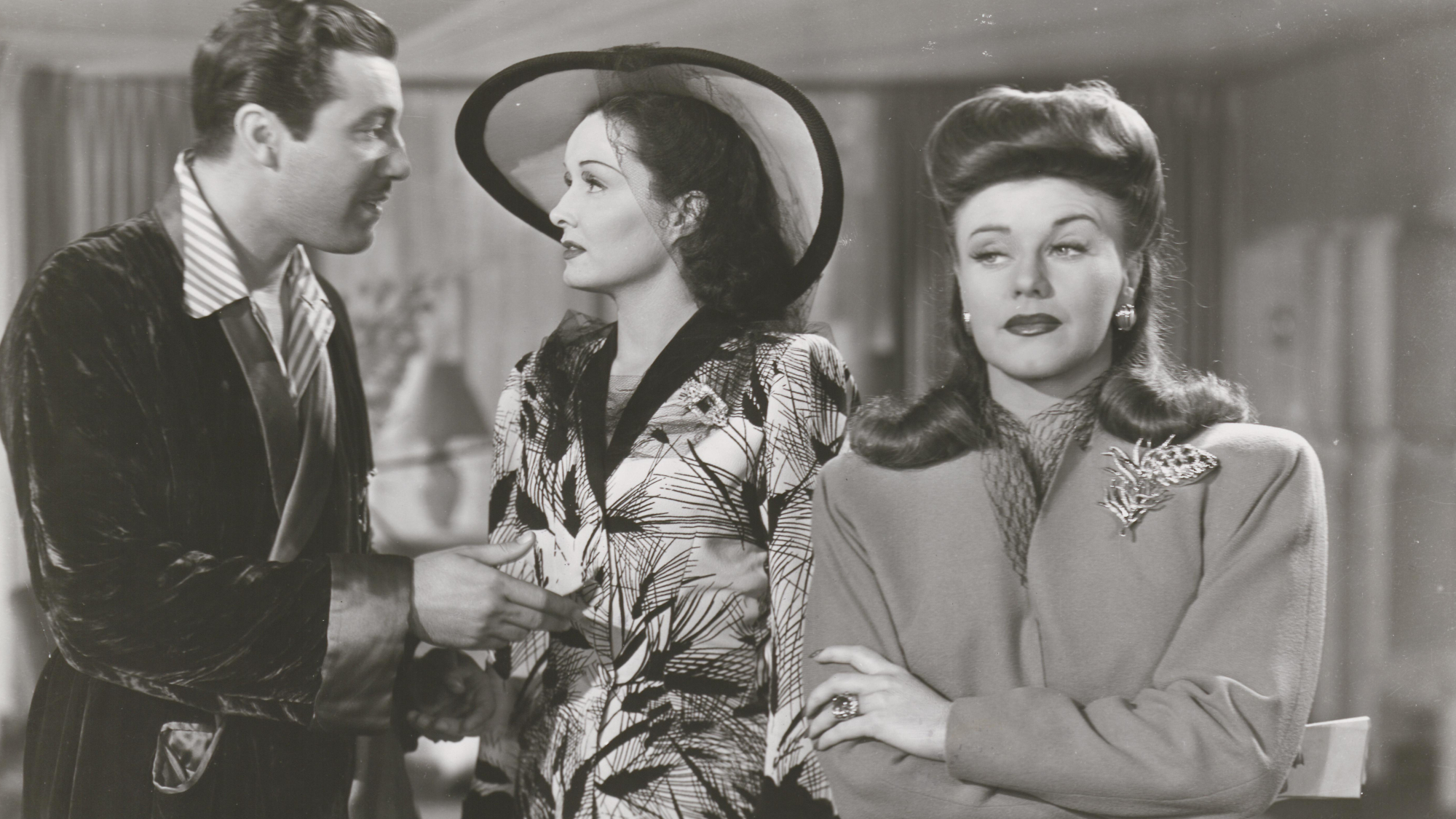
Having emigrated from France in July 1940 to escape the Nazis, Julien Duvivier enjoyed an excellent reputation in Hollywood, where he had made The Great Waltz in 1938 and went on to direct five more films up to 1944. The second of these was Tales of Manhattan, which originated as a project by producer Sam Spiegel for 20th Century Fox. The central idea (a tailcoat that brings misfortune as it passes from one person to another across six stories) came from Historia de un frac (1930), a short story by the Mexican writer and ethnologist Francisco Rojas González. Spiegel entrusted the screenplay for the individual episodes to about 15 writers (including Ben Hecht, Ferenc Molnár, Donald Ogden Stewart, Lamar Trotti and, according to some sources, an uncredited Buster Keaton), with the intention of having different directors helm each one. But Charles Boyer (the lead in the first story) persuaded him to entrust the entire film to Duvivier, who, taking on a commissioned project, confirmed his ability to move from chamber drama to comedy, from farce to social fable. The central theme – the play of appearances and pretence – suited him well, and the episodes that stand out most (the first, third and fourth) are those where he was able to focus on the darker sides of human nature and the tension between individual solitude and the crowd. Particularly masterly are the use of depth of field and the production design (by Richard Day, Boris Leven and Thomas Little), as well as the direction of an exceptionally high-calibre cast (in which Boyer, Thomas Mitchell, Henry Fonda, Ginger Rogers, Charles Laughton and Edward G. Robinson all shine). The film was Duvivier’s greatest success in the US, but it drew criticism from Paul Robeson, the lead in the final episode, for portraying Black people in an overly simplistic light, and the newspaper “Sentinel and Tribune” organised protest demonstrations.
Roberto Chiesi