Film notes
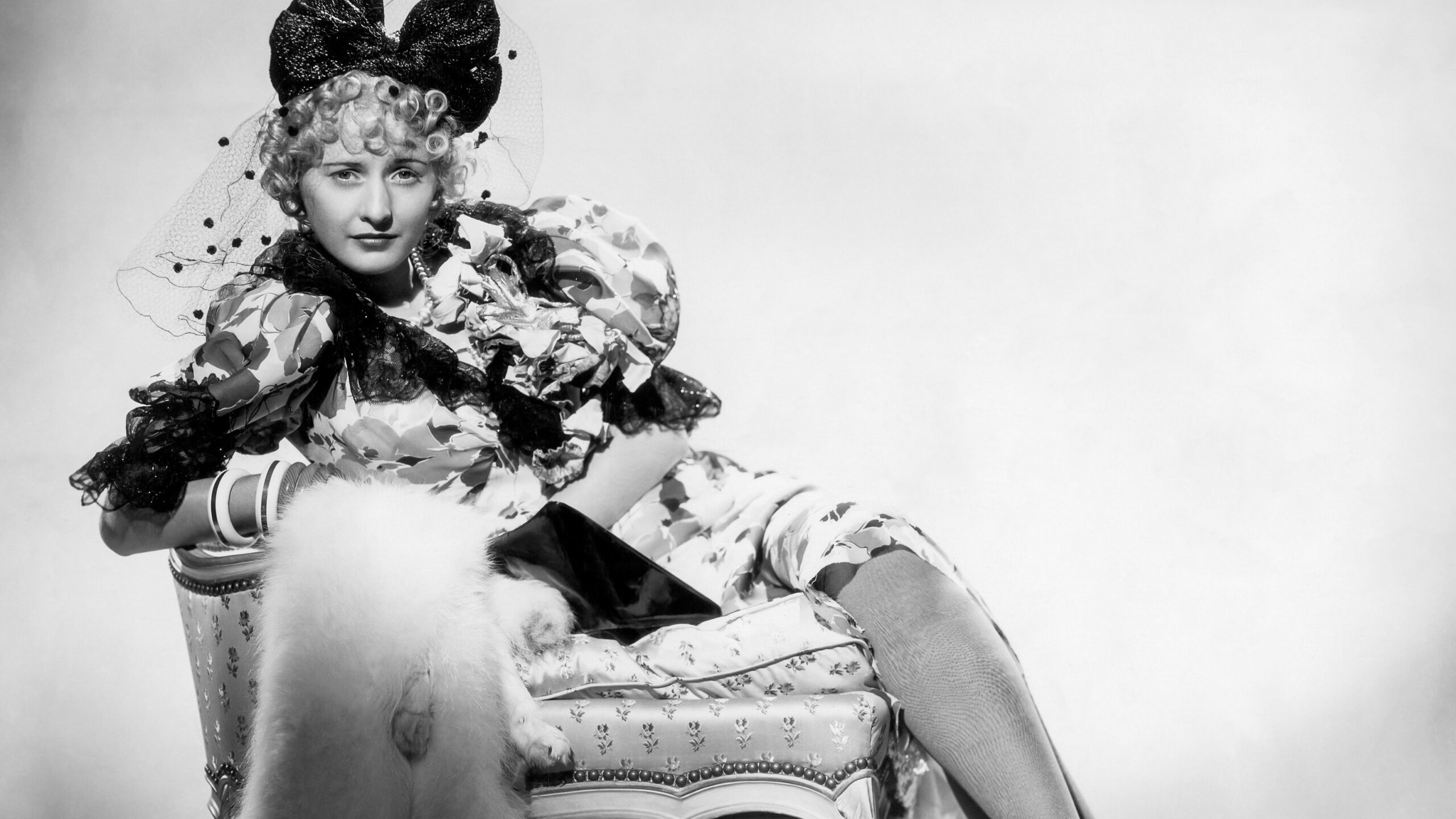
Friends warned Barbara Stanwyck that if she played the tacky, self-sacrificing mother in Stella Dallas, she’d only play mother roles from then on. Not on your life! Though that is what happened to Belle Bennett, who played Stella in the 1925 silent version of the Olive Higgins Prouty novel. But then Bennett was a motherly figure, plump and blowsy, in a way slender, agile Stanwyck simply couldn’t be. Under King Vidor’s full-throated direction, she takes Stella to a plane where she’s no longer just Everywoman but an outrageous creature who breaks our hearts even as she grates on our nerves. Her ambitious mill-town girl first snares the wellborn Stephen Dallas (John Boles) in his office. In an exquisite scene, she speaks in dulcet charm-school tones as smooth as the glass she’s symbolically polishing. I don’t want to be like me, she tells him on their first date, begging him to educate her in the finer things. This tutorial proves sadly ineffective as, no sooner wed, Stella soon relapses into the raucous free spirit whose real soulmate is the rowdy Ed Munn (Alan Hale). Her one great virtue is of course her love for daughter Laurel (Anne Shirley), in whose interest she’s willing to obliterate herself. She scandalizes the entire town (that terrible no-show birthday party!), and then the country club set of Stephen’s (and potentially Laurel’s) new life. In exhibiting responsibility, Laurel in effect becomes the mother, Stella the tone-deaf child. Yet who can resist the final scene when she tearfully watches the wedding of her daughter into Stephen’s
circle and then moves on? A subversive interpretation of this portrait of woman’s sacrifice: could the sheer extravagance of motherlove be suggesting its opposite, compensation for not wanting to have children at all? After all, most of the stars weren’t fabulous mothers, so some of that aversion to biological destiny may have fed Stella Dallas.
Molly Haskell