Film notes
Black and White vs Tinting and Toning
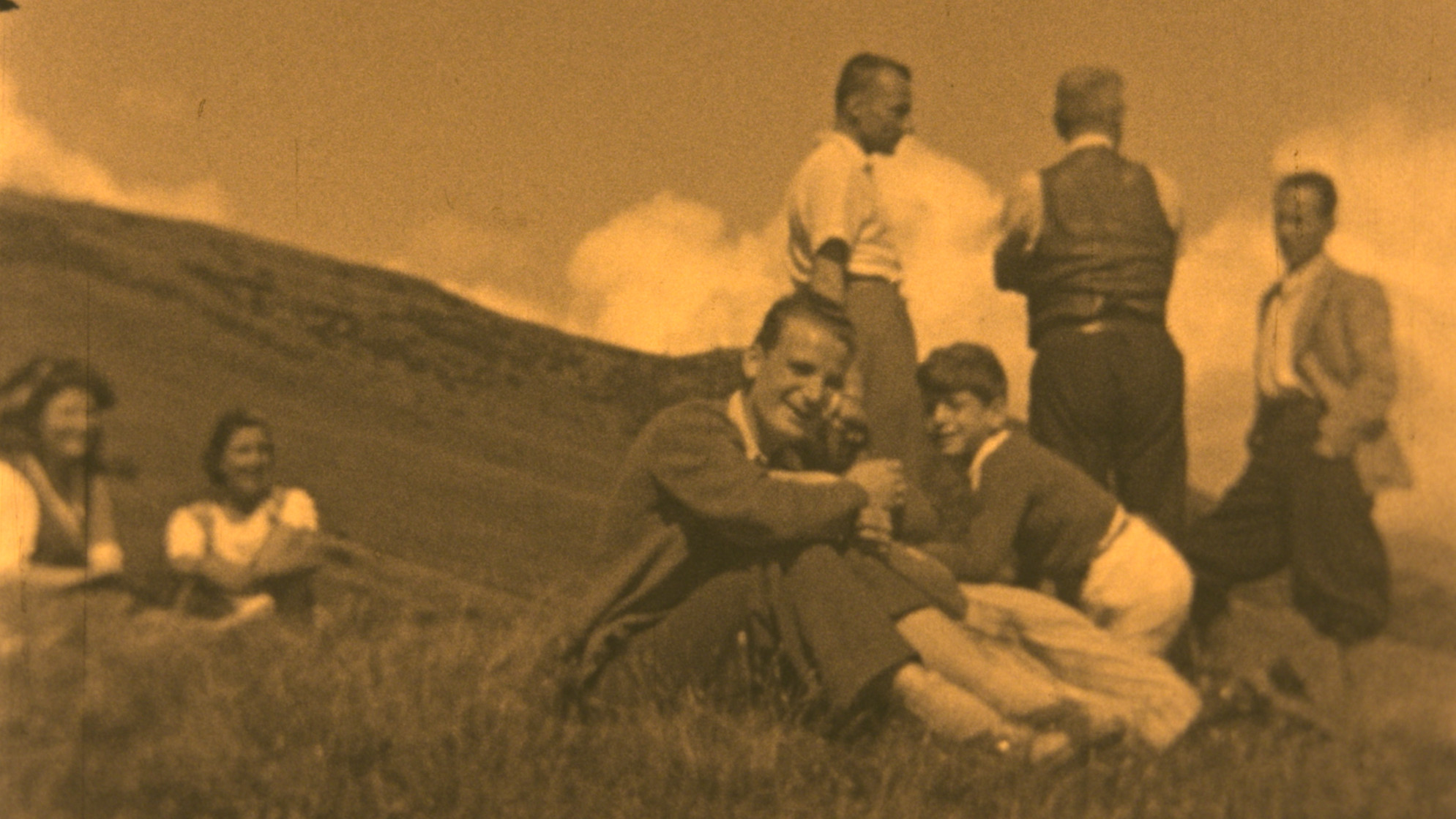
After it is developed, black-and-white emulsion can be modified through the addition of substances that chemically react with the silver. Silent cinema offers the most obvious examples, but reversible black-and-white stock can also be used for tinting, toning and the hand-colouring of individual frames – and 16mm provided greater opportunities for experimentation. There are also emulsions with a coloured base, as in the case of the extract by the amateur filmmaker Giuseppe Denti. Warm and cool colours can add emotion to a story, as in the case of the 1934 Czech film preserved by the Národní filmový archive, which alternates black and white with blue and orange. In the case of the more sophisticated amateur filmmakers, home developing and printing could produce astounding images. This is the case with Edoardo Scotti, who coloured and toned his films after developing them and duplicated certain parts to create special effects. The colourants he used created a palette comparable to that used in dyeing fabrics (he was also a textile manufacturer). Maurice Gagnon experimented freely, filming fireworks and then colouring the images, creating a spectacle that intensifies the colourful magic of the pyrotechnics.
Mirco Santi
Cameraless captured colours
In all the films in this programme the images are produced by direct physical manipulation of the film strip. The filmmakers presented here did not use the small-gauge film stock in the form intended by its manufacturers. All the colour(ful) images of these films were created without using a camera: instead, the filmmakers applied various artistic processes such as painting and drawing on the film strip, scraping and scratching in the emulsion, manipulating the film material with chemicals, burying it in the ground, covering it with artefacts from nature or exposing the photosensitive material directly in the daylight. This very unusual handling of film stock results in superior colours, which would never have seen the light of day by the ordinary exposure of 16mm film stock.
Karl Wratschko