SCREENING

SIETE MUERTES A PLAZO FIJO

In this screening

SIETE MUERTES A PLAZO FIJO

Cast and Credits

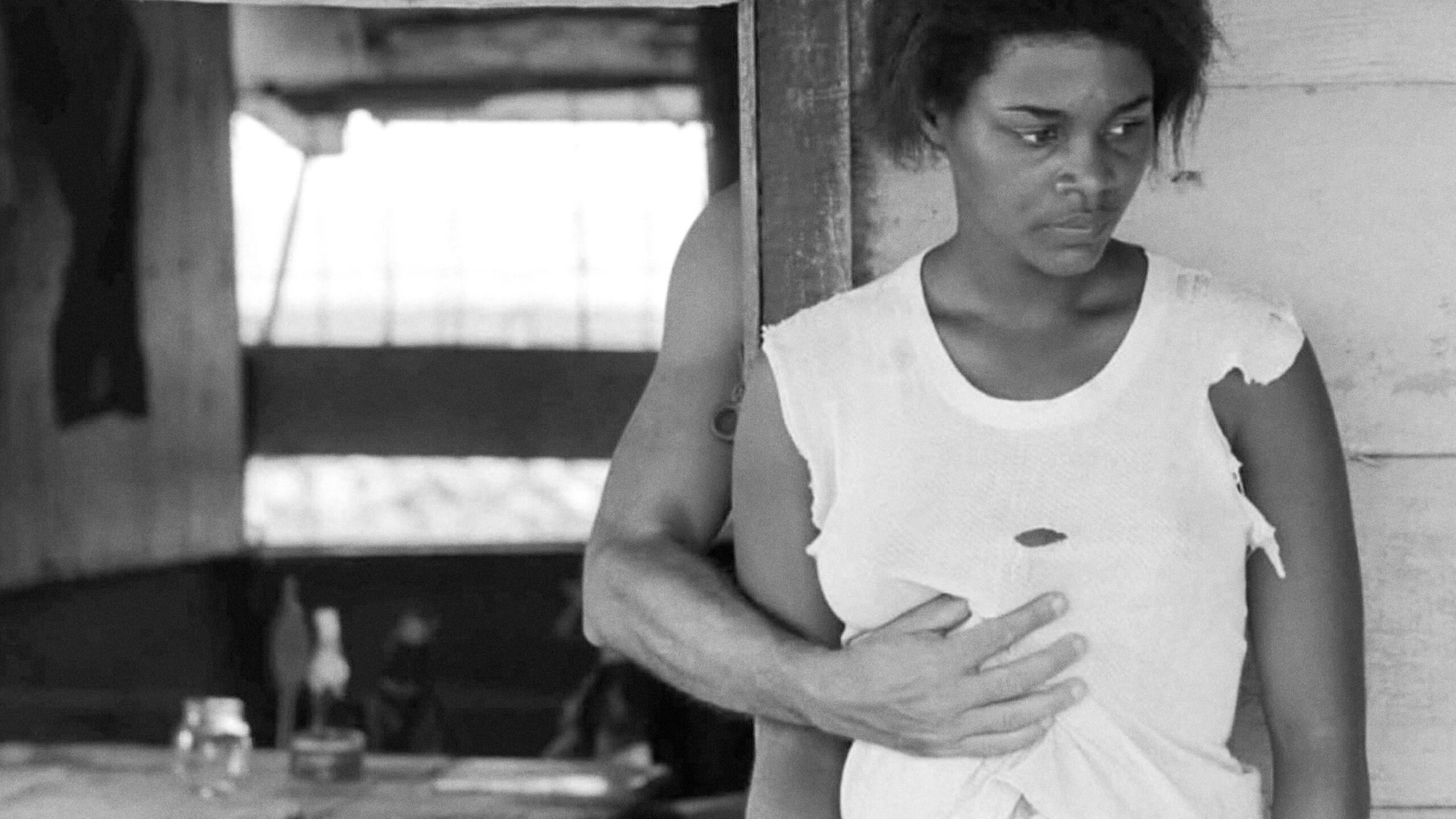
Sog.: Ramon Obon, Carreon. Scen.: Antonio Ortega, Anita Arroyo. F.: Hugo Chiesa. M.: Mario Gonzalez. Scgf.: Candido Alvarez-Moreno. Mus.: Osvaldo Farres. Int.: Juan Jose Martinez Casado (detective), Alejandro Lugo (Siete Caras), Raquel Revuelta (banker’s wife), Maritza Rosales (dancer), Eduardo Casado (Esteban Navarro), Rosendo Rosell (journalist), Manolo Fernandez (singer), Pedro Segarra (Father Manuel). Prod.: Jose Gonzalez Regueral for Manolo Alonso Films. DCP. D.: 90’. Bn.

Film notes

Some of the names of those who took part in the making of Siete muertes a plazo fijo will be remembered as those who laid the first solid, foundation stone of the great edifice of national cinema; it can be said that true Cuban cinema began with Siete muertes a plazo fijo.

Mirta Aguirre, “Hoy”, 21 October 1950

1950 was a significantly productive year for Cuban cinema. No fewer than 14 feature films were made. Some are imitations of Mexican and Argentine melodramas and, above all, lightweight comedies abound … Included in that list is Siete muertes a plazo fijo, which by unanimous consensus is one of the finest feature films made in pre-revolutionary Cuba …
Siete muertes a plazo fijo is often classified as a crime film or thriller. And it is true that in its opening passages the film moves through territory that immediately recalls film noir and North American B-movies: the first scene, following the opening credits over nocturnal images of Havana, shows a man reading a newspaper. The most prominent headline reads: “Siete Caras has escaped.” Moments later said individual enters a building, points a gun at two men and forces them to knock on a door – that of the home of the banker Esteban Navarro, who has organised a small party to celebrate the new year … An unexpected and enigmatic character then appears. He says his name is Crisantemus: he is an astrologer, and he predicts that seven of those present, including the notorious criminal, will die in the days that follow. From that point the film takes a different turn and focuses on the reactions of the characters, tormented by the possibility that the remaining predictions will come true. This introduces a tone of comedy, largely dark comedy, that until then had been only faintly intimated … The film is not, however, without a degree of tribute to the cinema then dominant on the island. There is, on the one hand, the intrusion of melodrama in the sentimental scene in which Siete Caras goes to visit his dying mother … Equally inconsistent is Alonso’s lapse in inserting three song-and-dance sequences that seem conceived for an entirely different film … Manolo Alonso succeeded in making a film with a genuine aesthetic quality, executed with technical care and sober, professional direction. The story is told with assurance, at a well-judged pace and with agile enough sequences … Siete muertes a plazo fijo is not a masterpiece, nor does it claim to be. But it achieves a broadly stimulating and satisfying balance and manages to stand clearly apart from the anonymous cinema that had until then been produced in Cuba.

Carlos Espinosa, Siete muertes a plazo fijo, cubaencuentro.com, 19 November 2010

Copy sourced from
In collaboration with
4K restoration by

Restoration credits

Restored in 4K in 2026 by Cineteca di Bologna, in collaboration with Instituto Cubano del Arte e Industria Cinematográficos (ICAIC), at L’Immagine Ritrovata laboratory from a combined dupe positive.

Do you have a Festival Pass?

Not a pass holder?

Other films in the screening