Film notes
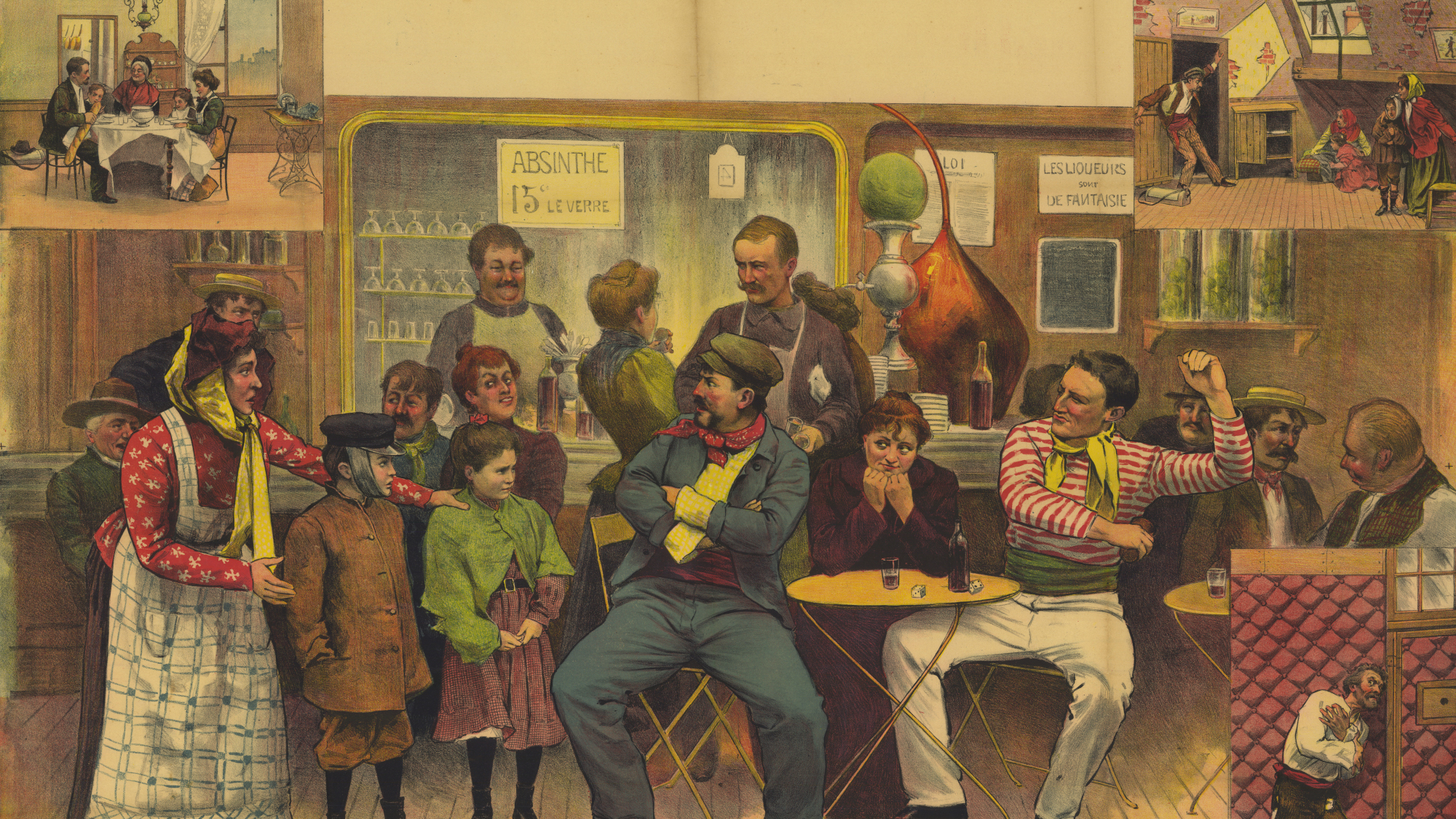
Zecca’s arrival at Pathé at the end of 1900 was marked by the start of an ambitious programme of film production, including longer fiction films, boosting turnover in 1901. This buoyant period continued in 1902 and Pathé experienced a staggering period of growth right up to 1908. Little by little, the cinematograph went from being an attraction to a spectacle. This development was not unique to Pathé. Featured in Georges Méliès’ catalogue is Le Voyage dans la lune, the purchase of which represented a significant investment and a lucrative one for or an itinerant showman. In 1902, film earnings at Lumière increased by 50%. At Pathé in 1901, Zecca shot films such as La Vie et la Passion de Jésus-Christ (32 scenes, and the second Passion by Pathé, following Breteau’s earlier version), Ali Baba et les quarante voleurs (12 scenes) and Les Victimes de l’alcoolisme. Each scene from any given film could be purchased separately. Ali Baba and Les Victimes were the first films to feature on posters, which were designed by Cândido de Faria. To support this turnaround and respond to customer demand, Charles Pathé obtained loans from the board of directors. In Paris, he converted a warehouse at 8, rue Saint Augustin; in Vincennes, he set up printing and developing workshops on rue du Polygone, and ordered the construction of a 176 m2 film studio connecting to a rudimentary storage hangar. This was completed in 1902. As noted by the board of directors in November 1902, the building made it possible from that point onwards to shoot “big scenes with large numbers of characters on set”. Securing the budget for this was made easier by the existence of Pathé’s other line of business, the phonograph, which was attracting everyone’s attention. The cinema arm of the business was making modest but steady progress.
Stéphanie Salmon