
Film notes
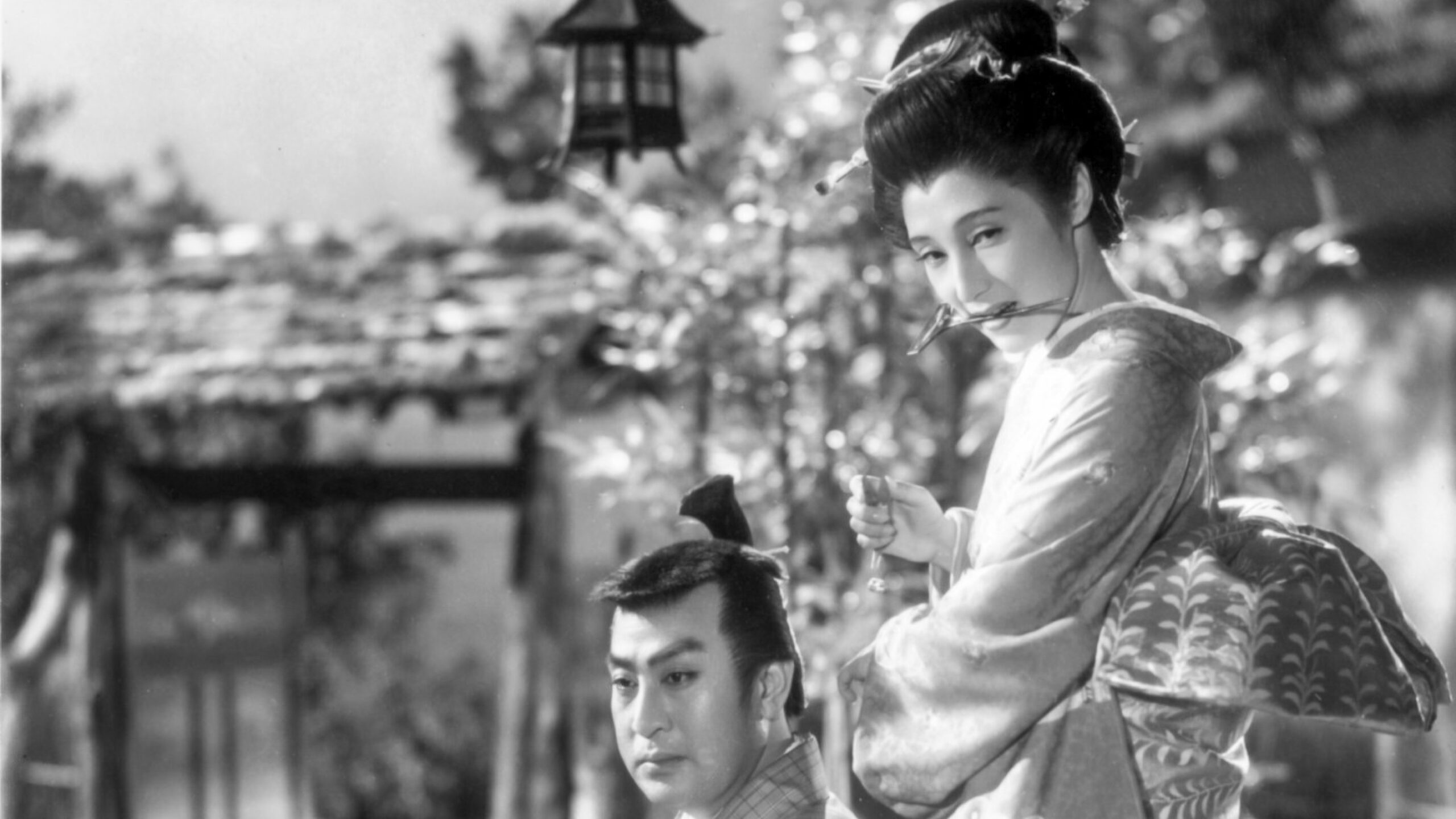
This masterpiece of jidai-geki was a prestige project commissioned to celebrate the 30th anniversary of Shochiku’s entrance into the world of film production, and as such, gathered three distinguished screenwriters and a roster of the company’s leading stars along with actors from the kabuki and shinpa stage. The two leads were played by Ito’s regular star Tsumasaburo Bando, in what turned out to be their last collaboration before the actor’s untimely death, and another celebrated and prolific jidai-geki actor, Utaemon Ichikawa (1907-1999), both of whose careers stretched back to the silent era. Ito was himself celebrating 30 years in the industry, having had his first screenplay accepted by Shochiku in 1921. The drama focuses on the conflict between the so-called hatamoto-yakko (street gangs composed of samurai and ronin) and machi-yakko (gangs of commoners). These groups were the precursors of modern yakuza, but Chobei Banzuiin (1622-57), the leader of the machi-yakko gang depicted in this film, had become a folk hero, credited with upholding the interests of the common people against the wealthy and powerful. Ito, however, also presents a not wholly unsympathetic portrait of Chobei’s antagonist, hatamoto Jurozaemon Mizuno, who is depicted in most tellings of this story as an unambiguous villain. Tadao Sato writes that “This represents one expression of the modern reinterpretation of the samurai class that Daisuke Ito had long pursued, and it also aligned with the postwar tendency in period drama to take a critical stance toward feudalism. At the same time, it was clearly a consideration in casting Utaemon Ichikawa – an actor who had always played the righteous hero – in this role. A major star must always be a hero; consequently, when two major stars are brought together in a prestige production, the drama cannot be structured as a simple confrontation between good and evil but must be arranged as an unavoidable clash between two noble heroes.”
Alexander Jacoby e Johan Nordström