
Film notes
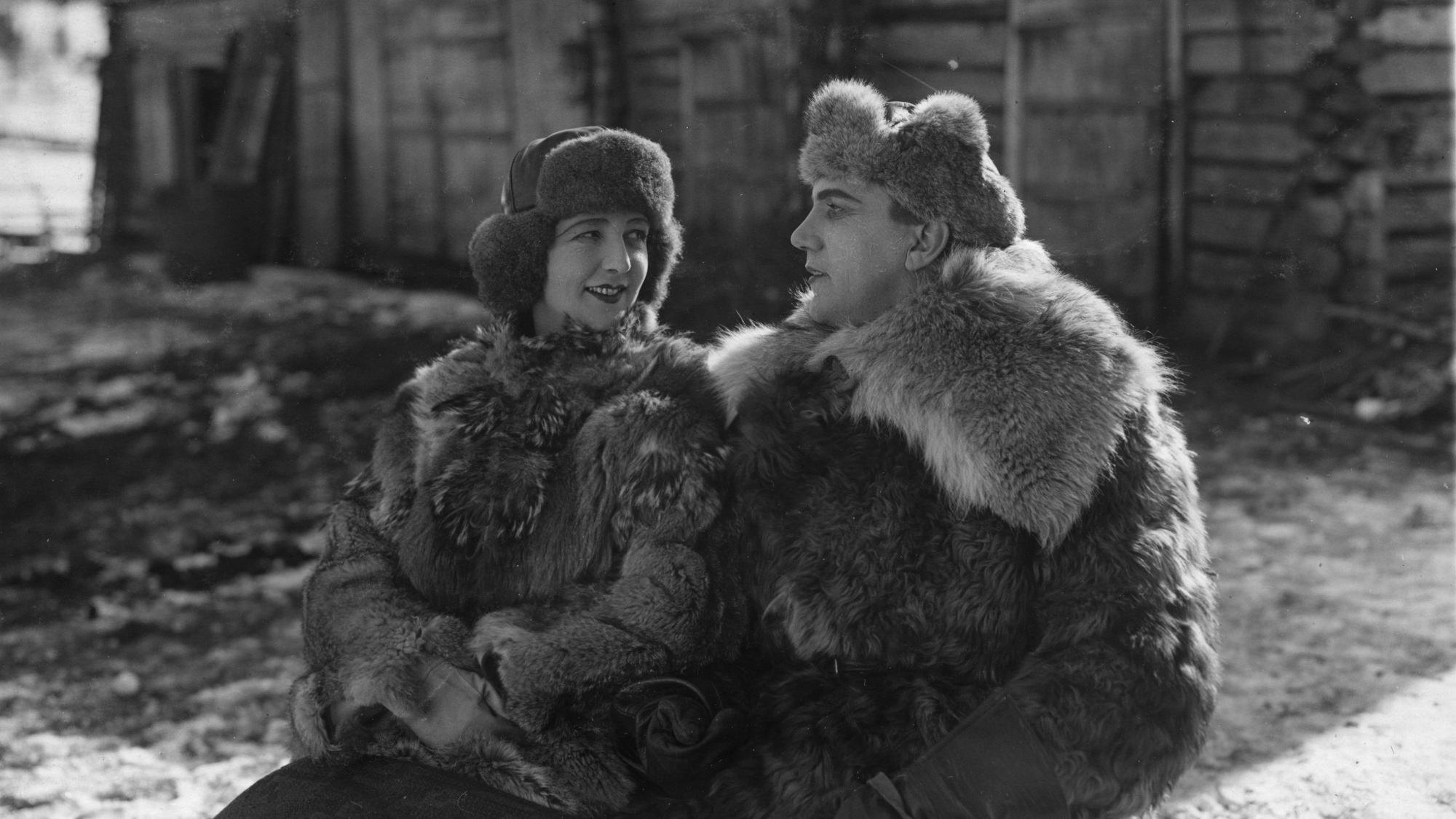
Set in freezing Finland, Teuvo Puro’s Noidan kirot creeps into the viewer like a harsh northern wind – quiet at first, then chillingly cold. Framed against seemingly rugged Lapland landscapes (in fact, filmed around the Finnish Lake District and in studios in Helsinki), the film unfolds as a melodrama where nature is not just scenery but an accomplice: forests whisper, streams judge, and the snow remembers everything. At its heart is Selma, a bride brought north to Utuniemi by her earnest husband Simo, only to inherit a past she never asked for. The villagers’ history is steeped in violence: long ago, settlers murdered the Sámi sorcerer Jantukka who, in a final act of spite, cursed the land. Over the years, perhaps more than the soil, the curse has seeped into the people. For Selma, it takes a brutally tangible form in Paksu Sakari, the head of the lumberjacks, whose grotesque presence proves more frightening than any ghost. After directing Before the Face of the Sea (1926) for Komedia-Filmi, Teuvo Puro returned to Suomi-Filmi, the company he had co-founded, to adapt Noidan kirot. The film is based on a novel by Väinö Kataja, whose work had already proven its cinematic appeal: Erkki Karu’s adaptation of The Rafter’s Bride (1923) had been a major success. Puro’s direction – remarkably fluid for an early Finnish horror – builds tension “stone by stone,” as critics of the time observed. Each scene flows into the next with quiet inevitability, like stepping deeper into a bog you didn’t notice until it is too late. The film balances melodrama, horror, and an almost political undertone: what if the “curse” is really inherited guilt, the violent foundation of settlement, dressed up as folklore to make it easier to bear?
Otto Kylmälä