

Film notes
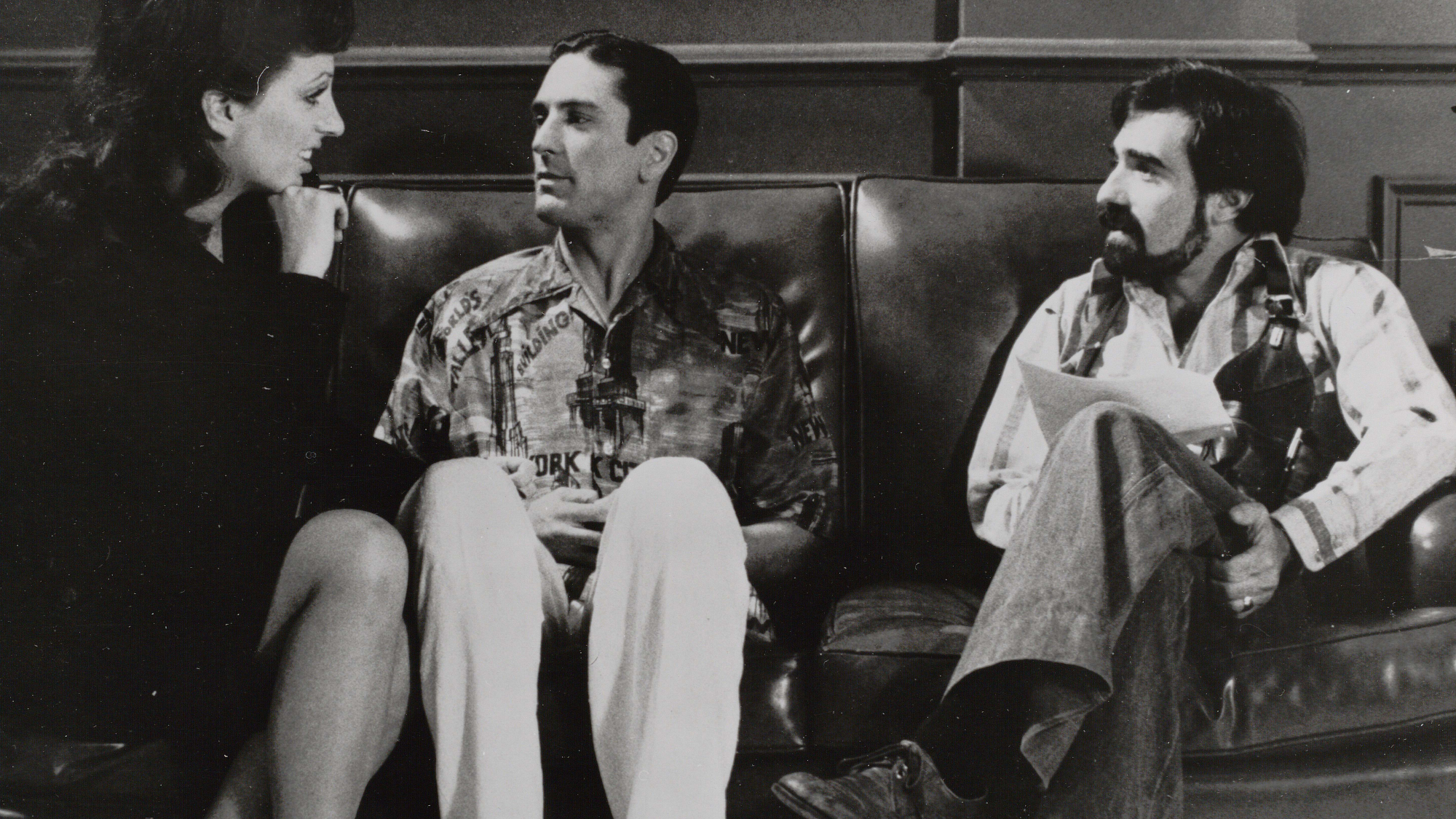
New York, New York is Scorsese’s first film shot entirely in the studio. The director comes from a school of direct cinema, from a kind of documentary stylistics that is entirely absent here. Scorsese seems therefore to have abandoned the conventions of the new cinema in order to return to the old Hollywood system, and not only in terms of set design. The film is constructed technically according to pure Hollywood tradition, abandoning the long cinéma-vérité sequences of his very early films such as Mean Streets. Furthermore, the fabric of the story is continually interwoven with scenes that refer unmistakably to cinematic models of the past, to the melodramas of Minnelli, for example, and, by the director’s own admission, to earlier filmmakers such as Stahl, Leisen, and others. But the enthusiast will be able to fish out allusions even to Astaire (the sailor who seems to have stepped out of Follow the Fleet, 1936, by Mark Sandrich) and to who knows how many biopics of musicians fashionable in the past. Scorsese has no intention of building a little toy for cinéphiles, but rather of aligning himself, on his own terms, with that cinema of nostalgia that had been holding sway for some years. It has often been said that the cinema of nostalgia concealed in reality a nostalgia for cinema itself – an awareness of the end of a cinematic practice and experience long since buried by time and technology. In this way, retracing one’s own past, in the various senses in which this occurred, from Bogdanovich to Pollack, and identifying it with that of the medium that was revisiting it (cinema), became a metalinguistic operation played out on an essentially hyperrealistic terrain. The image presented itself as institutionalisation, as a simulacrum behind which there was nothing but itself. Scorsese embraces this impulse and, beneath the guise of homage to this or that film, this or that director, re-shoots a biography of tormented artists. Of course, he does so in his own way – that is, by inserting his usual themes of individualism, meaning the inability to connect, to communicate consciousness.
Franco La Polla, Sogno e realtà americana nel cinema di Hollywood, Il Castoro, Milan 2004