
Film notes
Completed in 1952, Nagarik marked the directorial debut of Ritwik Ghatak, but the film was only released in 1977, after his death. Nagarik was not simply Ghatak’s debut feature; it was the cinematic expression of his IPTA training, Marxist convictions, and personal anguish over Partition. Ghatak’s experience as an actor and assistant director on Nemai Ghosh’s film Chinnamul (1950) also had a profound influence on Nagarik, both thematically and stylistically. Chinnamul was Ghatak’s first encounter with cinema as an expression of displacement, class struggle, cultural rupture and collective suffering – themes that would define his later masterpieces, and are already fully visible in this first film.
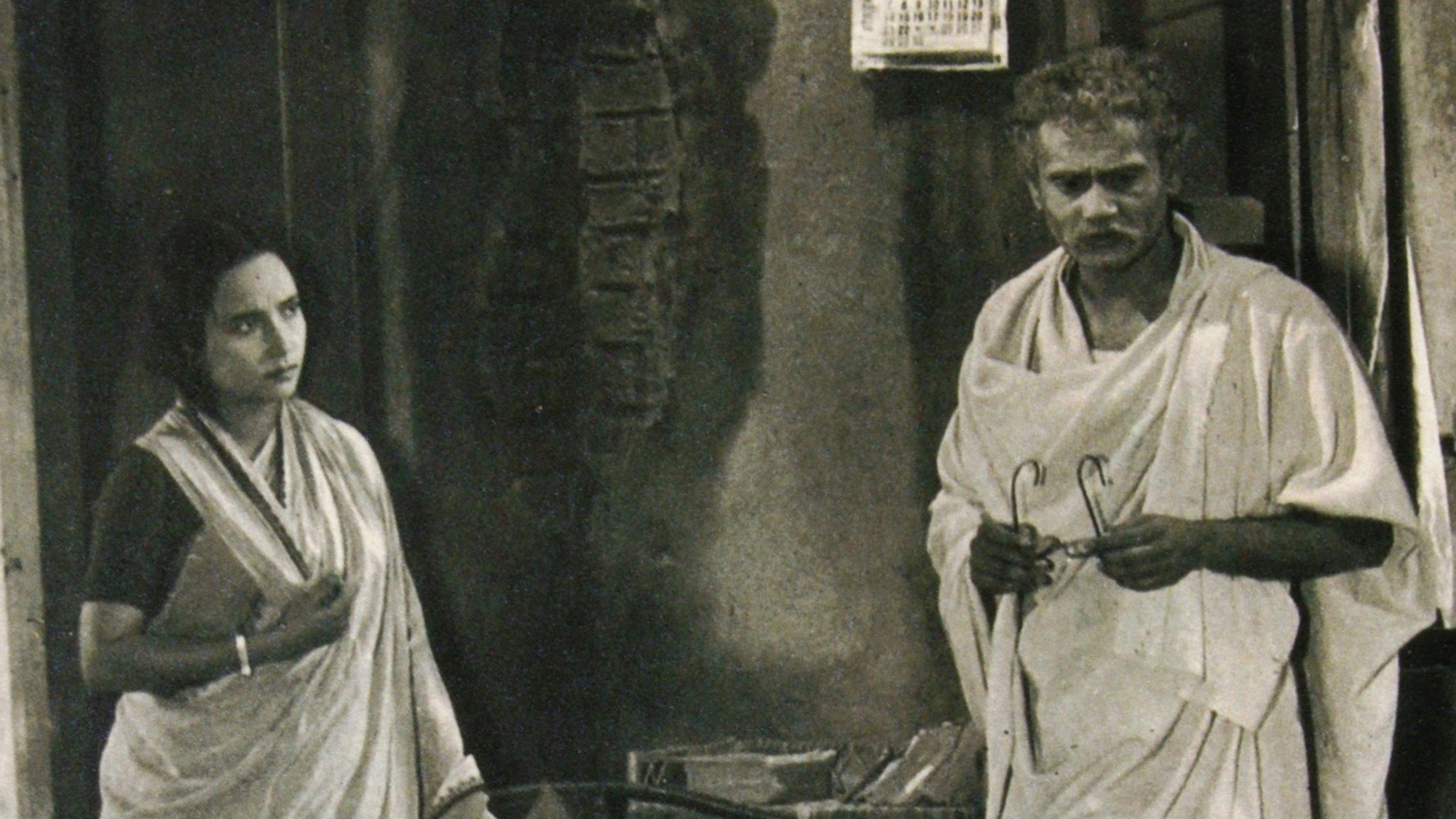
Nagarik, made in the aftermath of Partition, documented – through the vicissitudes of Rami, a young graduate searching for work – its impact on an urban middle-class family facing declining economic opportunities and gradual impoverishment in a country coming to grips with intense change.
Even with its limited budget, Nagarik already showed his distinctive visual language. The cinematography uses stark black-and-white imagery, deep shadows and carefully layered compositions to reflect the emotional suffocation of middle-class life in post-Partition Kolkata. The sets in the film are deliberately cramped and much of the action unfolds inside narrow rented rooms, courtyards and modest interiors that emphasise poverty, unemployment and social stagnation.
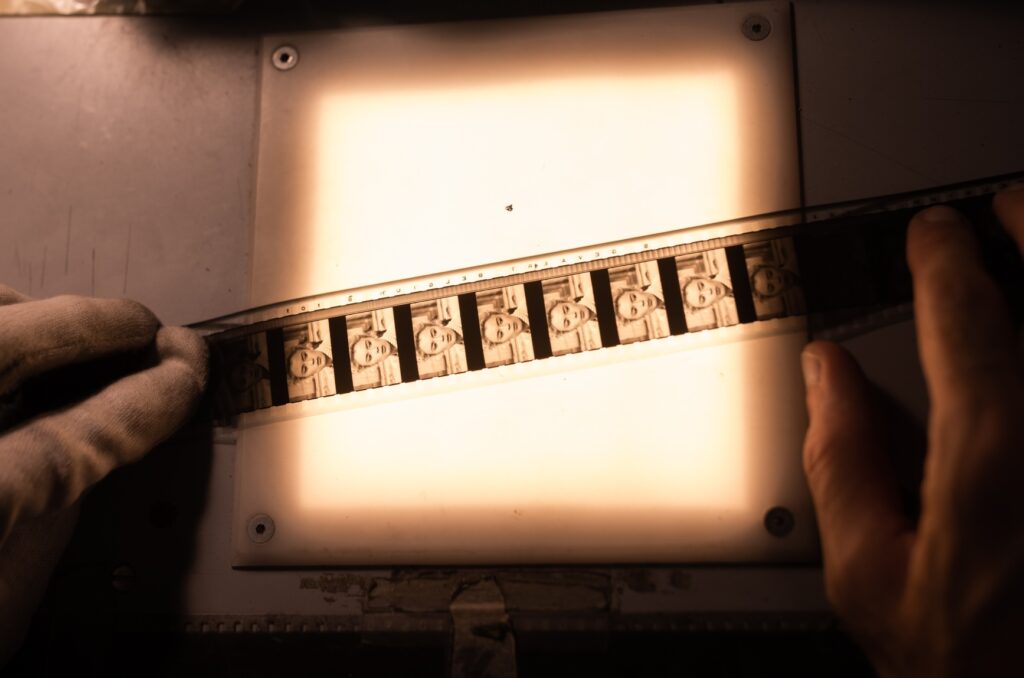
The film was believed to be lost for ever. However in 1976, six months after Ghatak’s death, some Bengali cinema enthusiasts set out in the search of the film and finally found the film, severely deteriorated over 24 years, lying in a film lab in Kolkata. A group of dedicated technicians worked on salvaging the film, finally managing to make a fresh print that was released in the cinemas in 1977. One cannot help but think that Nagarik, made before Satyajit Ray’s Pather Panchali (1955), would have changed the trajectory of the history of Indian cinema if it had been released when it was made.
Shivendra Singh Dungarpur