
Film notes
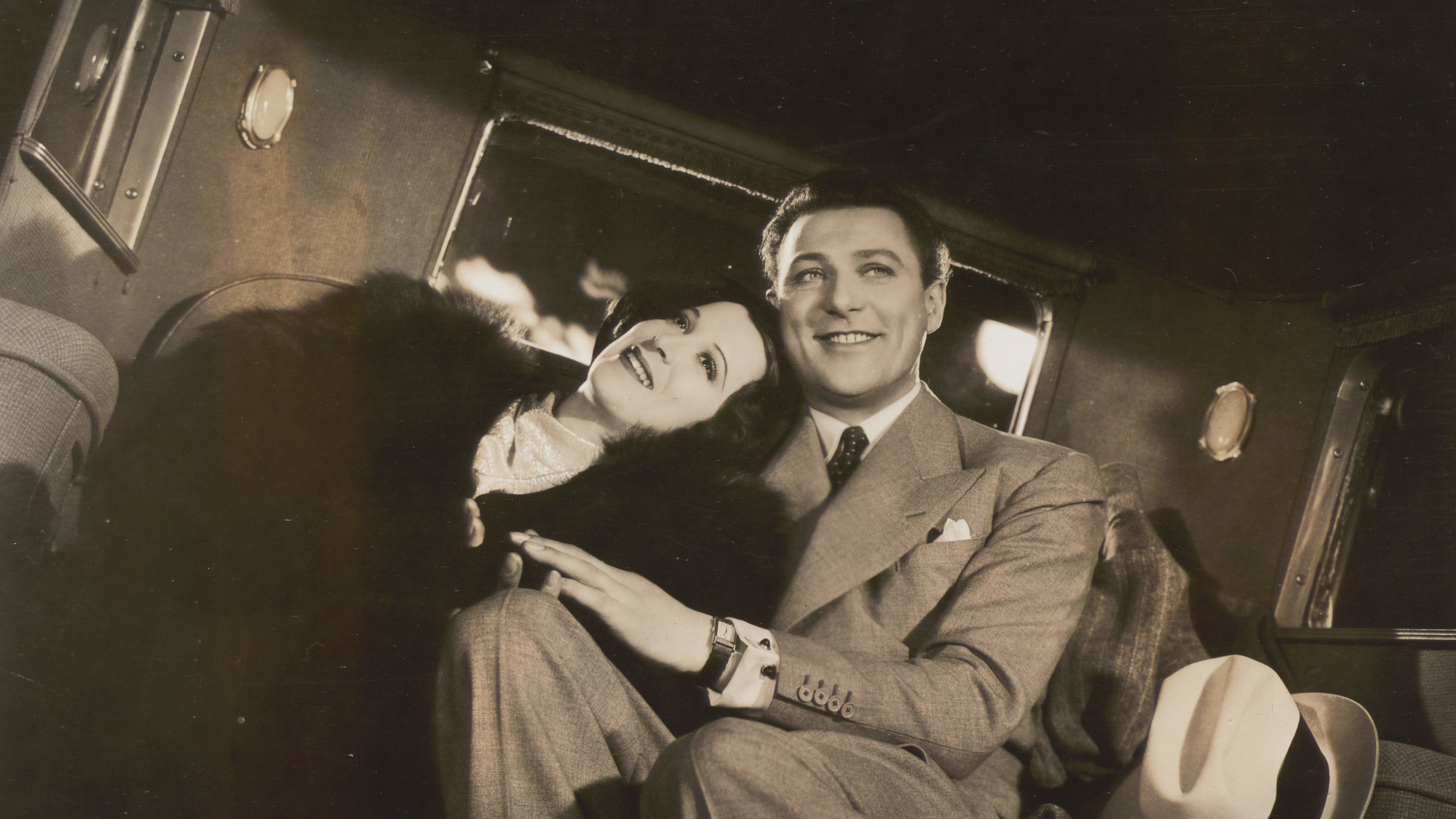
This is the finest of Mitchell Leisen’s quartet of “variety films”, those madcap blends of comedic routines, fashion-catwalk extravagance, ostentatious decors, and marquee talent, featuring artists drawn from music, radio, and cinema. Loosely stitched together by narratives that rely almost entirely on the power of spectacle, these films often include risqué pre-Code interludes that push the limits of dressing – or undressing. (In this one, nude women appear disguised as cactus flowers.) Murder at the Vanities offers more lingerie than narrative logic. Each of Leisen’s variety films has its own zany variation. Here, heavenly bodies parade across the stage while offstage murder and intrigue lurk in the wings, blood dripping onto “the Most Beautiful Girls in the World”, making the film an unlikely precursor to the gialli of the 1970s. Acid, knives, and machine guns await around every corner of its murder- mystery subplot. Yet the numbers are so drenched in orgiastic opulence that Victor McLaglen, playing the policeman on the trail of the killer, can hardly keep his mind on the case. The production design is delightfully eclectic, evocative of 1930s magazine advertisements, as if each scene were a freshly turned page in a casual browse. There is even a sea made of feathers – something not even Fellini, in his wildest Cinecittà reveries, dared to dream. Within the film, the stage production and Leisen’s trade camerawork gestures eventually lock together in visual counterpoint. The framing borrows the proscenium’s scope, while the camera movements animate the tableaux vivants, lending them fluidity and motion. The film’s finest moment arrives when Duke Ellington and His Orchestra perform a deliciously inventive hide-andseek duet with another ensemble – a classical-kitsch affair – and Ellington slips, with almost no effort, from chamber music into hot swing. With music and goofiness so thoroughly intertwined, even Leisen himself appears in a cameo as an orchestra conductor.
Ehsan Khoshbakht