

Film notes
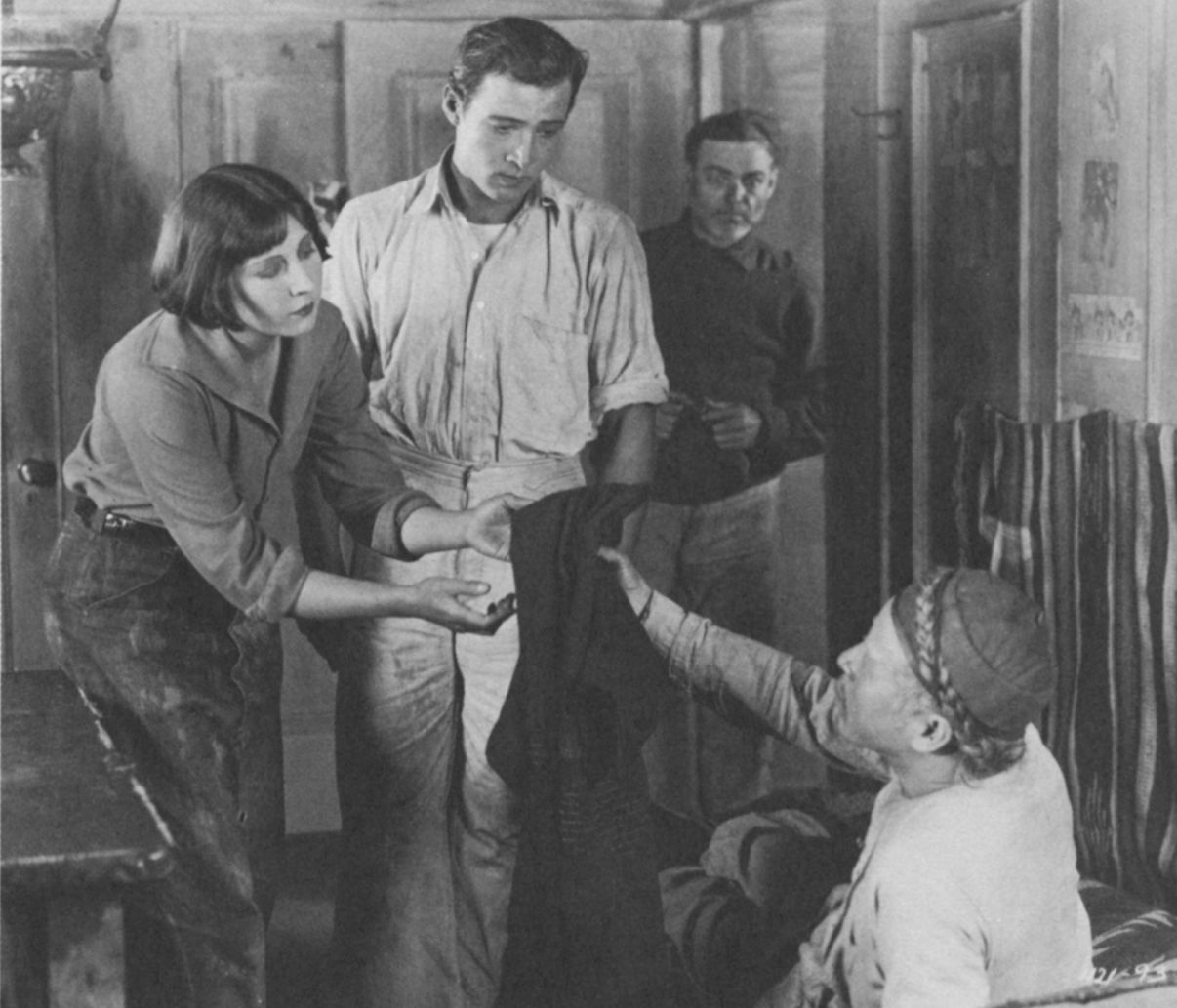
In 1922, Rudolph Valentino had already played a gangster and a Latin seducer (more than once), a love slave to Alla Nazimova (Camille), and a desert prince summoning the spectres of ethnic contamination and sexual submission (The Sheik). He has already met both June Mathis, the screenwriter who turned him into a star with The Four Horsemen of the Apocalypse, and Natacha Rambova, the art designer who reshaped his screen persona and would later, as his wife, nearly derail his career. Two women, powerful in different ways, preside over the making of a myth to which female audiences will give an almost delirious inflection: “After all, only a woman knows what women really like,” Rambova declared with selfaware irony. Valentino, the young man who arrived in Hollywood from Castellaneta via the dance palaces of New York, adapts his photogenic presence to a rapid and impetuous succession of roles indebted to second-rate literature, creating outstanding archetypes of romantic imagination and masks of erotic desire. Meanwhile, his body is becoming “a site of contestation over the meaning of virility” (Miriam Hansen), and Moran of the Lady Letty is, in this sense, a crucial text. Valentino plays a bored young yachtsman, enclosed within a gynaeceum of adoring gazes, who is the exclusive object of a female desire – which he carefully refrains from satisfying. Chance hurls him into a ship’s crew; a literal undressing follows, and an initiation into the rough life at sea. “Rudy” emerges in triumph: the undershirt, the slanted beret, the square jaw. He has never been so handsome, nor such a clear icon of Italian virility. And yet, the sailors call him Lily of the Valley (he silences them with his fists), and he enacts a romance with a girl who behaves and dresses like a man (she slips into a skirt to receive the final kiss). We are fully within the vortex of projective and defensive reactions that will accompany both Valentino’s life and his cult. Moran, if not his finest film (though I would place it among the top three), is the most limpid and modern attempt to master that vortex, keeping the balance between integration into the Hollywood system and the detours of ambiguity.
Paola Cristalli
