Film notes
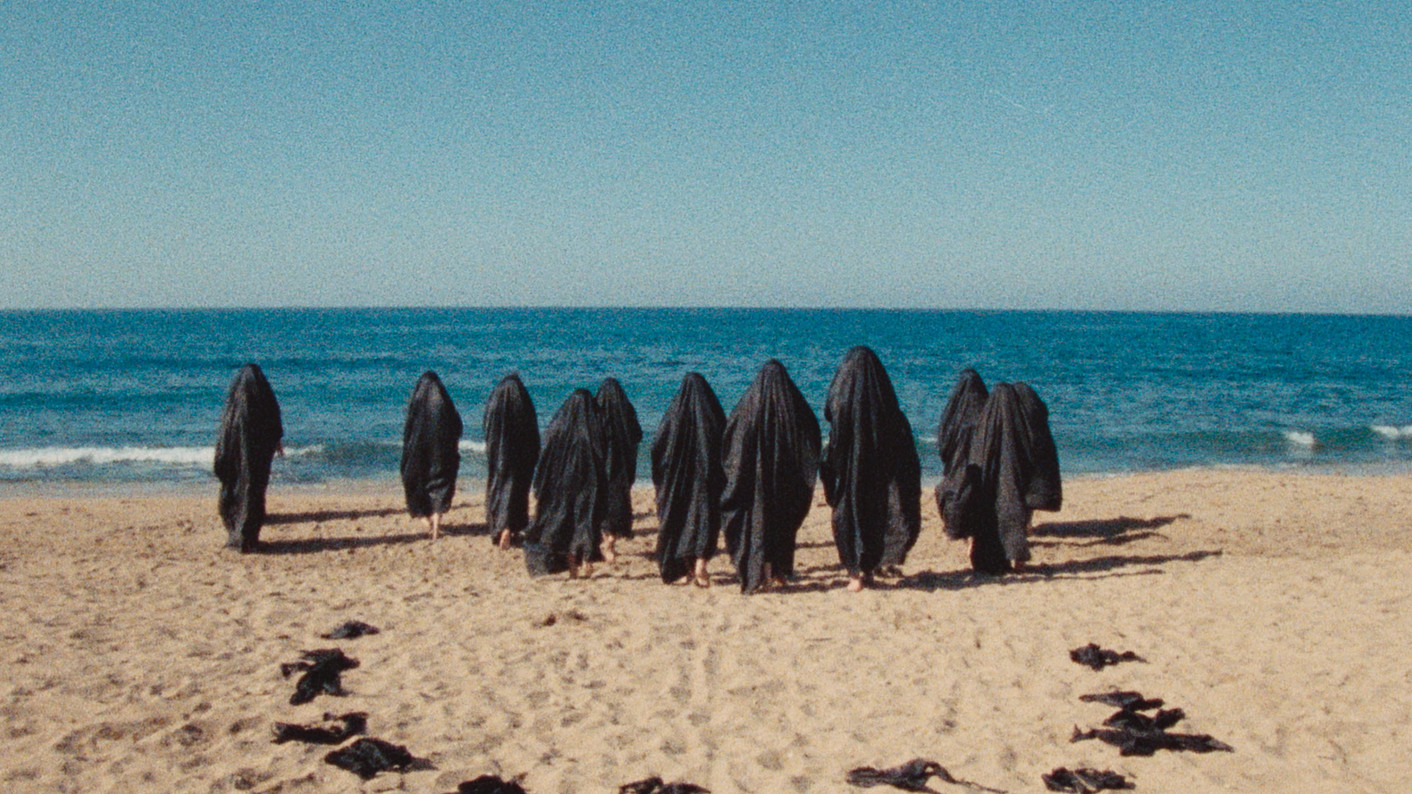
Weaving together memory, myth and archival materials, Layla wa zi’ab is a significant point of intersection between the militant and anti-colonial cinema of the pioneers of Tercer Cine and feminist historiography. Ignored and forgotten, the role of Arab women in the Middle East’s political history is illuminated here for the first time and is the focus of the film. The project was made all the more ambitious by the fact that Heiny Srour does not limit her examination to a specific historical period but captures sixty years of conflict. Using narrative structure of the “mosaic”, a common device in oriental stories, Leila travels through time: from the British Mandate of Palestine to the Israeli invasion of Lebanon in 1982, participating in the insurrections of the 1920s, the revolution of 1936-1939 – during which women organized a wedding to transport weapons – and the massacre of the Palestinian village of Deir-Yassin…
“I wrote the scenario in three weeks and in a kind of trance… The reason is that Tahar Cheriaa yelled at me, saying: ‘You haven’t made a film in ten years! There’s a script competition at the Agence de Coopération Culturelle et Technique (ACCT) and I haven’t received anything from you…’ Tahar Cheriaa had played a central role in completing The Hour of Liberation – a film he adored.
… I absolutely wanted to send him a scenario worthy of the man who had been a father to all of us young Arab and African filmmakers of the Tricontinental era. When I read it after I had sent it, I thought the committee would take me for a madwoman, as ACCT usually awarded prizes to well-crafted, neorealist scenarios. Mine was the opposite, avant-garde in content and form.”
Acclaimed by critics for its originality and the talent of its director, Layla wa zi’ab was distributed worldwide but censored in most Arab countries. Thanks to this new restoration we rediscover a work of great complexity, which even in its most imperfect moments speaks beyond its, albeit fundamental, feminist message.
Cecilia Cenciarelli