
Film notes
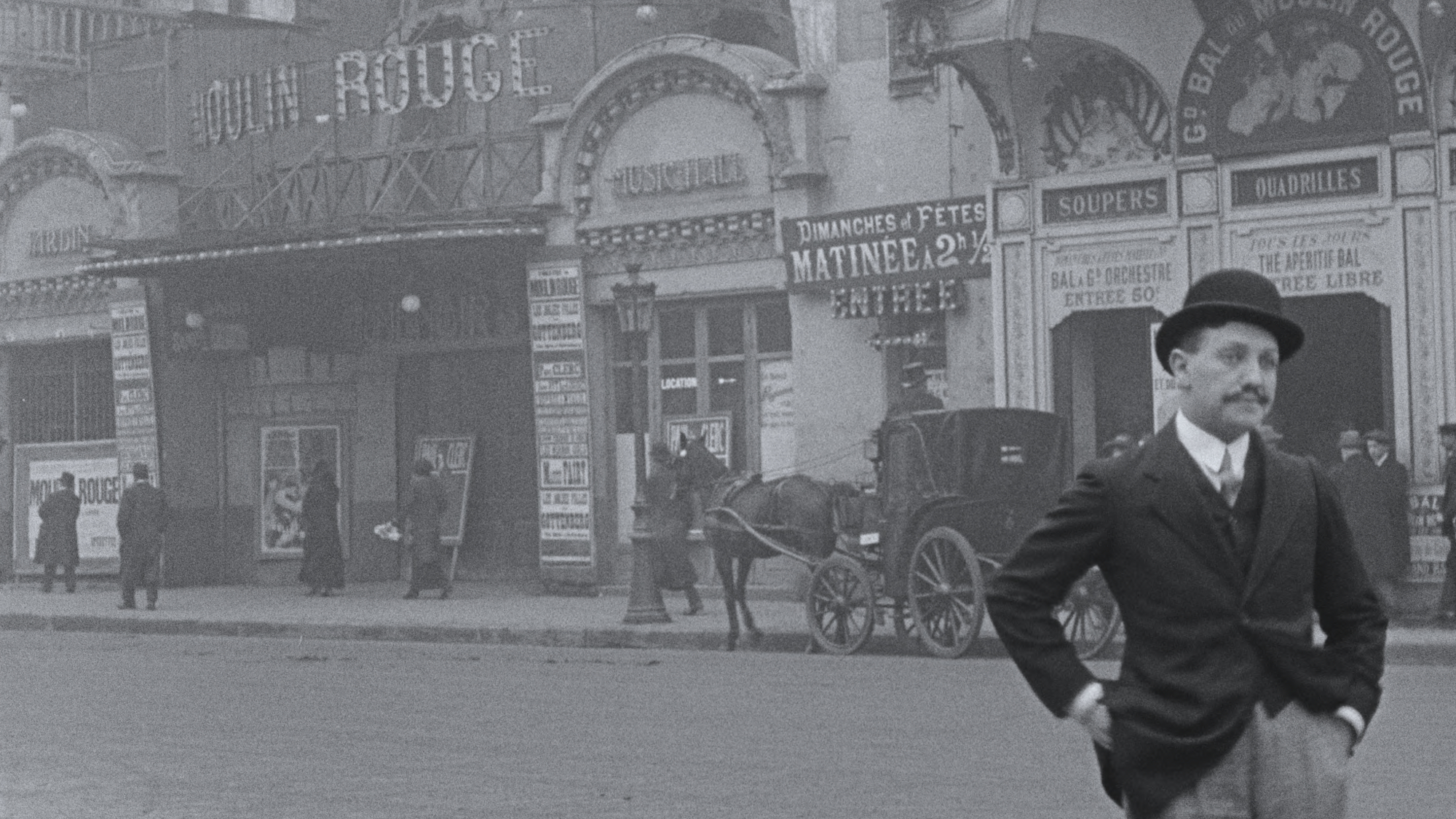
Inspired by Alphonse Daudet’s eponymous novel, Albert Capellani’s film – in which he makes a brief appearance – simplifies the story and adds a moral dimension. Made after Les Misérables, Le Nabab is more aligned with Zecca and Leprince’s series Scènes de la vie moderne. Jeansoulet, played by Léon Bernard of the Comédie-Française, becomes the protector of the family order. Certainly it is an adaptation of a classic, yet it possesses its own moral and its own Manichaean duality: the good vs. the bad son, the city vs. the countryside. Thanks to excellent location scouting, the story features numerous outdoor settings. Denis Dupont designates at least ten filming sites, including the port of Le Havre and the Romainville quarry. Filming on location is not brand new, but in this case the settings greatly contribute to the development of the narrative, as do the characters from different social classes, professions and nationalities (for example, the march of the miners). Rather than using camera movement, a single angle – or even two – gives depth to the setting, allowing a scene to unfold in its entirety. At the Moulin Rouge, for instance, several elements are captured in a single shot, and we understand the situation without having to follow the main protagonist. The abundance of details comes from the decorations and props but also from the attention paid to the ordinary, from the fishermen’s stalls to the deck of a boat. In Bologna in 2006, Pierre Rissient emphasised the connection between Capellani and Raoul Walsh and their use of wide-angle lenses. It was about showing the lavish sets but even more about making sure that the actors brought them to life. In this manner, the scenes, which can take their time to develop, find their own rhythm.
Stéphanie Salmon