
Film notes
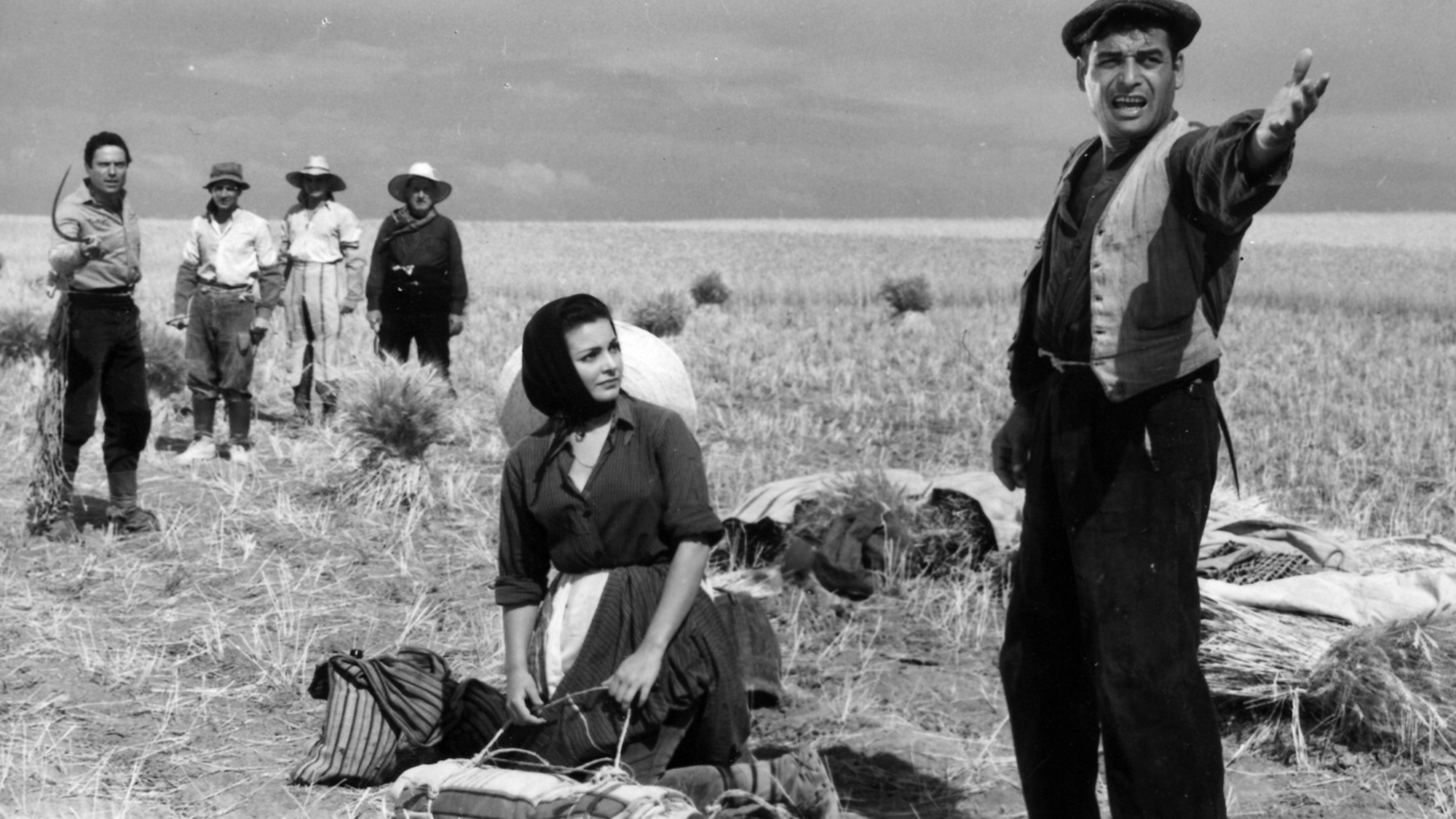
“The countryside is the whole reality of Spain,” Juan Antonio Bardem declared in a 1957 interview with Cinema Nuovo, explaining the setting and subject of his new film. True to his commitment to representing the material circumstances of society, in his first feature-length colour film he built a story around the conflict between the anti-communal values of rural tradition and the communist culture that championed the unity of the exploited. A short-sighted and insular censorship sought to shield the dictatorship from the film’s political message by requiring the plot to be set in the pre-Francoist past. But La venganza goes much further. It speaks literally of another universe of principles, bending the forms of melodrama to transform them into a horizon of hope. There is no doubt that the portrait of the harvesters labouring across the vast rural expanses of Castile was intended to represent the living conditions and mentality of this particular social world, but also to transcend them, aided by the powerful performances of exceptional actors. Carmen Sevilla, in particular, demonstrates here for the first time her dramatic gifts, until then wholly unexplored. This capacity to operate both inside and outside his own historical and social context not only served to expose the ridiculous – though no less obscene – workings of censorship, but also earned the film an equally significant international recognition: it was the first Spanish (co-)production in history to be nominated for the Academy Award for Best Foreign Language Film.
Valeria Camporesi