
Film notes
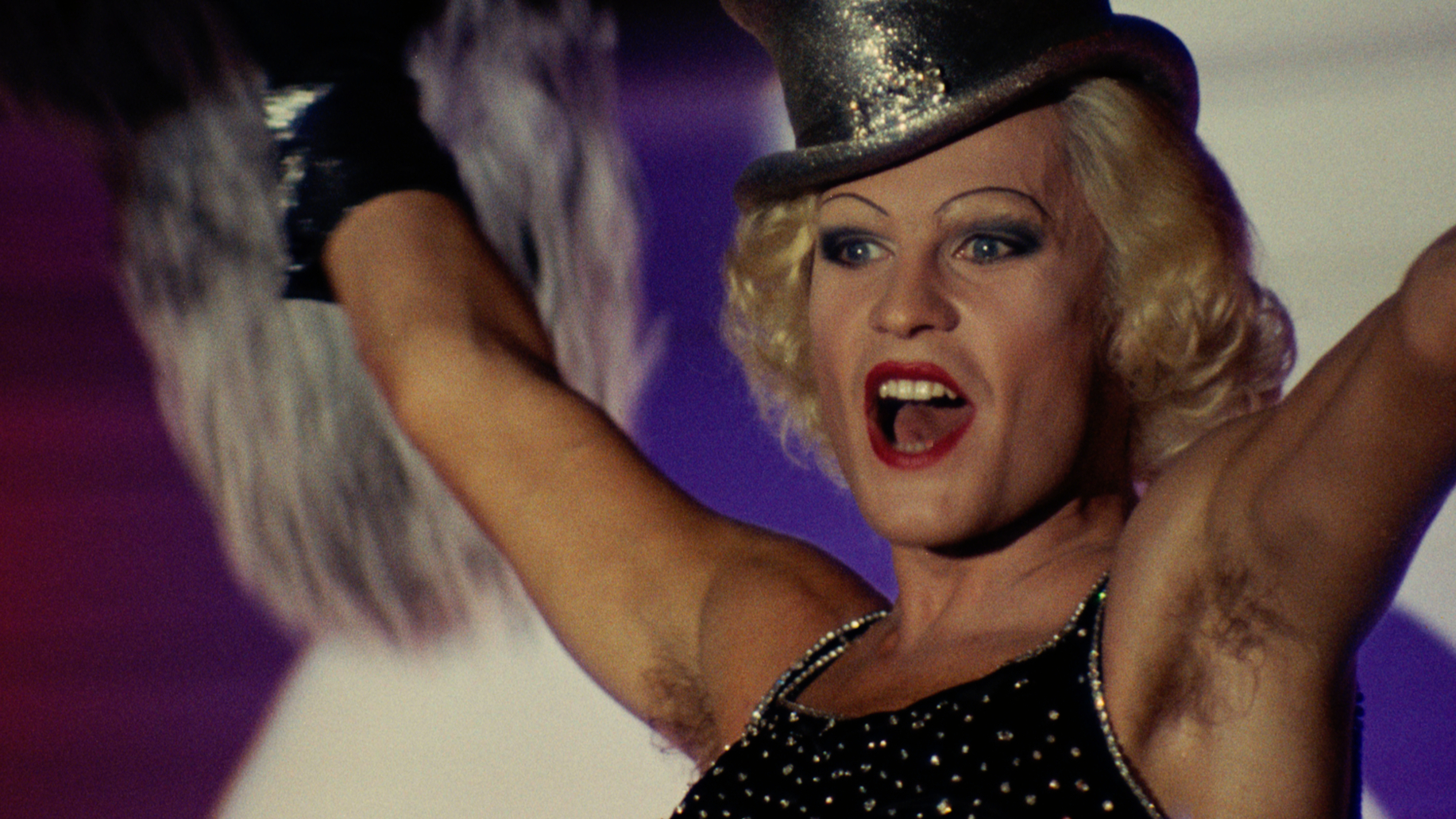
La caduta degli dei was inspired by Buddenbrooks. But, like all Visconti’s films, it is a complex alloy of literary influences: Shakespeare, Dostoyevsky, Sartre’s Altona. It is dominated, however, by specifically German factors … The film is, of course, a fable about Nazism, but it can also be taken, like Macbeth, “for a legend, a fiction of a dim and distant era”. It is also a Marxist fable that reiterates an anti-capitalist credo: “I think that of all the interpretations of Fascism, the truest is the one that views it as the final phase of world capitalism, the final consequence of the class struggle taken to its final extreme, that a monstrosity like Nazism and Fascism can only naturally precede a change to Socialism.” Visconti’s principal obsessions, however, can be glimpsed in this film’s violently expressionistic and tormented style, which owes more to fantasy than to historical objectivity or any ideological rationale. The characters’ ordeals of conscience, the quotations of a style Visconti had hitherto avoided but whose morbid rhetoric he now exploited, the use of grotesque and poignant parody – Martin’s vulgar exhibition, the grim caricature of the marriage – all reflect the artist’s anguish, here enormously magnified, over what he saw as the proliferating evidences of corruption, “putrefaction” and death. Visconti intended this film as a monstrous symphony, a nightmare in which he “tried to mark out how far you can go before you reach Sodom and Gomorrah, buried under the ashes”; to do this he accumulated, ad nauseam, instances of violence, unpunished crime and the whole gamut of sexual perversion. The film blossomed, then, as much in the shade of Dostoyevsky and Freud as in the light of Marx. It is the inverted mirror image of Il Gattopardo: the family disintegrates, the young liquidate the old, “personal morality is dead”.
Laurence Schifano, Luchino Visconti. The Flames of Passion, Collins, London 1990