
Film notes
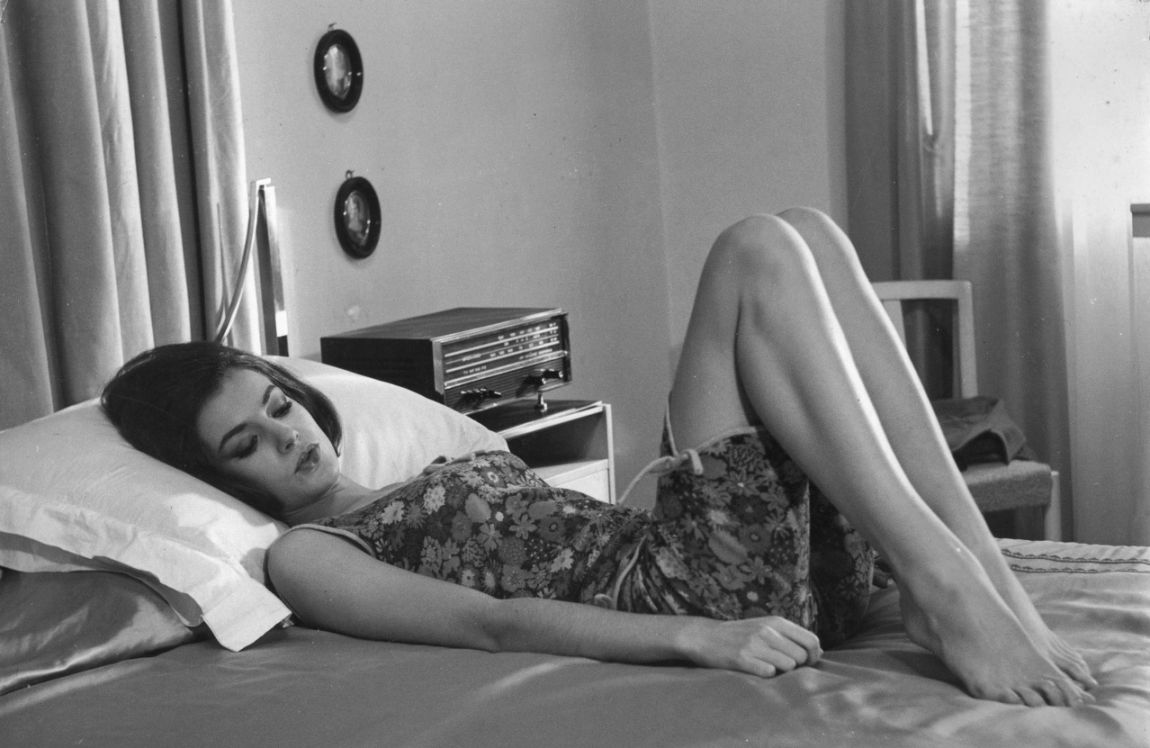
The commedia all’italiana began to die to the sound of little tunes, catchy refrains and whistled melodies. The point of dramatic collapse came with the Kessler twins’ twinned voices warbling, on an endless loop, the song Lasciati baciare, while Adriana, the heroine of Io la conoscevo bene, had already thrown herself off the balcony. Catherine Spaak had wanted to play Adriana, and today we can still watch her astonishing screen test, which suggests how she might have shaded the film differently – but Antonio Pietrangeli chose Stefania Sandrelli, and she gave her finest performance in one of the finest films in Italian cinema. In that same year, Catherine became La bugiarda, once again at the centre of sweet deceptions, now paced by an obsessive musical whistle. The screenplay by Comencini and Fondato reworked a play by the dramatist Diego Fabbri: whereas the liar written by the Catholic Fabbri had taken a sensual pleasure in deceit, in the simultaneous breaking of several commandments, Silvana is a lively little butterfly who “cares for both of them” and has no intention of giving either one up. The beautiful, very tight close-up of a confession scene introduces a note of disquiet (a Buñuelian rupture?), promptly restored to order by the comic readjustment of the skullcap and the heavenward glance of a stock-priest. Yet this is the mid-1960s and, as our Goffredo Fofi would write, with “the restraints of clerical censorship finally broken”, one can now make ironic use of the Vatican, its hypocrisies and ridiculous pomp – here resting on the shoulders of Enrico Maria Salerno, mature lover and ‘waiter to the Pope’. The film’s best idea, and its finest variation on the original text, is that the liar is an air hostess, a freshly minted Italian erotic myth (Catherine remains buttoned-up; it is her roommate who displays black lingerie beneath the uniform). In fact, she has never flown at all. This is the film’s melancholic punctum, the sweet and slightly sad deception she reserves for herself, the image of an emptiness crowded by a ménage à trois – or perhaps à quatre. But Jules et Jim has nothing to do with it and, in the end, as a figurative image reminds us, it all comes down to cuckold’s horns.
Paola Cristalli