

Appointment description
It looked very different from the Statue of Liberty, but what did that matter? What was the good of having the statue without the liberty, the freedom to go where one chose if one was held back by one’s color? No, I preferred the Eiffel Tower, which made no promises.
Joséphine Baker
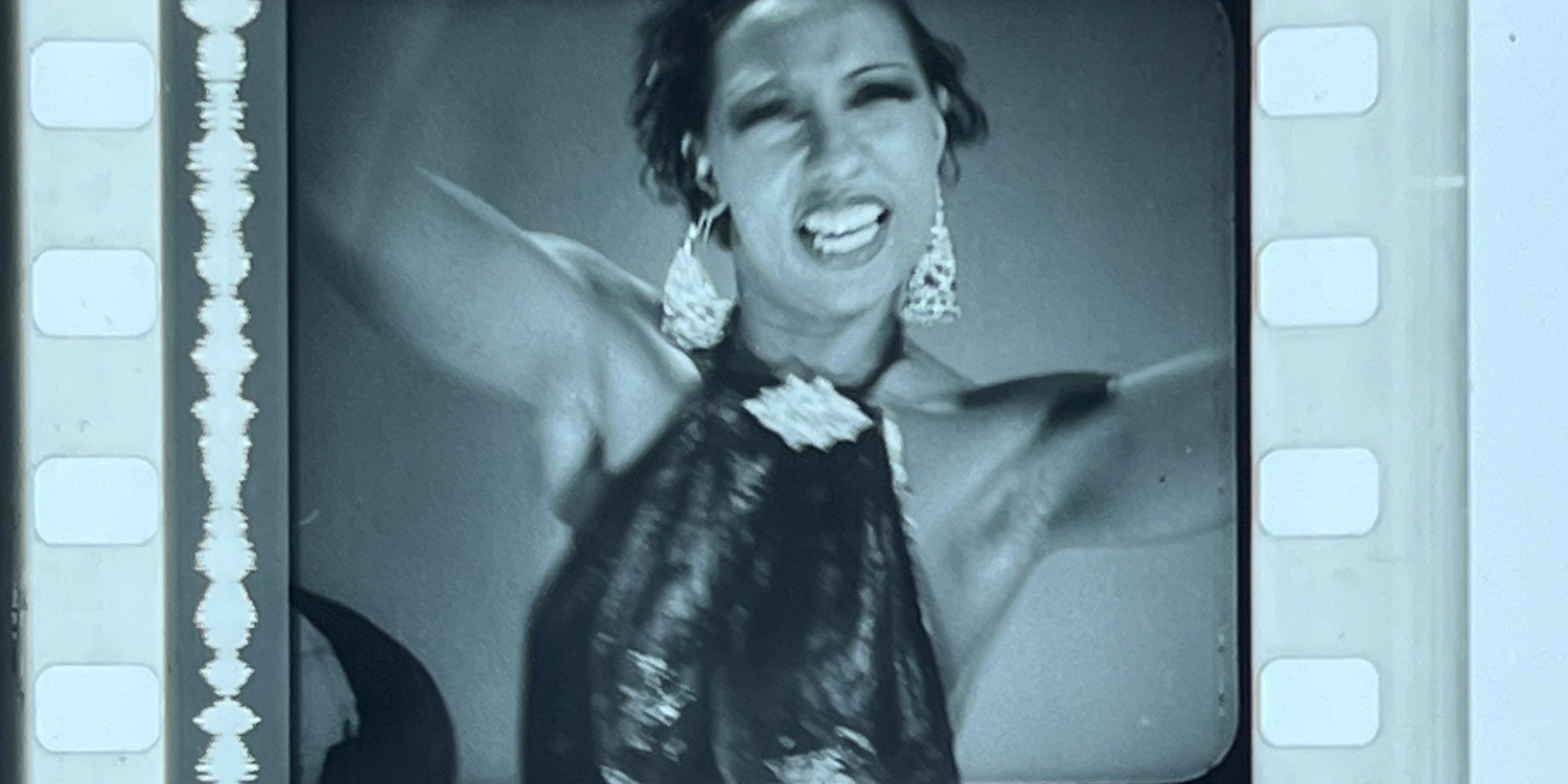
Alongside the Baker retrospective, the Cinema Lesson is an opportunity to reflect on her journey as a member of the Resistance and as an anti-racist activist, as well as on the questions and challenges raised by such a programme, especially when the films themselves fall short of its broader aims.Paris, in the 1920s and 1930s, was a major hub of Black creativity, bringing together African American, African, and Caribbean students, writers, and musicians, particularly from Martinique, Senegal, and the United States. The world of Joséphine Baker’s cabarets and nightclubs, located in neighbourhoods like Pigalle, was a world apart from Césaire and his comrades at the Sorbonne. Yet it converged in a quest for authenticity and a desire to represent people of colour with dignity. From the Roaring Twenties surrounding La Revue nègre (1925) to the March on Washington for Civil Rights (1963), via her involvement in the Resistance, the extraordinary life of Joséphine Baker – singer, dancer, and actress – earned her the recognition of the French Nation and a place in the Panthéon. We trace the roots of the woman who sang “Mon pays et Paris” and that Parisian who “finally has the face of a non-white woman”, the sources of her popular success, and her art of subverting and playing with clichés. What is her story, where does she come from, and where are we led to believe she comes from? Can we consider her career as an emancipated journey? In what ways do her film characters challenge the imaginations and the exotic, colonial white gaze of the era? What might her legacy be, whether in France or the US Revisiting Joséphine Baker’s dazzling and controversial career contextualizes the stakes of such a programme, racism is named on screen to help work toward its deconstruction and tracks down preconceived notions – because even if they have no basis in truth, in Baker’s case, they are the product of historical truth and a colonial legacy.
Émilie Cauquy