Film notes
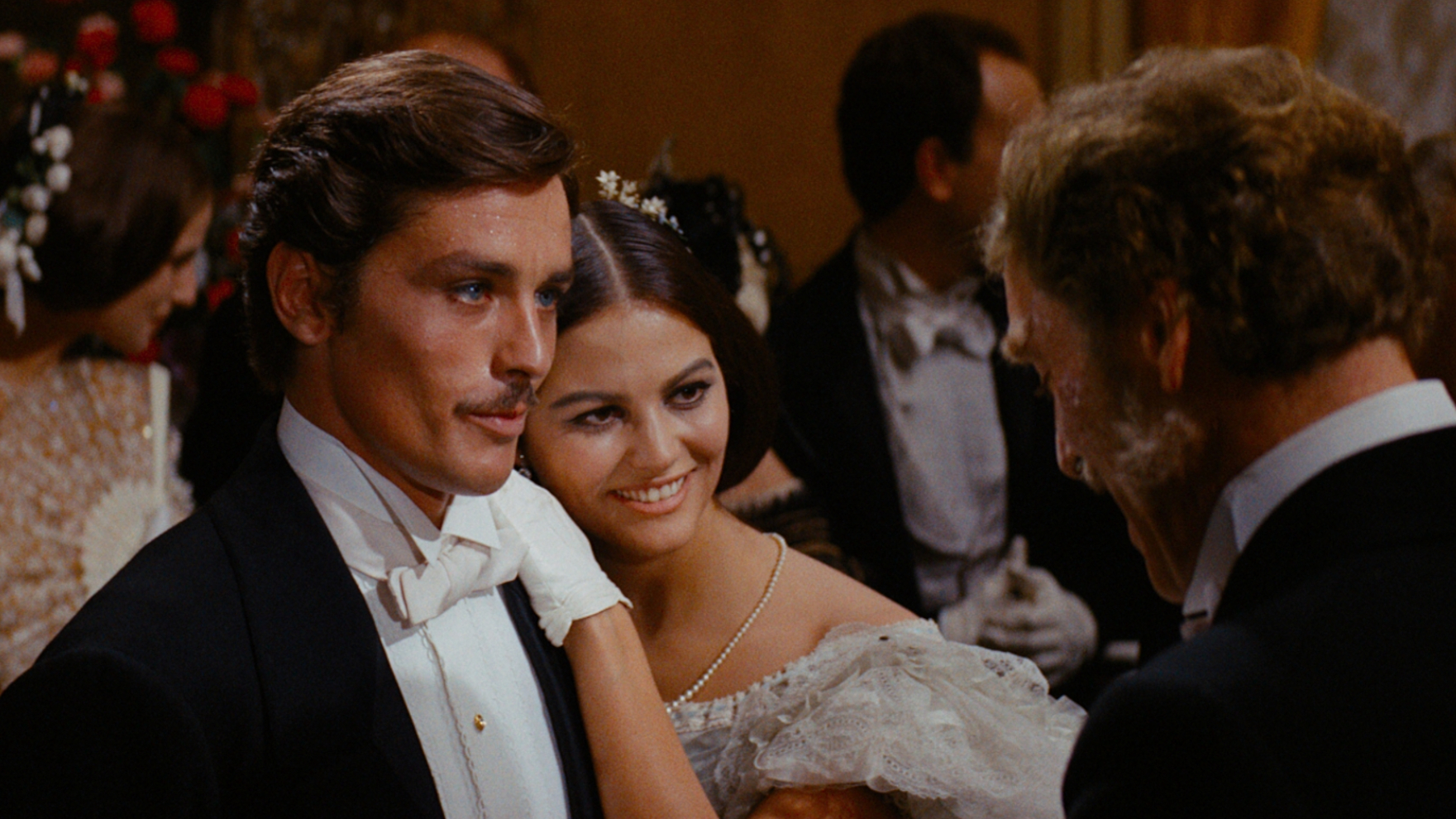
When the world around you is changing, when you have the sense that everything you know and love must give way to a new order, what do you do? Fight it? Accept it? And how do you accept it? Grudgingly? Gracefully? Maybe something in between. Because who can leave the world that formed them behind, and not mourn the passing of time? These questions, these sensations, are fundamental to the human condition, and they are behind every frame of Il Gattopardo, Luchino Visconti’s magnificent adaptation of Giuseppe di Lampedusa’s novel about a Sicilian prince at the time of the Risorgimento (the unification) who recognizes that his historical role, and that of his entire class, is to retreat into the shadows. Visconti, who was himself from one of the oldest aristocratic families in Europe, spent many years trying to adapt Proust to the screen. In a sense he succeeded with this stunning cinematic tapestry, in which every gesture, every word, and the arrangement of every object in every room summons a lost world back to life.
Il Gattopardo is an epic of time, and its slowness, which reaches a stately crescendo during the extended, climactic grand ball sequence, is set by the rhythm of life among the landed aristocrats of Sicily – their customs and habits, their observance of leisure and reflection, their seasonal journeys. It is also an epic of history, in which we actually see the machinations of change in progress, on the battlefield, in the streets, and in the drawing rooms where men of influence gathered to decide who will pull the levers of power. It is also a portrait of one man, the Prince of Salina, played by Burt Lancaster. At the time the picture was made, there were some people who questioned this particular casting choice, but once you’ve seen Il Gattopardo it becomes impossible to imagine anyone else as the Prince. Lancaster brought his strength and authority to the role, but he also brought his intelligence and his grace, and his sense of aristocratic refinement is uncanny. A remarkable, deeply moving performance. Finally, Il Gattopardo is a grand symphonic hymn to Sicily itself – the people, the perfumed air and the landscape, its beauty and its violence.
Martin Scorsese