Appointment description
The Poetry of the Everyday in the Early Shorts of Kiarostami
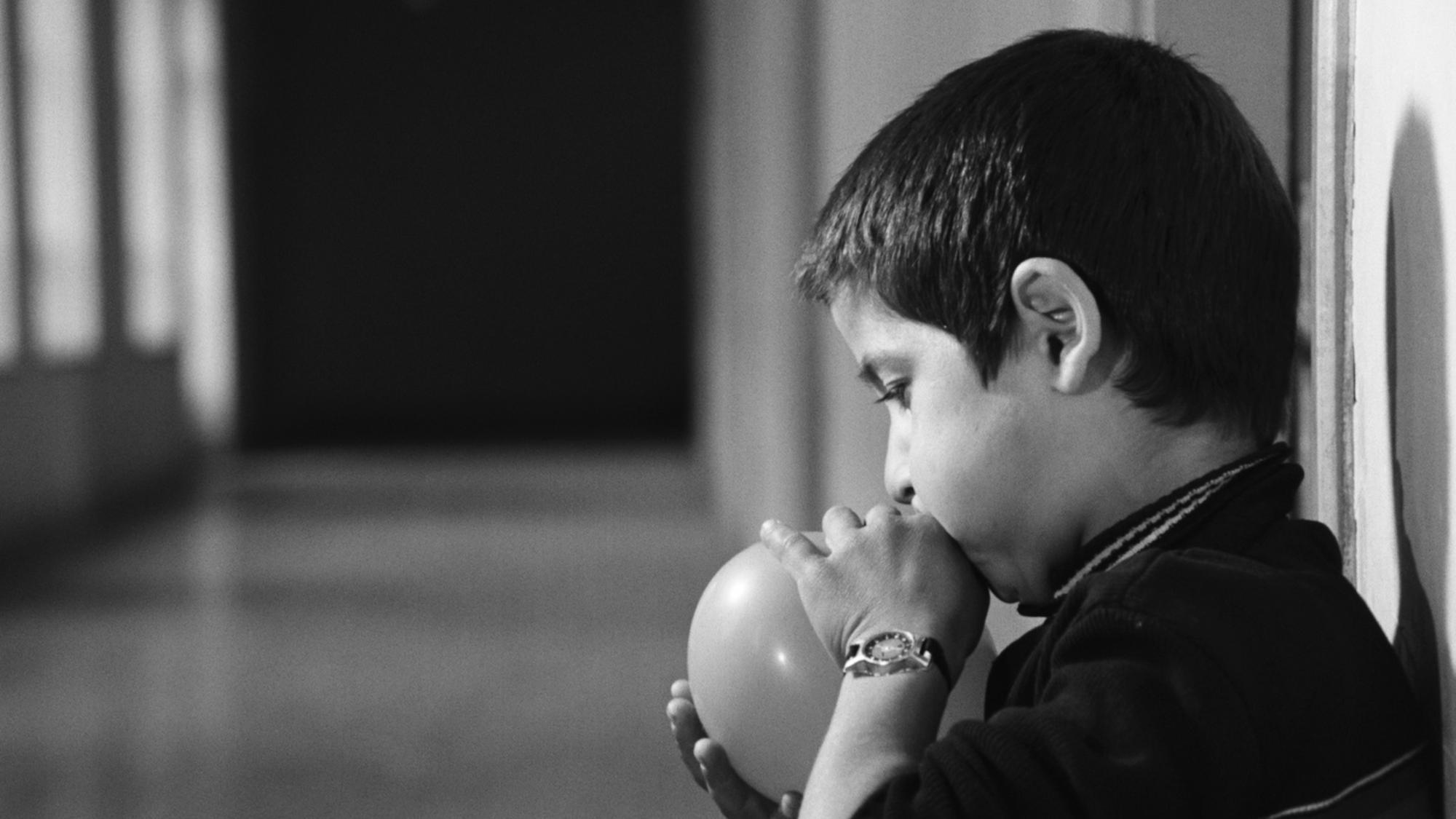
Long before he became one of the most celebrated artists in world cinema, Abbas Kiarostami began his filmmaking career at the Institute for the Intellectual Development of Children and Young Adults in Iran (better known as Kanoon), where he honed his distinctive style and themes. Kiarostami’s cinema was not born in the studio, but in school playgrounds and alleyways, surrounded by children’s games. Shifting seamlessly between documentary, fiction, and even animation, he transitioned from joyful shorts for children to subtle works exploring the difficulties of adolescence. Often using classrooms as his workshop, he investigated the social and political tensions of Iranian society in the turbulent years before and after the 1979 revolution. From his very first short work The Bread and Alley (“the mother of all my films”), Kiarostami found moments of deep poetry in everyday life and made use of simple premises to express universal truths about the human condition.
Nan va Koucheh (The Bread and Alley, Iran/1970) R.: Abbas Kiarostami. D.: 10’
Zang-e Tafrih (Breaktime, Iran/1972) R.: Abbas Kiarostami. D.: 14’. V. originale con traduzione in oversound
Do Rahe-hal Bara-ye yek Mas’aleh (Two Solutions for One Problem, Iran/1975)
R.: Abbas Kiarostami. D.: 5’
Hamsarayan (The Chorus, Iran/1982) R.: Abbas Kiarostami. D.: 17’. V. originale con traduzione in oversound
From 8 years