
Film notes
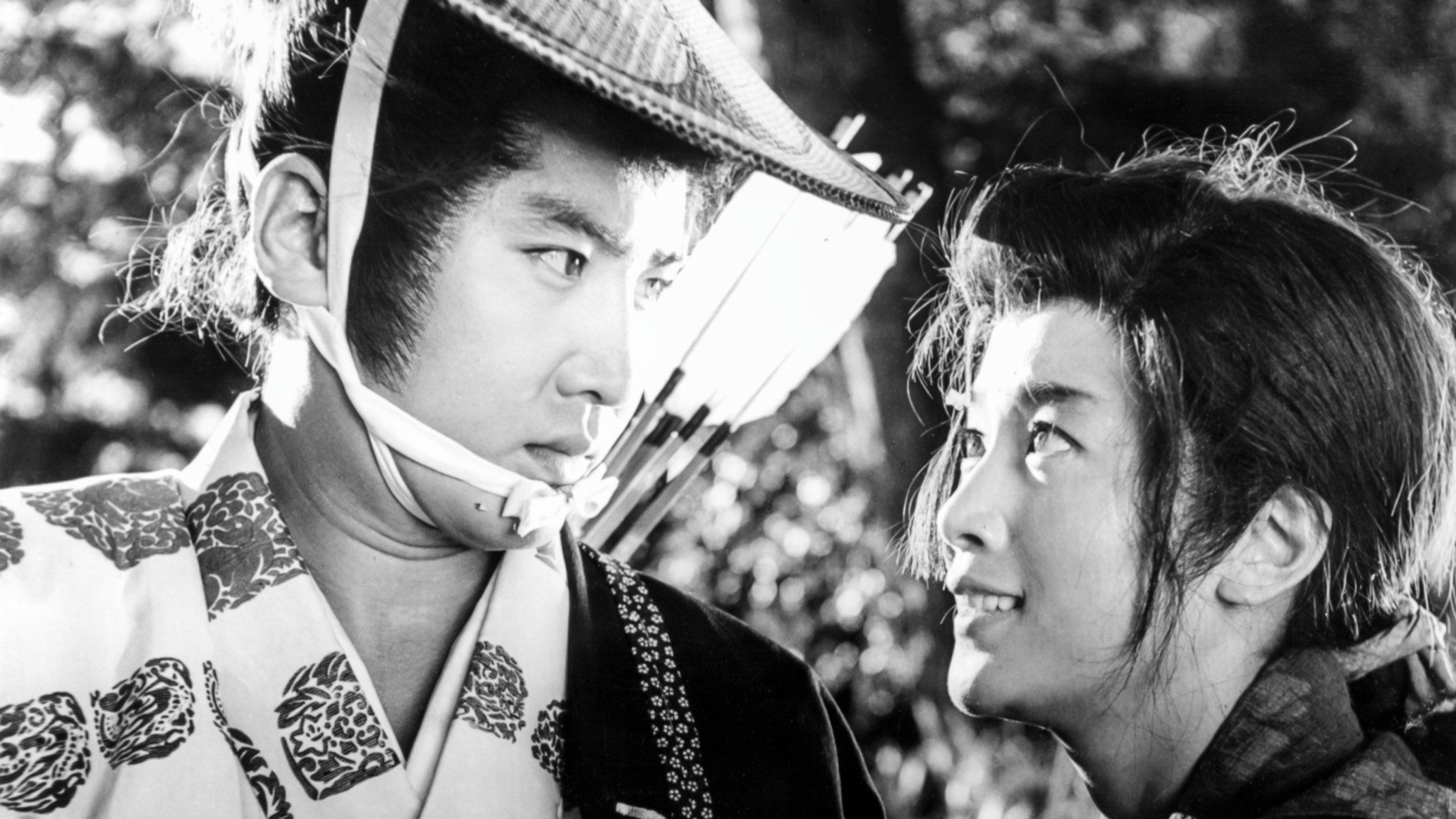
Hangyakuji was made for Toei, Japan’s most populist and popular studio, then at the height of its productivity; in 1961, it released a total of 167 films – about a third of all the films released that year in Japan, and a record for annual production by a single film studio anywhere in the world. Of these, over half were period films (jidai-geki). While many, perhaps inevitably giving the numbers involved, were routine fare, a number of distinguished directors produced outstanding films at Toei. Ito’s film, based on a historical novel by Jiro Osaragi, dramatises the life and fate of Nobuyasu Matsudaira (1559-79), eldest son of the future Shogun Ieyasu, who became a casualty of the power struggles of the Era of Warring States and the interpersonal tensions within his family. This almost Shakespearean drama depicts the rivalry between Nobuyasu’s wife and his mother, which escalated with tragic consequences. Ito had nurtured the project for nearly a decade, since a planned film about Ieyasu fell through after a change of management at Shochiku. Toei agreed to produce the film as long as the focus was on a younger protagonist, a demand that suited Ito, who was interested in the character of Nobuyasu. Here he is played by Kinnosuke Nakamura (1932-1997), in an unusually serious role for the star of innumerable light-hearted, stylish and sentimental Toei jidai-geki. The hard-hearted screen persona of Haruko Sugimura (1906-1997) is ideal for the role of his formidable mother. “Kinema Junpo” critic Sadayoshi Fukuda hailed the film for its “scrupulous propriety” and for avoiding a schematic treatment via the “exceptional clarity” with which the main characters were delineated. “A work with this degree of classical tragic atmosphere,” he concluded, “is rare nowadays.” Similarly, critic Akira Shimizu writes that “The psychological excavations are lucid and precise; one feels keenly and painfully the existence of what might be called the ‘wall of the age’ – something that no individual will or talent can breach. It stands as a deeply felt masterwork by Daisuke Ito, overflowing with tragic grandeur.”
Alexander Jacoby e Johan Nordström