

Film notes
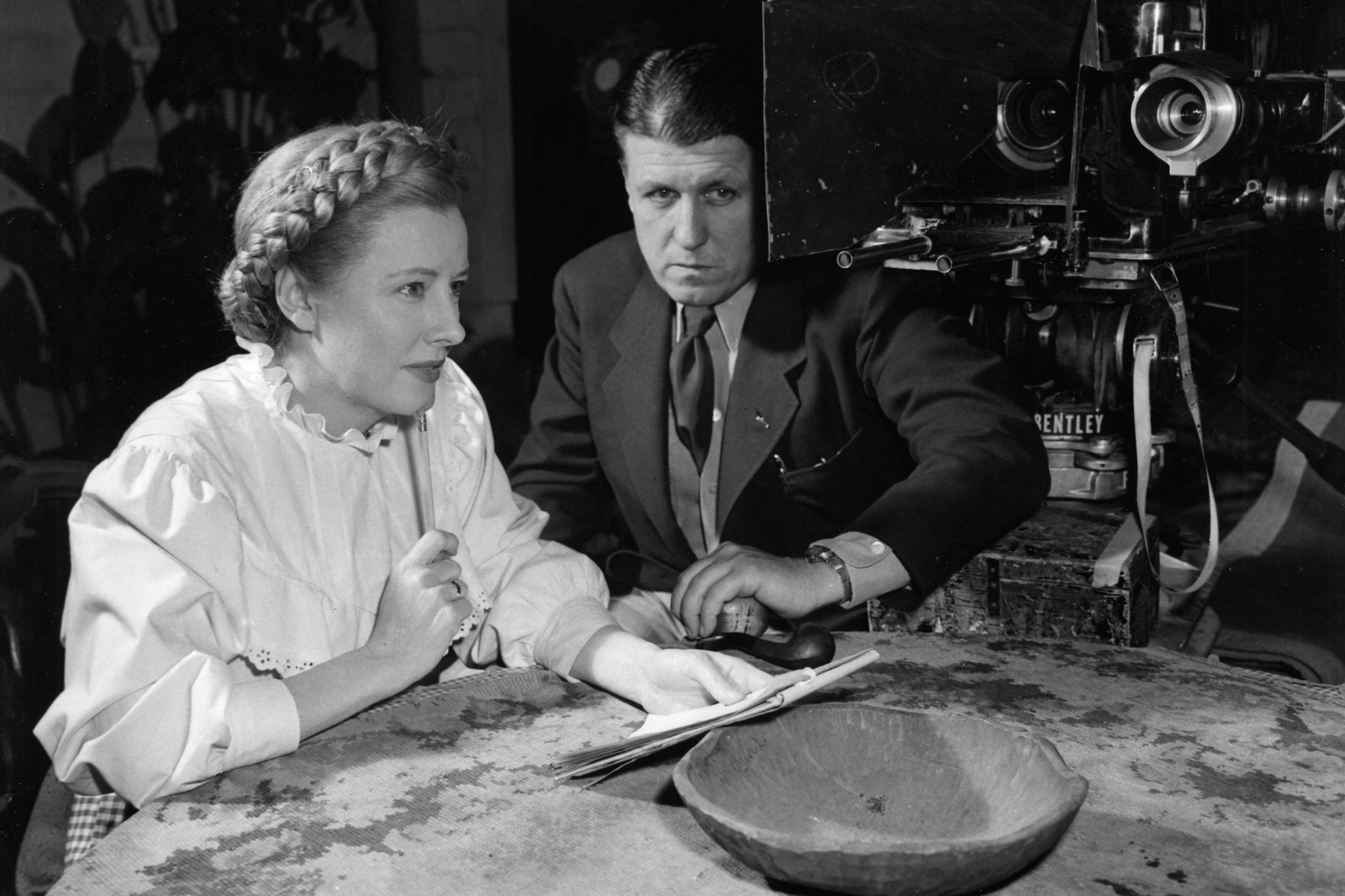
One of the finest portraits of a Hollywood director on film, this is an essential accompaniment to any study and appreciation of George Stevens’s cinema. Introspectively narrated, it reminds the viewer of the great days of documentaries on film, when you could actually examine the movie clips without the interference of any extraneous ‘fair use’ commentary or the rapid intercutting of talking heads assaulting the integrity of the scenes discussed. In fact, the meticulous and unhurried pace of this father-son documentary project shares similarities with George Stevens’s own style. The journey begins with Alice Adams. A flashback lists some of the key roles undertaken by Stevens prior to his breakthrough feature, including his work as a cameraman on Laurel & Hardy comedies. The film then follows the course of his career in a more or less chronological way, conveying a sense of how a perfectionist directed his films, mostly through interviews with an array of American cinema’s greats, including the then-nonagenarian Hal Roach, the RKO producer Pandro S. Berman, and fellow director Rouben Mamoulian, who speaks of how Stevens’s films aspire to the condition of music in their time-sensitive proportion of movements. Warren Beatty talks about the unconventionality and expressiveness of sound in Stevens’s films and the way it inspired the makers of Bonnie and Clyde. The blacklist episode involving the confrontation with Cecil B. DeMille is brought back to life through the testimonies of Fred Zinnemann and Joseph Mankiewicz. The film convinces the viewer that each of the personal projects Stevens worked on after the war served as a reaffirmation of an inner truth that the director believed in. In that sense his penultimate film, The Greatest Story Ever Told (of which there is some great behind-the-scenes footage here), flawed as it was, completed the circle of ‘humanity’ that kept its director preoccupied from the time of Laurel & Hardy to Jesus.
Ehsan Khoshbakht