Film notes
Gaston Velle: Pierrots, Poupées, Pantomime
This program is dedicated to Bryony Dixon and David Mayer
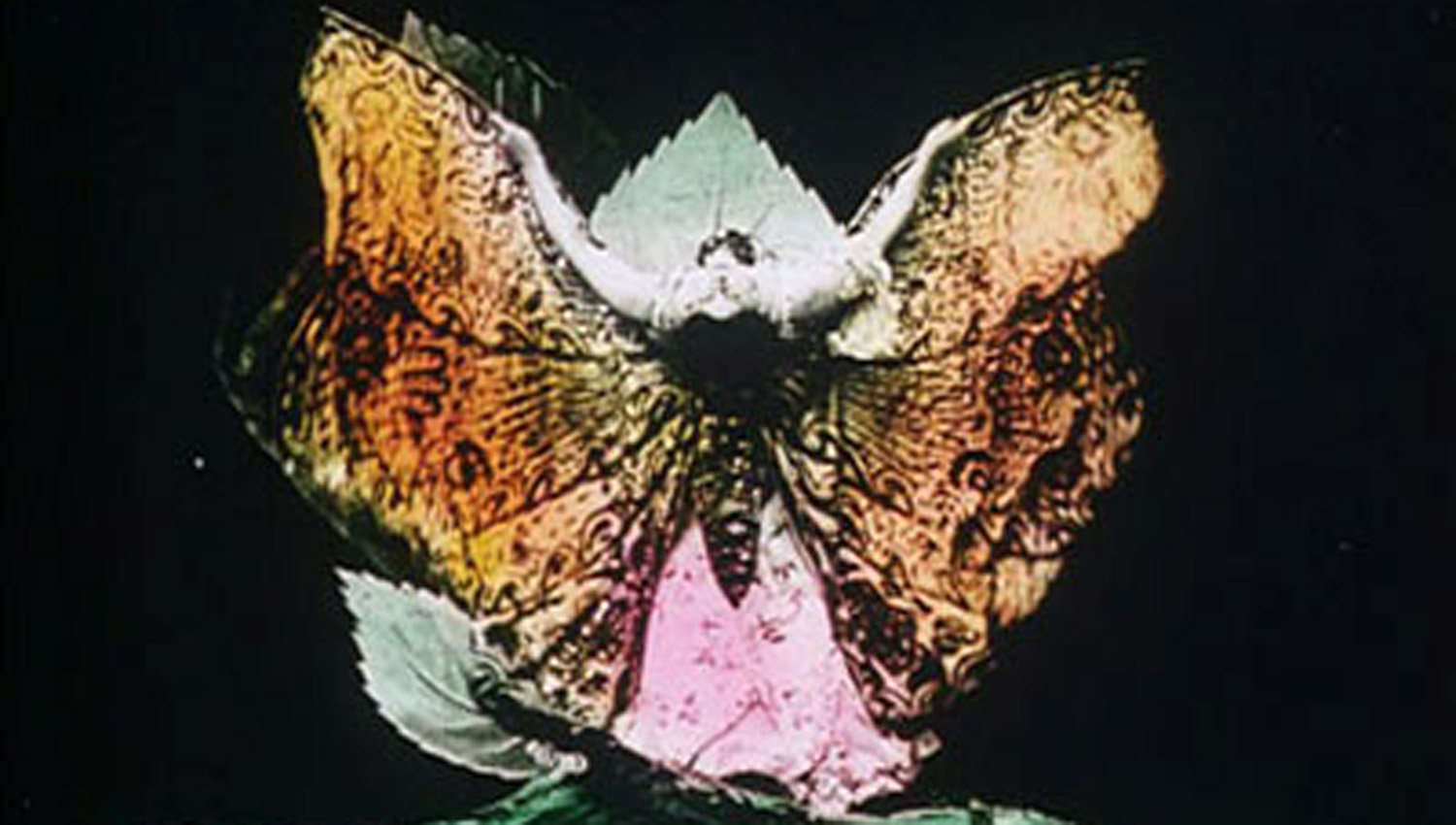
If early cinema weren’t (most of the time) beautiful and fascinating, it would still be invaluable as the documentation of nearly every imaginable subject matter. Take Pantomime and you find in Velle’s oeuvre two vues Lumière featuring the eternal triangle-trouble of Pierrot, Arlequin and Columbine (1902); an upper-level free dressage of a bicycle (1906); a fragment of Le avventure di Pulcinella (1907), one of the very few surviving films Velle made in Rome, where he helped to build up the fledgling Italian film industry; and, at the far end of his time as a filmmaker, the mime Séverin in Le Cauchemar de Pierrot (1911).
Séverin Cafferra (1863-1930), pupil of a pupil of the son of the legendary Debureau senior, is considered the last great French Pierrot (along with Georges Wague, the innovator, who appeares in Velle’s Rose d’or and much later coached Barrault for the rôle of Debureau in Les Enfants du Paradis). Séverin, tortured by jealousy, self-pity and murderous nightmares, is a fin-de-siècle creature; tradition ends when it turns sentimental. The riotous fun of Commedia dell’Arte, the mysterious shimmer emanating from Watteau’s satin-clad actors, are things of a vanished past.
Mariann Lewinsky