Film notes
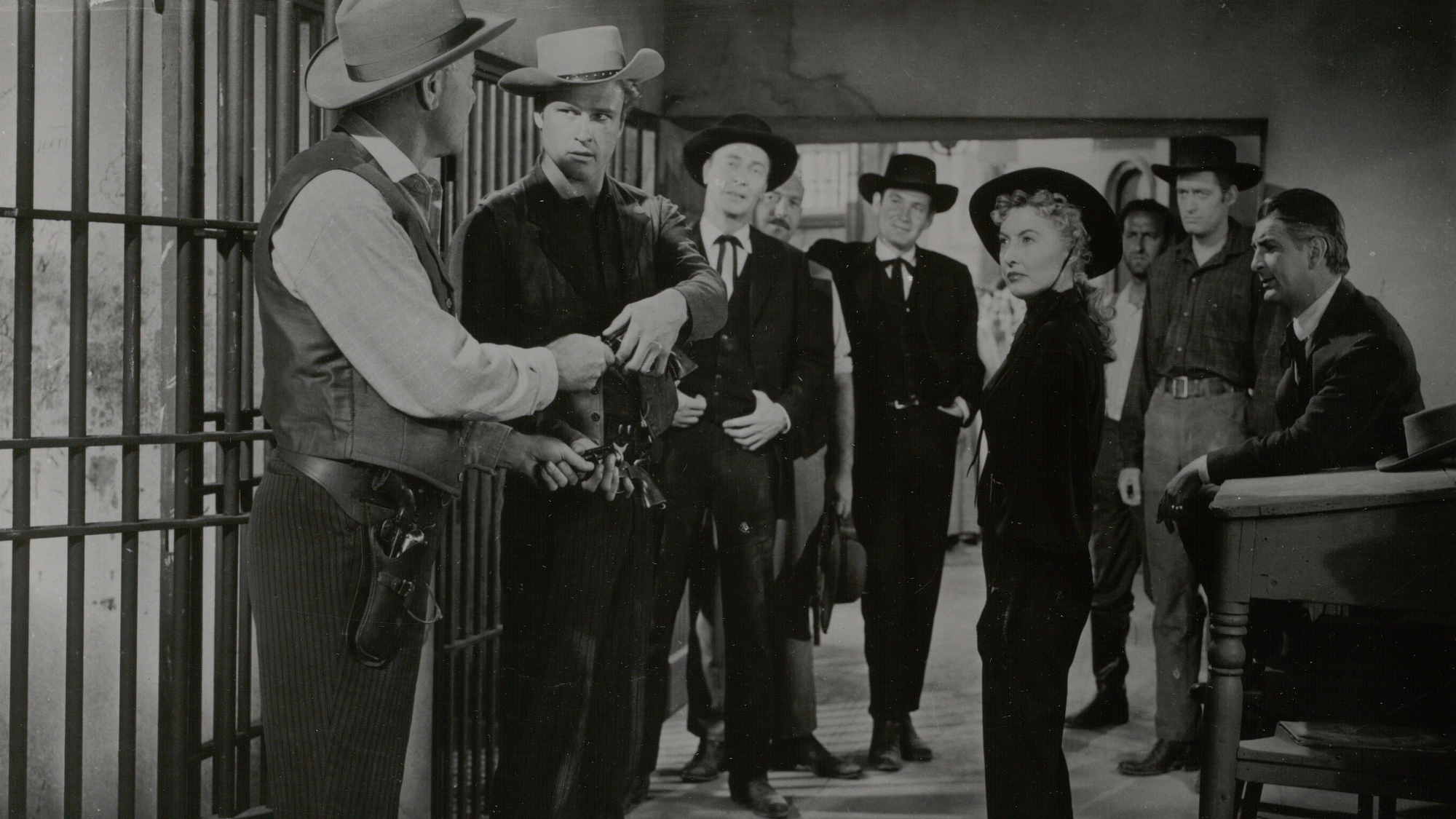
In the films of Fuller and other important directors of this period, such as Nicholas Ray, the cinematic image goes horizontal. The old vision of space, based around the scenic construction (because films were made in the studio), opens up to become a line of escape into which the characters and actions disappear. In this film Fuller even succeeds in making a spiral horizontal, by turning the barrel of a pointed rifle into a telescope. The changes that this film talks about are closely related to the new dimensions of the image. The spectator has a completely different perception of movement in the cinema for the sole reason that the screen now looks something like a windscreen. The heroes in Fuller’s westerns never ride horses. Instead they trundle across the plains hunched up on wagons in almost foetal positions. […] This film is a kind of negative version of the creation story, an anti-utopian genesis or the myth of a fall. The philosopher Gilles Deleuze claims that for a long time now American cinema has simply been making the same film over and over again, the film of the birth of a nation and a civilization. All this ends with Fuller. Forty Guns is a milestone.
Frieda Grafe, in Luce negli occhi, colori nella mente, Cineteca di Bologna/Le Mani 2002