Film notes
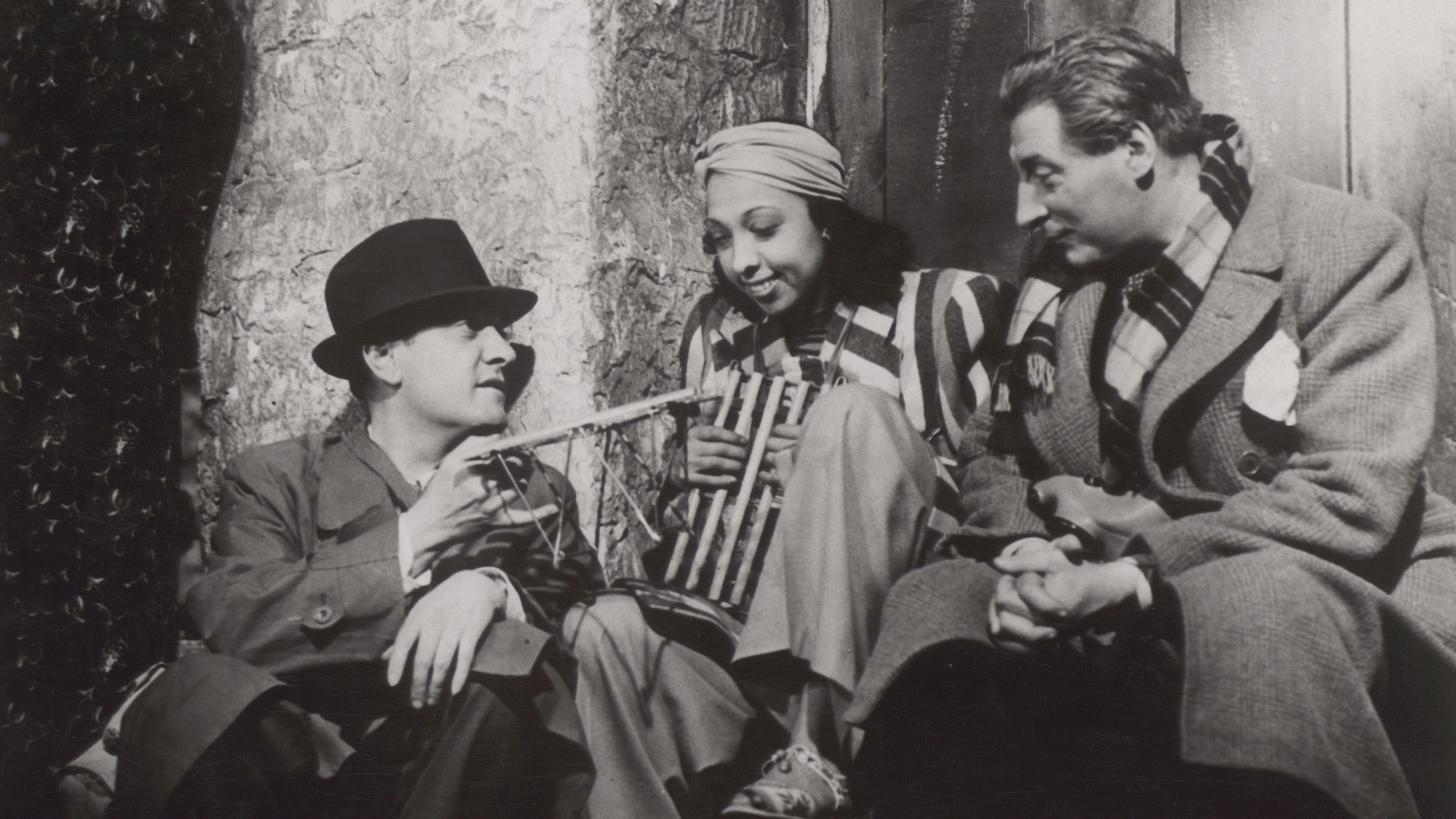
Joséphine Baker was officially granted French nationality in 1937, just in time to witness the Nazi occupation. In 1939, through her agent Daniel Marouani, she met Captain Jacques Abtey, an agent of French counter-intelligence. During the five years of war, Baker displayed remarkable courage, intuition and intelligence. She organised concerts to raise funds for the French army, worked with the Red Cross and from 1939 onward became a counter-espionage agent. After the fall of France, she joined the Free French secret service carrying out important missions by concealing confidential messages in her sheet music or in the lining of her coats, before risking her life to disseminate General de Gaulle’s propaganda. In 1940, she transformed her Château des Milandes into a clandestine hub where weapons, as well as refugees, could be hidden and protected. Drawing on her celebrity status and her extensive diplomatic network, she became a spy right at the heart of the Resistance – or as she liked to put it, an “honourable correspondent” – mainly in North Africa from 1941 onward, and Marseille in 1944. Following the Liberation, she was awarded virtually every military honour as she received the rank of second lieutenant in the women’s air force. Fausse alerte was filmed in 1940 but not released until 1945; the archives of French censorship offer no explanation for this delay. Was Baker’s character considered too wealthy and assertive, a “boss lady” night club owner whose skin colour and American accent were not questioned at all? Perhaps the jokes about the Maginot Line and the occupying forces proved problematic? Or was it the Mandel decree? In Paris, dances and dance halls are closed from day one of mobilisation; in May 1940, a national shut down was decreed, to be followed by curfew and the prohibition of all gatherings. Dancing would only resume after the Liberation. For Joséphine Baker – a committed anti-racist, the Black star of Free France, and the wife of a Jewish man – performing in the Parisian night clubs that remained open between 1940 and 1944 for German officers and collaborators was simply unthinkable.
Émilie Cauquy