

Film notes
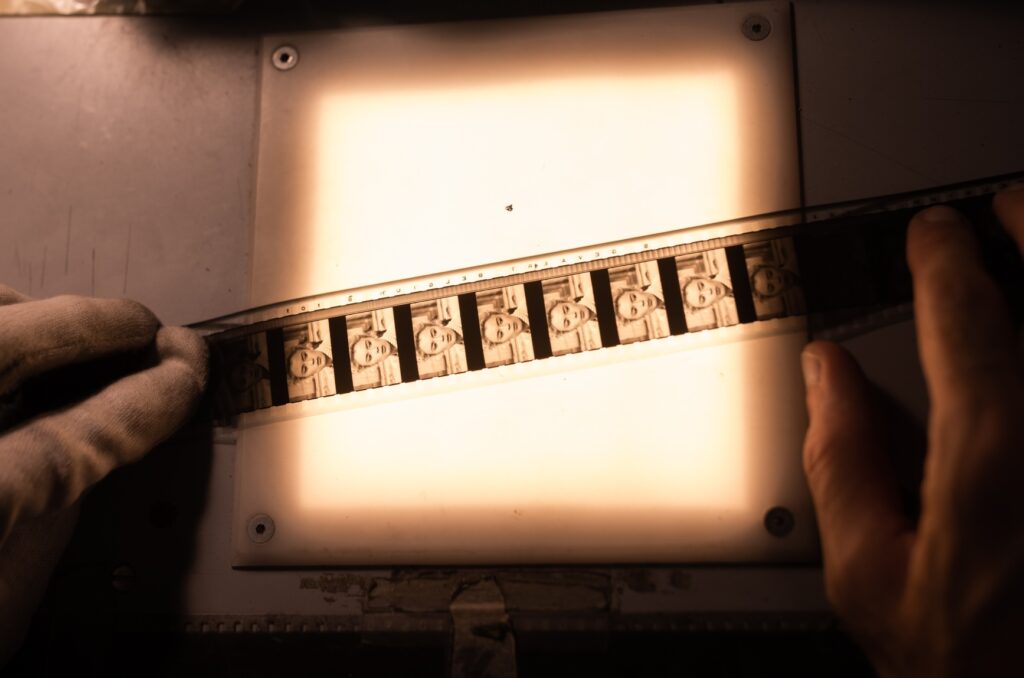
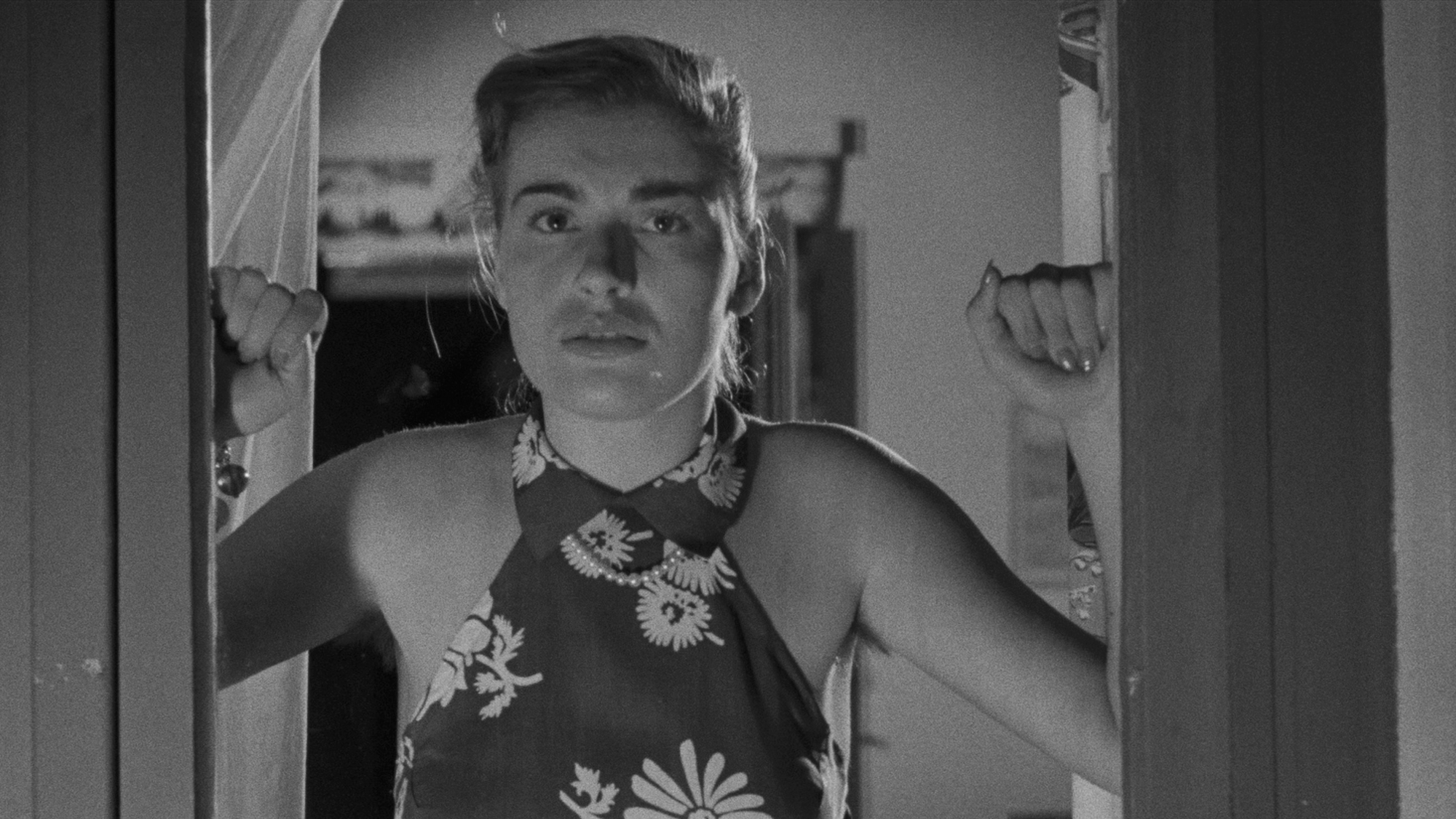
Maria Plyta (1915-2006), the first Greek female director, worked tirelessly for 20 years, leaving 17 films that remain obscure or are considered “subpar”. Her fourth film, Eva, not only challenges gender representations but also foreshadows European modernism. Set on an island near Athens during late August, the film follows Eva (Nina Sgouridou), a young woman trapped in a stagnant marriage. When she meets a young stranger (Alekos Alexandrakis) emerging from the sea, an affair begins. While the plot utilizes the love triangle trope, Plyta’s treatment is anything but conventional. Plyta foregoes melodramatic conventions; she captures Eva’s internal world through lingering shots, empty spaces, and a palpable sense of ennui and existential angst found, around the same time, in the work of Michelangelo Antonioni or the French New Wave. Eva is not a female object of desire but an active subject who initiates an illicit romance, while navigating a doomed marital life with radical defiance. The film’s production journey is marked by a tragic event that could itself become the subject of another film. During the last days of shooting, the film’s producer, Dimitris Kominis, along with an actress from the cast, were killed in a horrific accident caused by a forgotten German landmine. As the first and sole production of the Kominis Film, the film was deprived of the visionary partner who shared Plyta’s modernist ambitions. Following a five-year research project at Aristotle University in Thessaloniki, Plyta finally enters history. For decades, Eva and Plyta remained “unknown,” due to historiography’s gender bias and an entrenched culture. Twenty years after Plyta’s death, Eva’s restoration unveils the brilliance of a female director who dared to represent an autonomous woman in all her complexity, without any guilt or explanation.
Betty Kaklamanidou