Film notes
Metaphors of Vision: Childhood, Machines, Phobia
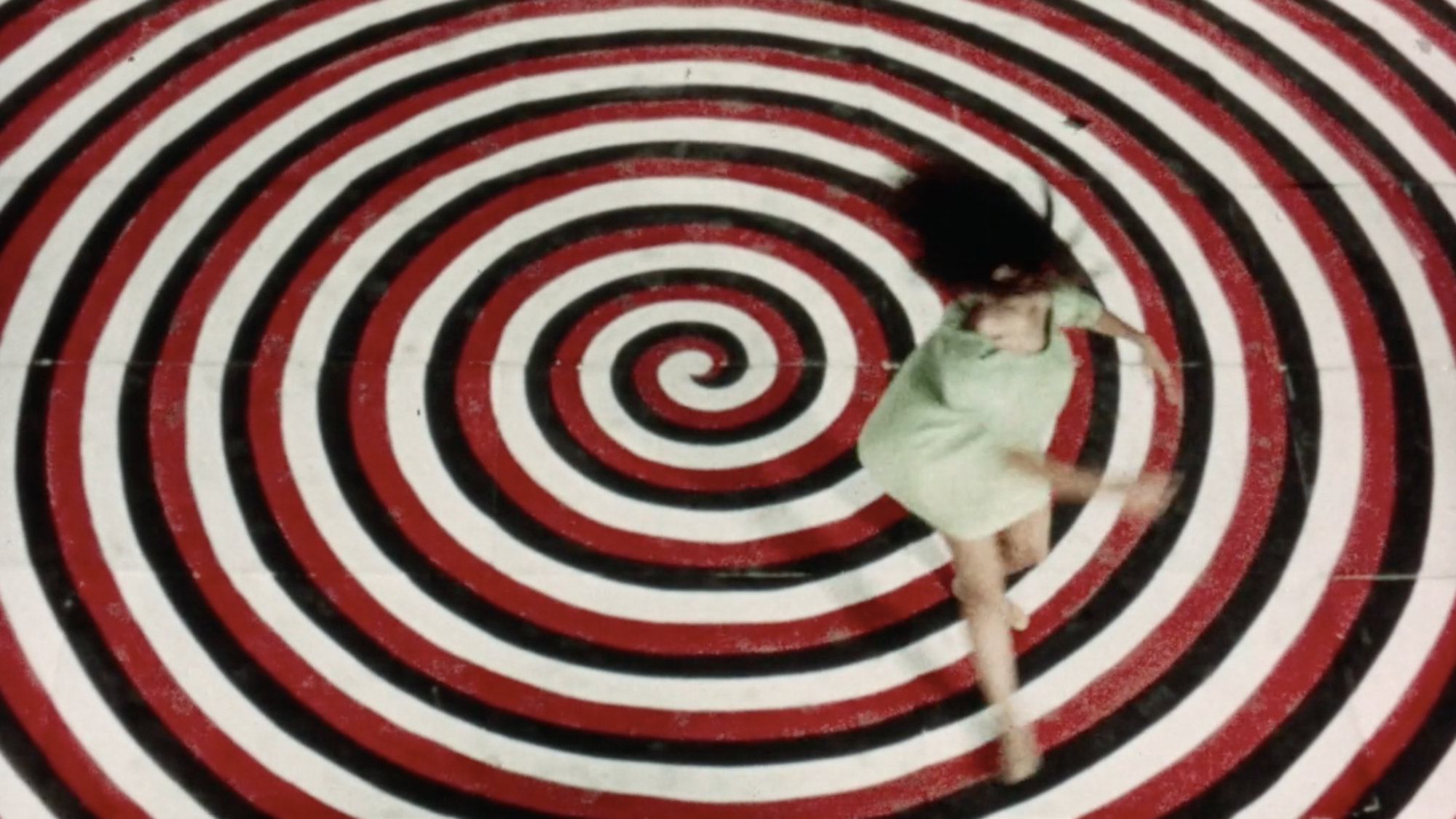
This second programme presents yet another expressive dimension of the cinema of Éric Duvivier. While his work is at its freest and most exploratory when probing psychiatric themes, he is also capable of remarkable innovations on other topics, notably childhood, as seen most keenly in Le Monde du nouveau-né, which is a subjective representation of an infant’s experience, from the womb to first steps. The film is not unlike the explorations conducted during the same period by experimental filmmaker Stan Brakhage (Scenes from Under Childhood, 1967-1970; Songs, 1966- 1970). Duvivier’s cinema is also attuned to developments in technology and their alienating impact on the psyche, evident in the psychotronic film Concerto mécanique pour la folie ou la folle mécamorphose (starring Jacques Higelin and Dominique Grange). Finally, Phobie d’impulsion offers (as in Autoportrait d’un schizophrène) an intimate plunge into the nightmarish experience of illness, using cinema techniques (dissonant editing, space-time disjunction, faux-raccords), and evoking Maya Deren and Alain Resnais as well as Italian giallo directors (Dario Argento, Pupi Avati), while including tropes dear to the Surrealists (the tomb of the Facteur Cheval). This programme therefore demonstrates how – paradoxically – a medical commission could offer, for those who knew how to harness its constraints, a breeding ground for a genuine and complete creative freedom.
André Habib