Film notes
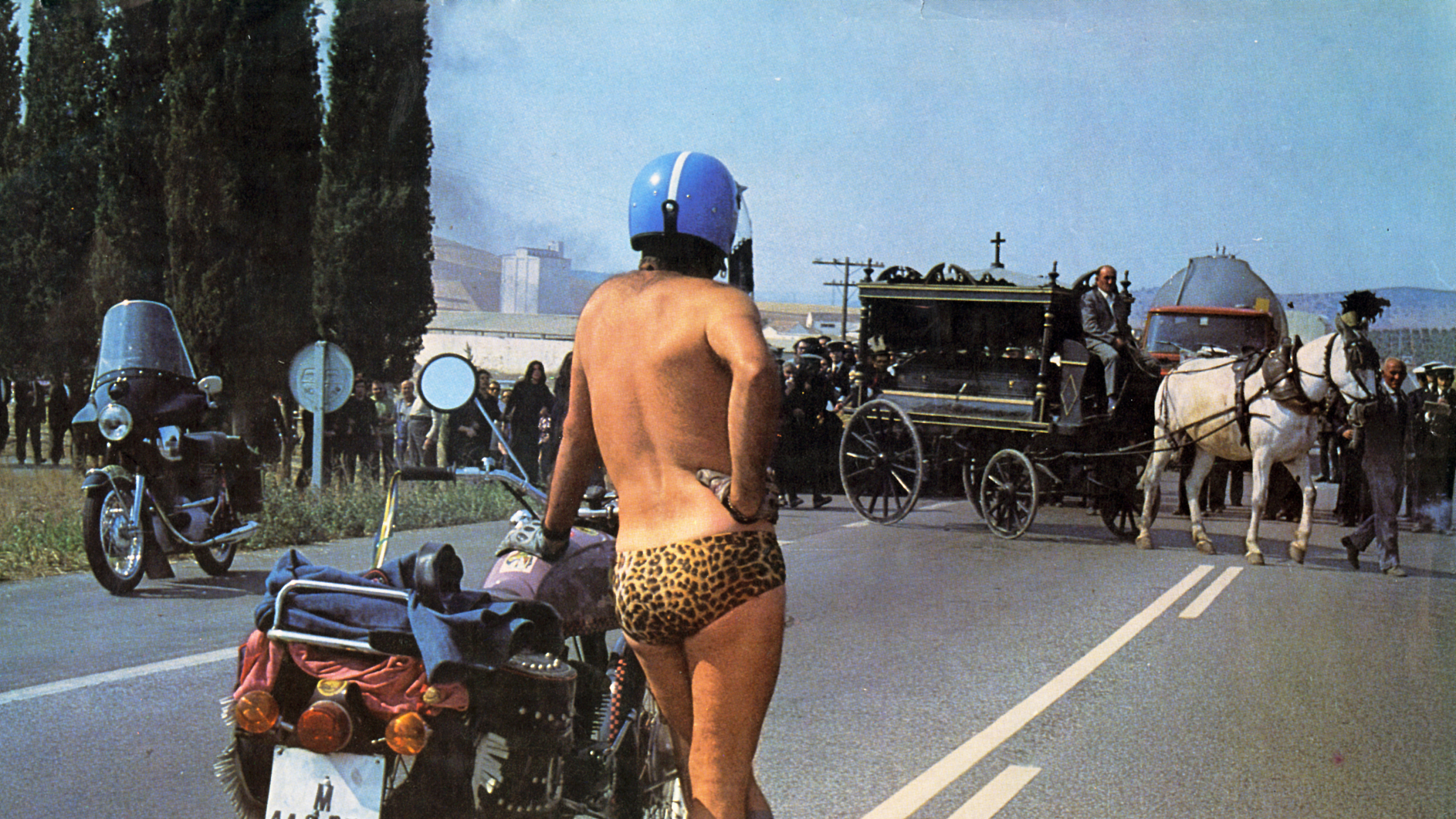
This is the first film Juan Antonio Bardem made after Franco’s death, and, although the dictatorship was still a living memory, a sense of relief, optimism and a certain joviality already runs through it. Casting Alfredo Landa, an actor previously associated with sexy Spanish comedies, in the lead role, contributed to this. After this film Landa began to take on a far broader range of roles, bringing to life some of the most significant characters in the cinema and culture of post-Francoist Spain. This metamorphosis, like the film’s story and structure, makes El puente a work entirely steeped in its own time. Conceived as a classic road movie, it traces a journey through space, from Madrid to Torremolinos and back, that parallels the moral and political transformation of the protagonist, who encounters people and situations along the way that awaken his social conscience. His conversion echoes the complex process of adaptation that characterised the Transición from dictatorship to democracy. It was precisely the explicitness of a political message that no longer needed to be concealed that drew negative reviews at the time. Filmoteca Española’s decision to include this film among the restorations for the centenary celebrations of Bardem’s birth aims to revive its visibility, reaffirm its coherence with the filmmaker’s trajectory of cultural militancy and restore its value as a shrewd historical record of an era of change.
Valeria Camporesi