Film notes
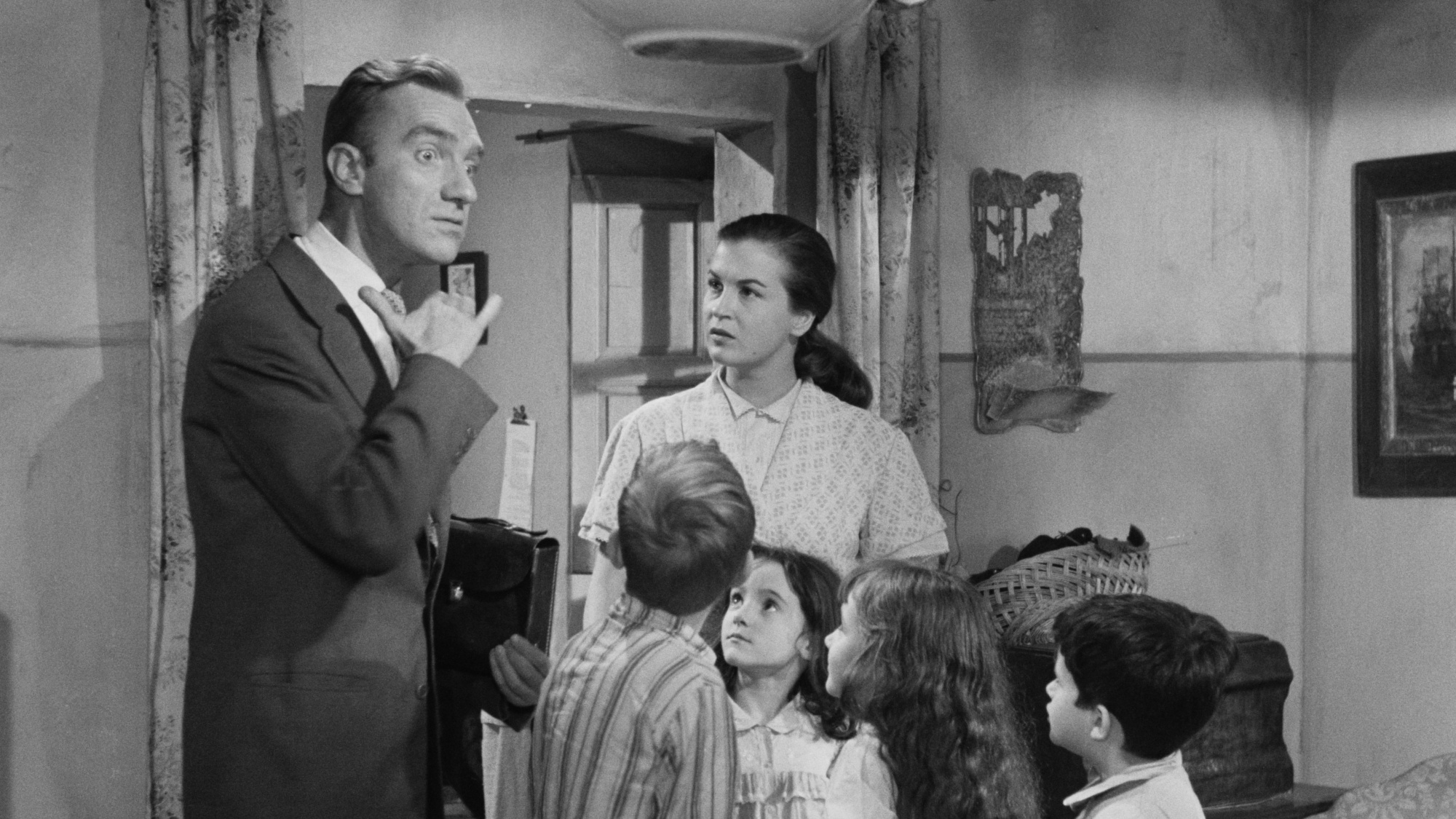
El inquilino was produced at the beginning of the second decade of the Franco dictatorship and from its origins was conceived as a project connected to the current events of many people’s lives, yet well removed from any form of radicalism or political criticism. The idea was to portray, with relatively mild humour, but without renouncing a strong realistic tone, the impact of real estate speculation that was going on in Madrid at the time. Despite moments of sarcasm and a certain crudeness with which it portrays the difficulties of a petty-bourgeois family struggling to secure safe housing, it initially passed the filters of the Censorship Board. They imposed cuts and adaptations, but, according to its director and co-writer, José Antonio Nieves Conde, without distorting its meaning and essence. However, when the film was finally distributed, the toughest obstacle it encountered was the angry intervention of the Ministry of Housing, which, finding it offensive, did everything possible to hinder its distribution and managed to impose several substantial modifications, as well as a different ending. This inevitably meant that its circulation and visibility were not only very limited, but its value and message were distorted. As Nieves Conde wrote, the film was “crushed, it was beaten, it was cut, it was altered… that was not the film we had shot”. In 1993, almost 20 years after Franco’s death, and 35 years after the film’s premiere, José Antonio Nieves Conde was able to obtain an uncensored release print and recut his film, adding extra material to show the variations it underwent. The restored version that will be screened at the festival is from this reassembled and recovered print, complete with its original trailer and final explanation. It aims to give back the film to the public, and to historical memory, as its creator originally intended.
Valeria Camporesi and Patricia Uceda