Film notes
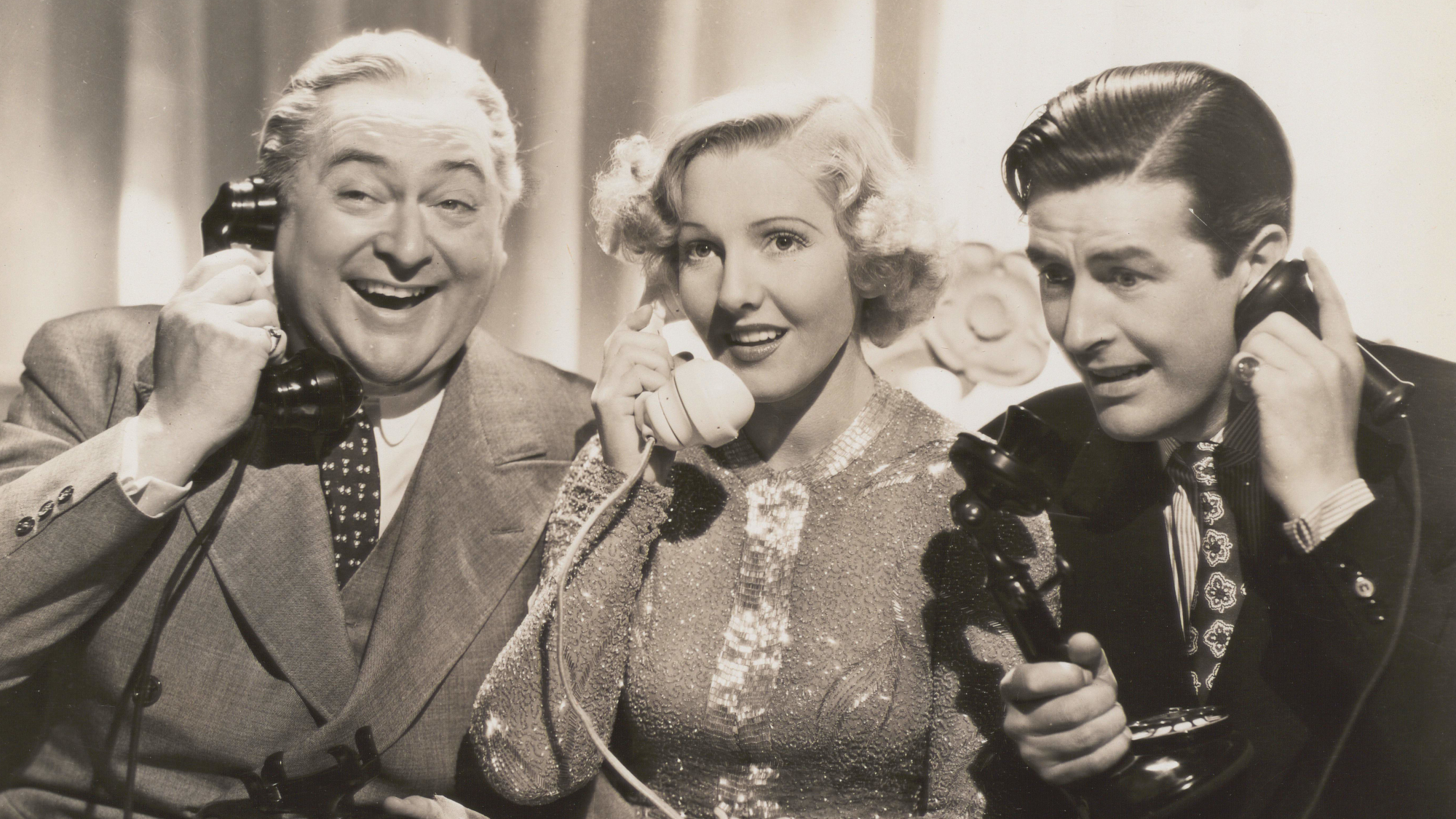
J.B. Ball (Edward Arnold), the third-richest banker in America, bumps into the jobless blonde Mary Smith (Jean Arthur) by sheer accident (“kismet”) and, out of pure whim, gives her his estranged wife’s mink coat. Thanks to that coat, Easy Living joins the splendid lineage of “clothes-make-the-man” cinema that stretches from Murnau to Kiarostami, in which clothes generate expectations, presumptions, and social associations. Later, in another kismet, Mary bumps into the banker’s son (Ray Milland), who, in rebellion against his wealthy father, has chosen to work anonymously in a lunchroom. Here, the codes of appearance are delightfully skewed: she looks terrific but does not have a penny to her name; he looks drab but is a billionaire. The show-stealer, however, is the hotelier played by Spanish actor Luis Alberni with his uncanny ability to mix up English words and invent the most splendid malapropisms: “With a bit of your corruption we can achieve this.” He means, of course, “cooperation”, but the twisted word comes closer to the true meaning of the situation. The ambivalent treatment of the capitalist ethos – ruthless exploitation and corruption but one that nonetheless benefits everyone – owes more to writer Preston Sturges than to director Mitchell Leisen, the latter generally holding a more critical view of the rich. Sturges himself must have wrestled with the story source by communist author Vera Caspary to ensure that when a chef snarls, “You dirty capitalist”, it registers as a nod to capitalists’ sense of humour rather than an incitement to revolution. The inclusion of slapstick in Leisen’s cinema is rare and often unsuccessful; Easy Living is the sole instance in which it truly works, owing no doubt to Sturges. Yet the sequence set in the fully automatic eatery is reportedly unscripted and entirely Leisen’s invention. I would like to think that the motif of “entrapment by wealth” is also unscripted and the result of Leisen’s mise-en-scène, evident when, for instance, people in the corridors of the bank or the house constantly trip over an excess of objects.
Ehsan Khoshbakht