
Film notes
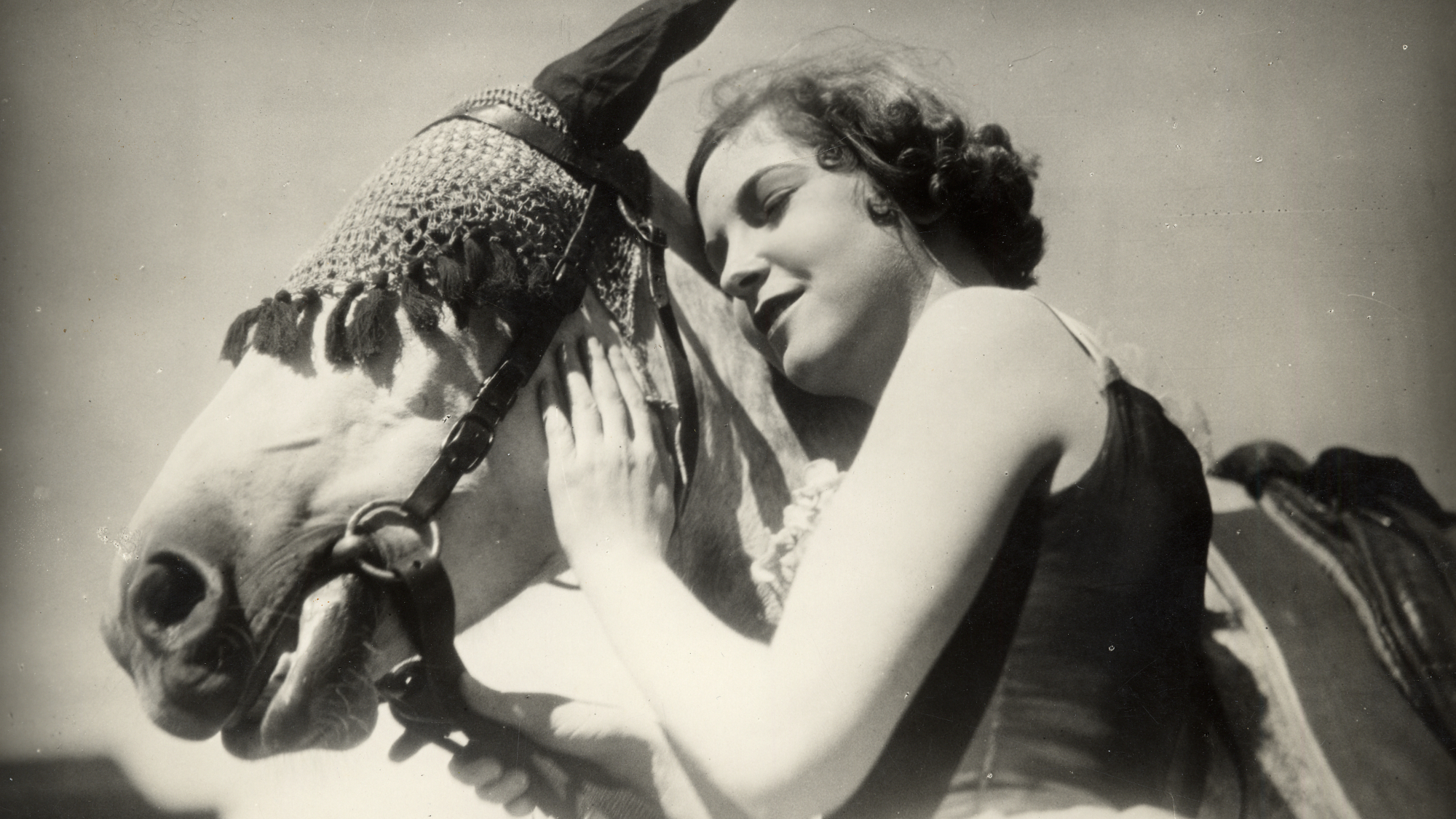
Where does that sense of freedom come from that one feels when watching Die verkaufte Braut? Thirty-year-old Max Ophüls directed his second film with amazing inventiveness; the fast-paced visual track, brimming with visual ideas, camera movements and montage sequences, is in many ways a silent film set to music. Yet this is no opera film; rather, we gaze as if into an aquarium, into a transparent space where the German modernist theatre of the time appears before us: experimental, multi-layered, polyphonic, ingenious. The lively interplay of image and music lifts the spirits, but what is particularly delightful is the way Ophüls, in his avant-garde cinematic fairground, showcases cinema’s predecessors – ballad singers, battle models and photography – and brings together an ensemble of performers from various performing arts: Novotná and Domgraf-Fassbaender with their great operatic voices, character actors such as Wernicke and Giehse, and the improvising comedy duo Karl Valentin and Liesl Karlstadt. He also engaged real circus performers and farm children (and a sausage chef from Munich as the remarkable village policeman). The pace slows down just once, and tellingly, this happens in a scene dictated by the plot. 300 guilders must make their way from Kezal to Hans, to Wenzel, to Brummer, and into the town treasury so that the circus performance can go ahead. But this is immediately followed by a great scene with Valentin and Karlstadt, then the finale. The mute Indian chief (note: Nosferatu actor Max Schreck) opens his mouth and invokes in Saxon dialect the ethics of artists. Hans carries off his Marie; Wenzel jumps in as a dancing bear; and Kezal, the matchmaker, brings everyone together for the final photo. Die verkaufte Braut is not a wellknown film, yet a joke from it is quoted quite often, and it fits Il Cinema Ritrovato perfectly. Esmeralda plays the accordion, Wenzel listens to her admiringly. Wenzel (the festival audience): “Art is beautiful.” Esmeralda (the festival team): “But it’s a lot of work.”
Mariann Lewinsky