

Film notes
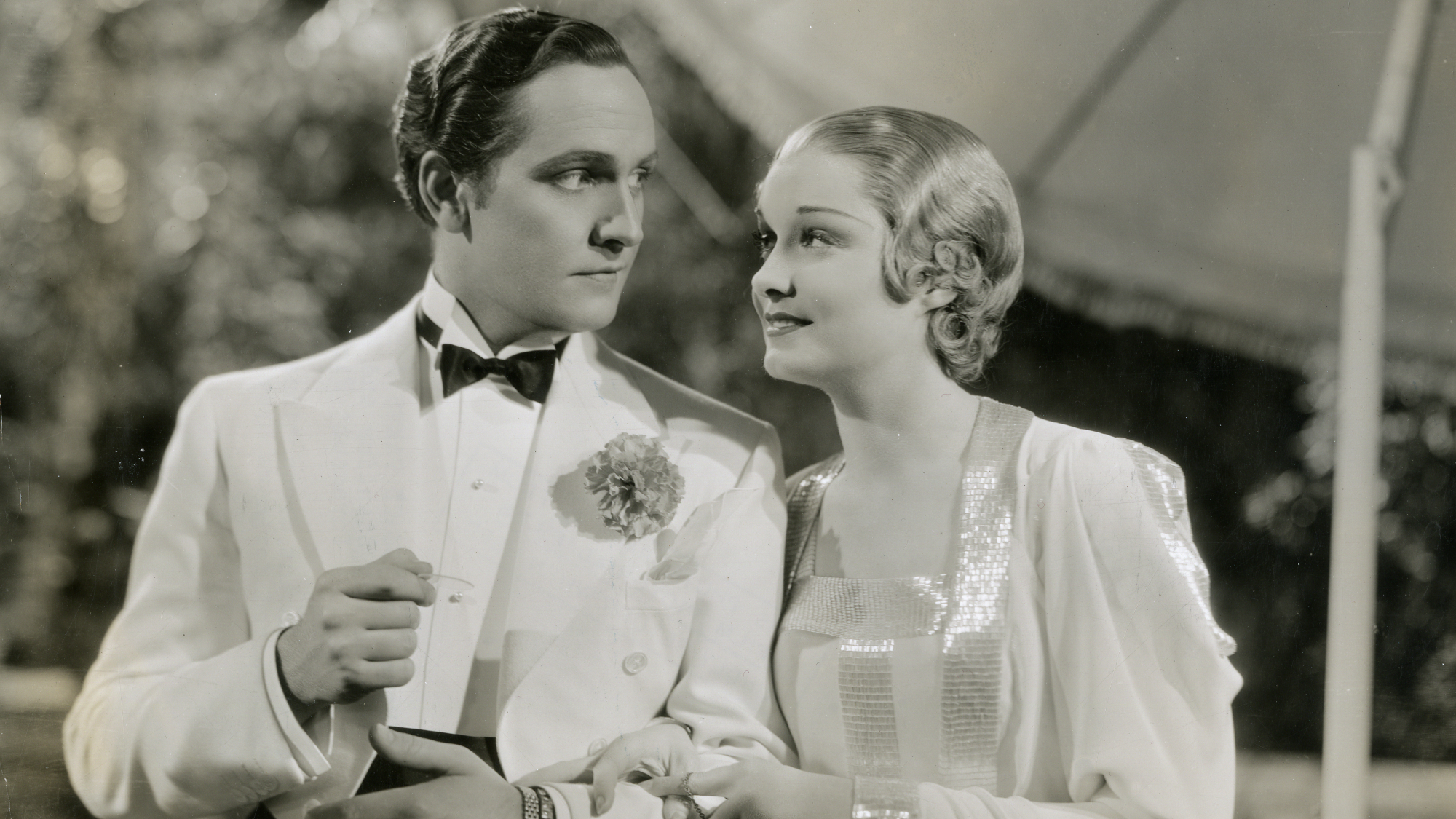
A love-is-stronger-than-death narrative rendered in a literal manner: Fredric March, playing Death, temporarily assumes human form to join a group of guests in a palazzo where he falls in love with the owner’s daughter, Grazia, played by Evelyn Venable. During the Ex-terminating Angel’s unpaid leave in Italy, people survive horrible accidents and the mortality rate drops to zero, but the film asks what the ultimate point of falling in love with Death is. Simply dying? The story is based, second hand, on a three-act comedy, successful across two continents, by Italian author Alberto Casella. Adapted for the screen by Maxwell Anderson and Gladys Lehman from an English version written by Walter Ferris (later remade in 1998 as Meet Joe Black), the film makes no attempt to conceal its stage-bound origins. In fact, it seems content to work within the limitations of a play. Leisen’s favourite art director, Ernst Fegté, designed the sets, and thanks to the work of a man not unfamiliar with the avant-garde (he had designed Black and Tan), the film can stand firmly between a dark-old-house yarn and a symbolic tale of spiritual transcendence. Following the success of Fredric March’s Dr. Jekyll and Mr. Hyde, the fantastical and the morbid were fertile ground for asking serious questions about self and society. Indeed, Mitchell Leisen’s film – one of the most unusual studio productions of the 1930s – carries a philosophical undertone that it does not hide. It may be one of the first instances of a Hollywood film self-consciously boasting about the seriousness of its subject. Yet, Leisen, disarmingly, unrolls a mishmash of existentialism, controlled verbal comedy, and “deadly” double-talk – in the process outdoing The Seventh Seal’s humourless take on Death on the roam.
Ehsan Khoshbakht