Film notes
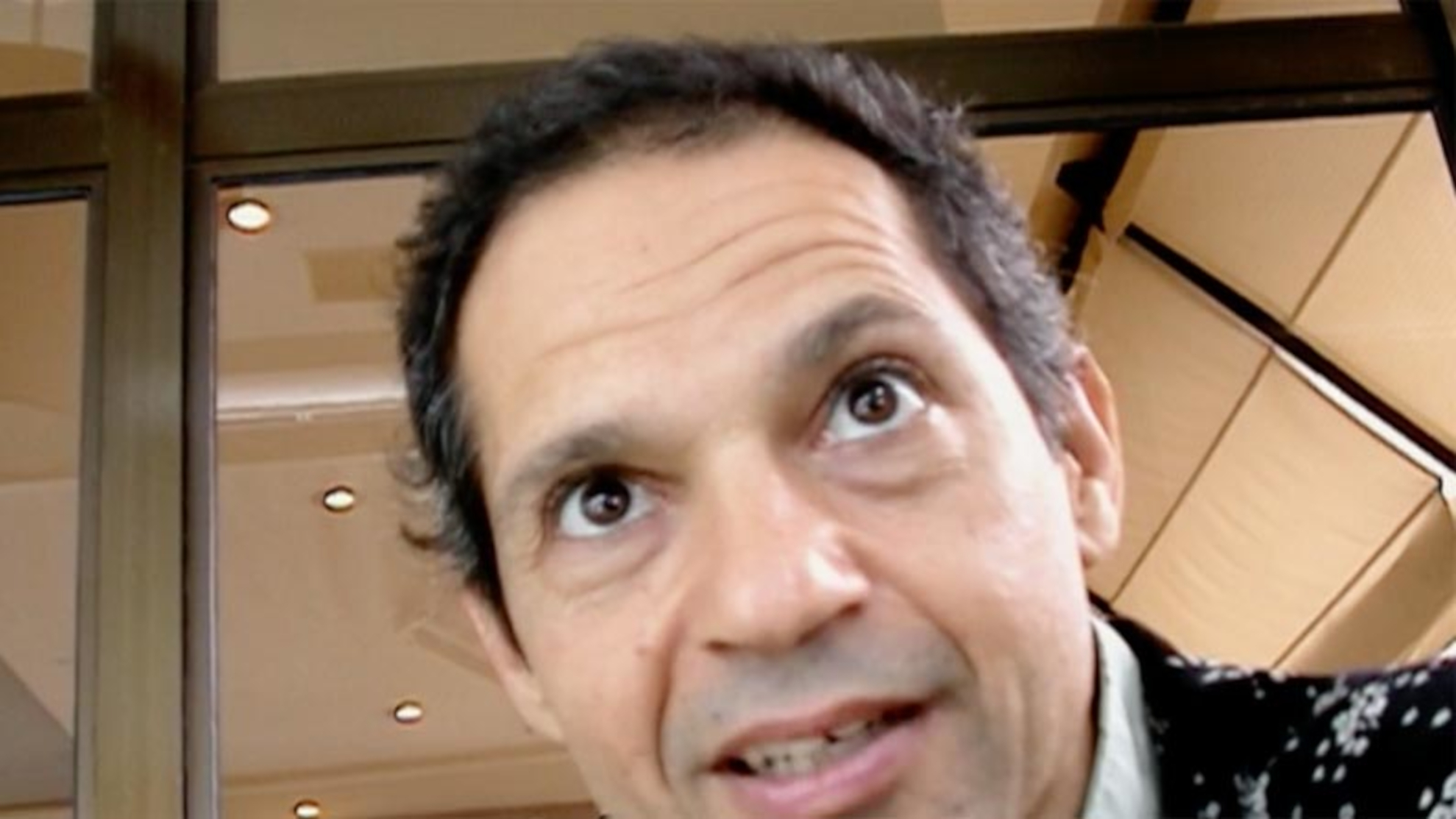
In 2018 I went to the Brazilian Cinema Festival, where I met Emilie Lesclaux, my partner and producer. She convinced me to document my conversations with filmmakers and film critics. I did so for eight years: 103 interviews, 79 of which found their way into the film. Michel Ciment appears several times; he had witnessed an important moment in the history of Brazilian cinema, when Glauber Rocha, at the 1980 Venice Film Festival, flew into a rage because his The Age of the Earth had not received any award … I was defending the cinema I believed in, but without any desire to change it. I wanted to protect a cinema that was politically and aesthetically very distant from the mainstream. Feeling close to a film is a very beautiful thing. And when one tries to convey that experience – not merely to describe a film – critical discussion becomes a political act: each person commits themselves personally. In any case, in my life the two activities of being a filmmaker and a critic have overlapped; I did both for many years. When I began pre-production on Neighbouring Sounds (O Som ao Redor), I could no longer reconcile the work of critic with that of director. I was immensely happy to be able to make that film. This gave me the energy I needed to say no to criticism. At first I did not miss it. But in September 2010, when the film was finished, that absence made itself felt. For 13 years I had watched films and written about them every day … For me it was a dream come true. At the age of 12 I already wanted to become a film critic. Those years were marked by terrible conflicts, which is precisely what I tried to document in the film. There is a tendency to think that the work of a critic has nothing dramatic about it; but every film belongs to someone, to a group, and therefore carries a drama within it.
Kleber Mendonça Filho, interviewed by Élise Domenach, “Positif ”, n. 668, October 2016