


Film notes
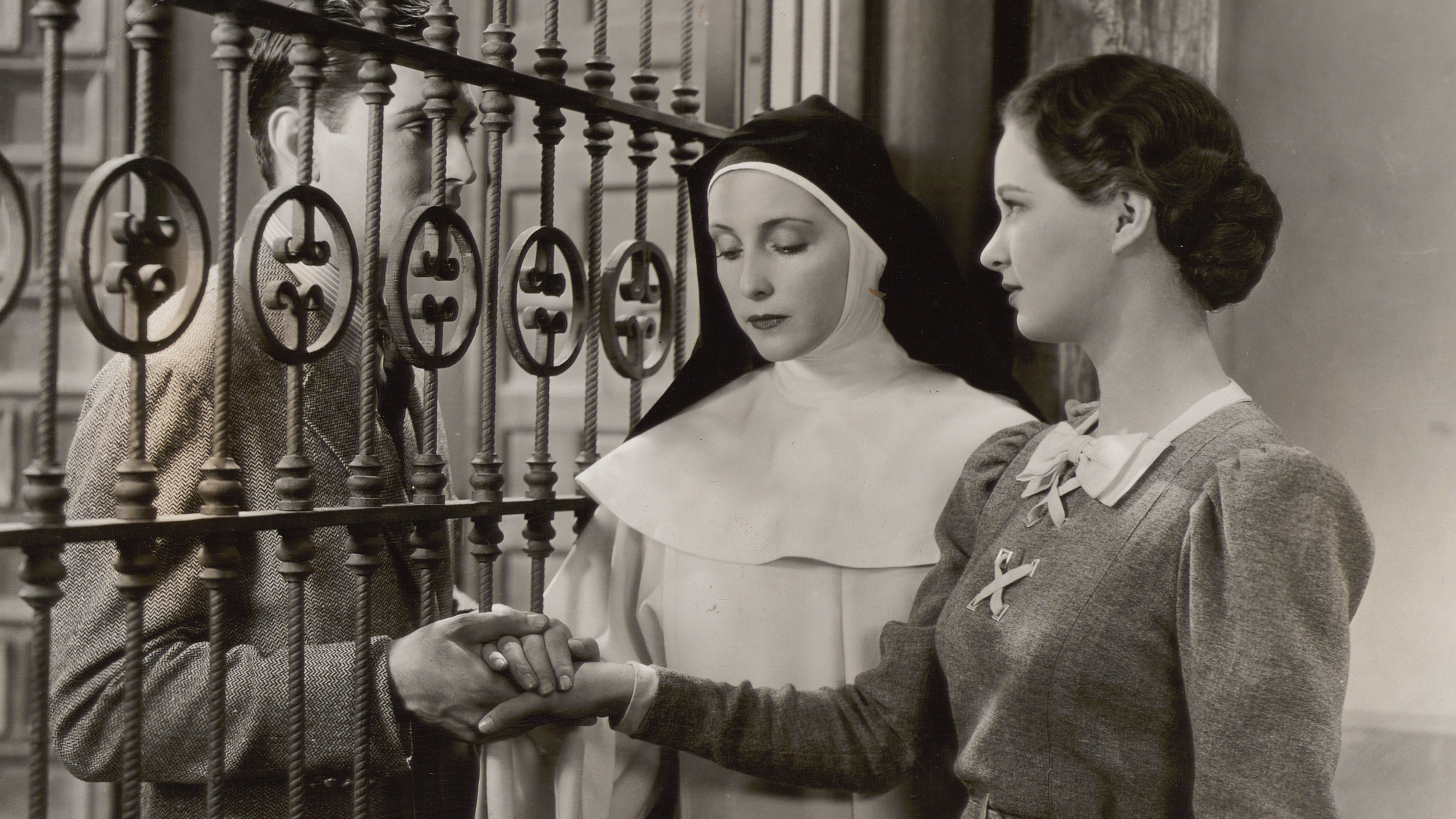
Though not exactly Mitchell Leisen’s directorial debut (he had a major hand in directing two films that were eventually attributed to Stuart Walker), the highly unusual Cradle Song – closer to Robert Bresson’s Les Anges du péché than to either Ernst Lubitsch or Vincente Minnelli – was the first time his name appeared as director. This belongs to an exploratory period lasting until 1935, in which Leisen was looking for material that suited his design-favoured cinema. His taste for aesthetic innovation was matched by Paramount’s tendency towards ostentatiousness. He was searching for a deeper truth that his cinema could surrender to. Based on the Spanish play by María and Gregorio Martínez Sierra, Cradle Song is a story of family reconfiguration and belonging, both key to Leisen’s cinema. The story is about young Joanna (German actress Dorothea Wieck), who leaves her adopted family to join a convent. During years of living in seclusion, Joanna fights temptations, and they are not lustful – it is the sound of children playing outside that distracts her from total devotion. “I think of our Lord as a child,” she says, suggesting that innocence, motherhood and divinity are seen as a continuum. Therefore, the arrival of the abandoned baby in the convent is more like a small miracle. She raises the child, who, in adulthood (played by Evelyn Venable), goes out and falls in love with a dashing engineer. She becomes a go-between for the flesh and the soul, and a surrogate for her mother’s earthly desires. Leisen maps worldly pleasures onto the mother when, in one shot, the lace of the daughter’s wedding dress momentarily covers the entire frame, including Joanna’s face, making it look as if it is the mother who is going to the bridal chamber. The compositions emphasise desire and separation, and there is an incredible moment when the groom is allowed to look at the faces of the nuns who once only in their cage of chastity unveil for him.
Ehsan Khoshbakht