Film notes
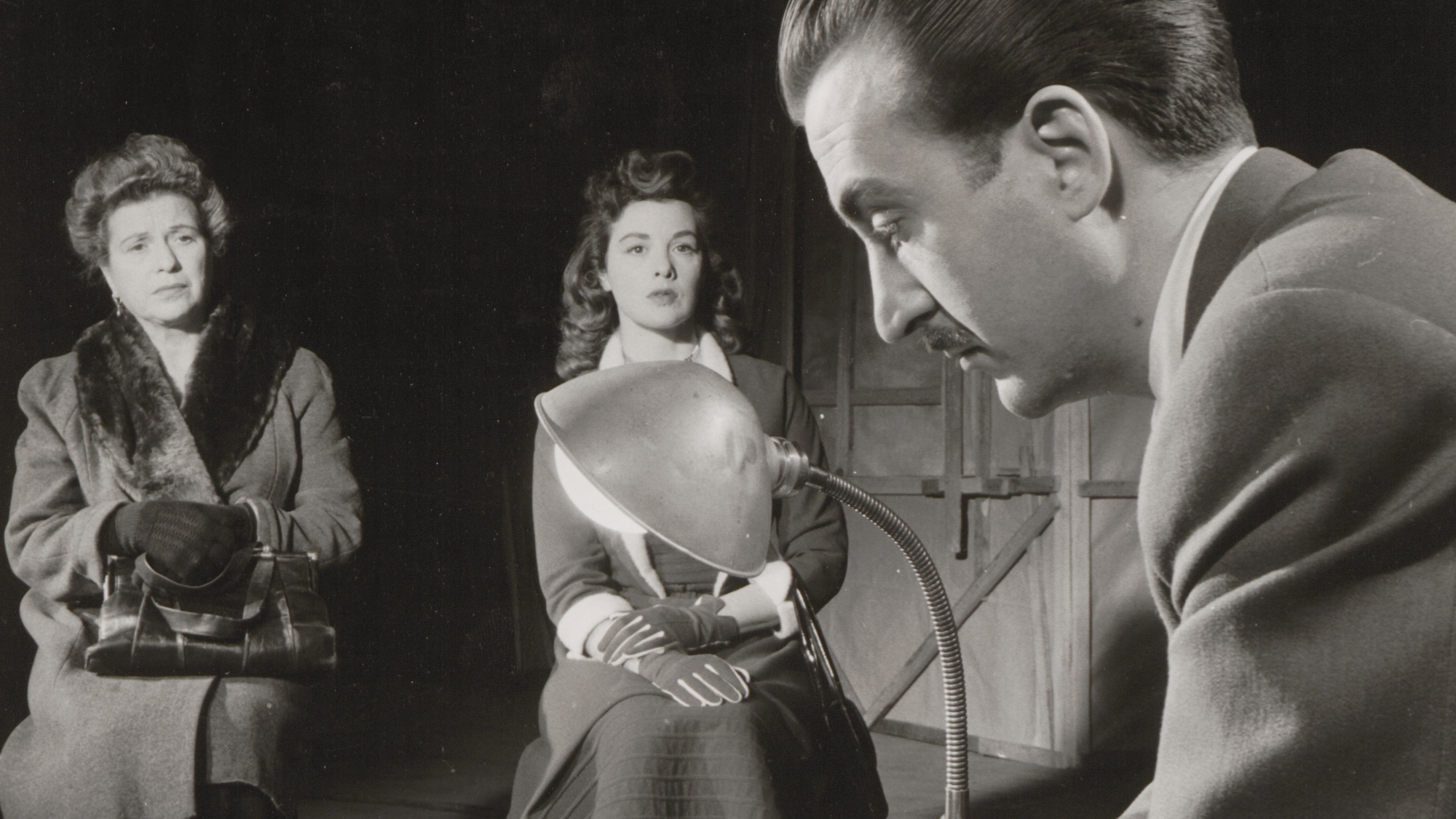
Juan Antonio Bardem’s first solo feature after the success of Esa pareja feliz (1951), co-directed with Luis García Berlanga, Cómicos portrays the precariousness of the post-war theatrical world from a perspective that is in some ways autobiographical, since it represents the filmmaker’s tribute to his family of actors. It is no coincidence that two of the characters share the names of his parents, the comic actors Bardem Solé and Matilde Muñoz Sampedro, cornerstones of the “Bardem dynasty” in Spanish theatre and cinema. The ensemble portrait of that microcosm is magnificent, with the clashing of the egos and ambitions of performers, alongside the dignity of authors, agents, impresarios, prompters, critics, technicians and other figures worthy of note. The visual construction reinforces the sense of confinement and emotional strain experienced by the characters, who move through cramped spaces that stand for the cultural limitations of Francoist Spain. The struggle to maintain integrity in a hostile environment raises a broader conflict, played out between vocation and survival. As is customary in Bardem’s cinema, the narrative avoids sentimentalism and relies on sharp dialogue, the protagonist’s commentary and expressionist lighting. Emphasising the reverberations between what happens on and off stage, the editing repeatedly uses a peculiar dialogue of shots – especially evident in a conversation between Ana and Marga – that sheds the conventional shot/reverse shot technique in favour of a cinematic language closer to the new aesthetics, which were tentatively making headway in the grey Spain of the 1950s.
Carlos Reviriego