Film notes
The best-of-1902 programme should not be taken too literally, as the nine films have not been selected by an official commission in a serious contest. They have been grouped together freely, as outstanding representatives of the cinematography of 1902, so rich in beauty.
The gripping natural beauty of non-fiction films capturing the movement of waves, birds, bicycles and ghost-rides, the enchantment and wonder provoked by scènes à trucs, the liberating brashness of comic scenes and the literally and spiritually uplifting Dainef sisters fill the spectator with gratitude. Such good fo tune that cinematography has been invented! Thank you, dear pioneers!
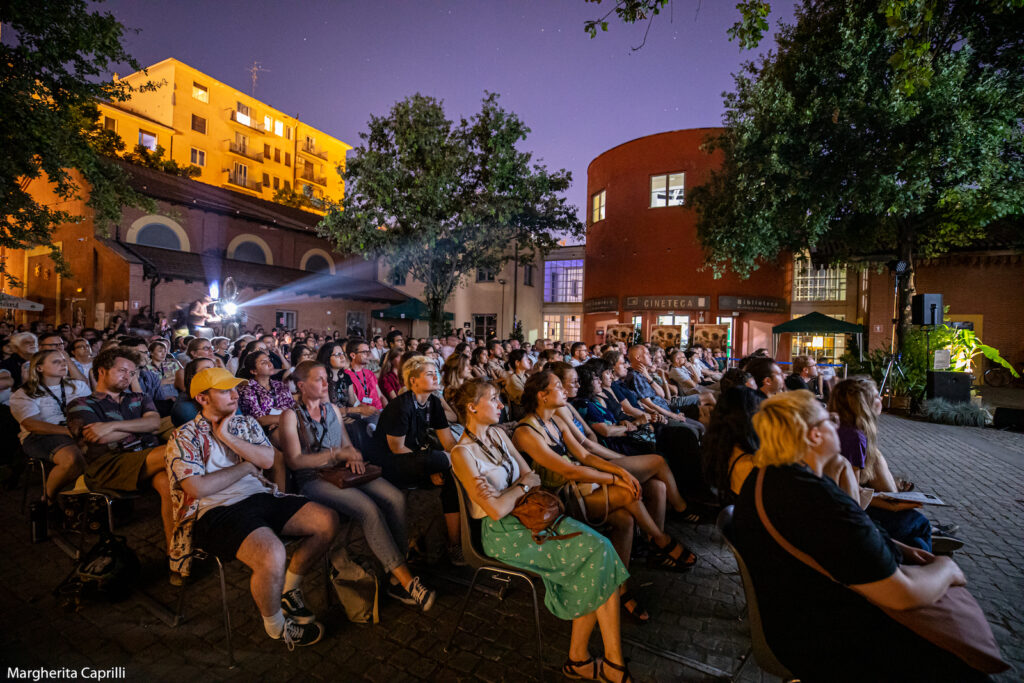
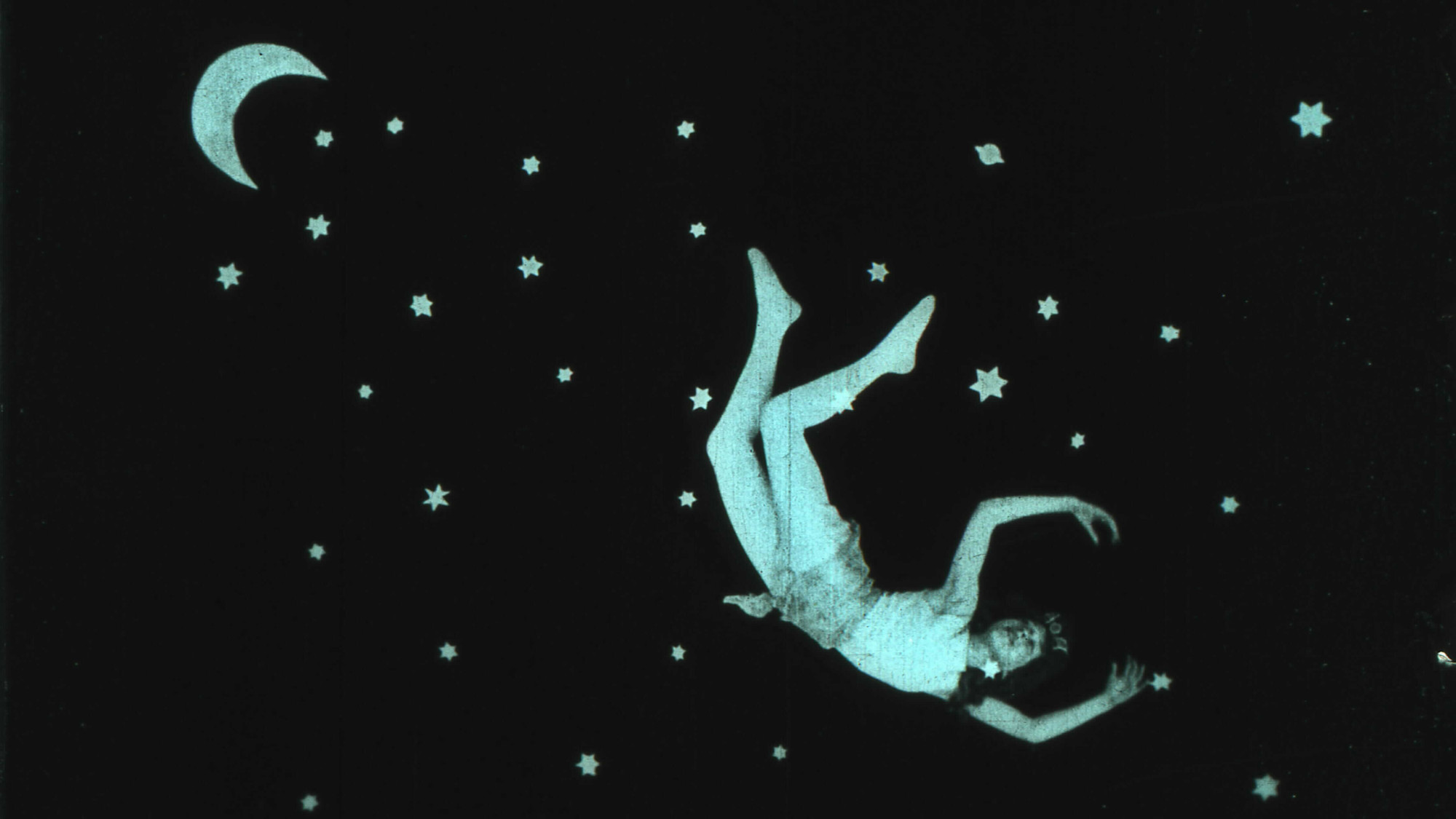
Méliès, born in 1861, must have seen the Offenbach operetta – it was performed 275 times in Paris in the years 1875-1877 and inspired numerous revues and all subsequent snow dances. Elements obviously lifted from Offenbach are the title of the film, the cannon used to send the rocket to the moon, the ridiculous astronomers, the snow and the Selenites. (But not much of the operetta’s plot, which centred on love and flirtation – Offenbach being Offenbach.) Dubbed a precursor of science fiction, Le Voyage dans la lune by Méliès has been victim of particularly unsuitable musical accompaniments in the past. As with all féeries, the music of Offenbach works wonders for this film, bringing out all the brilliant fun and fantastic inventiveness. We will screen Le Voyage dans la lune in two different versions. In Piazzetta Pasolini we will show a brand new black and white 35mm print. The replica screening in Sala Mastroianni will feature the 2011 digital colour version by Lobster Films with the support of Fondation GAN and Technicolor Foundation, based on the sole surviving hand-colored nitrate print discovered in 1993 at the Filmoteca de Catalunya.
Mariann Lewinsky