
Film notes
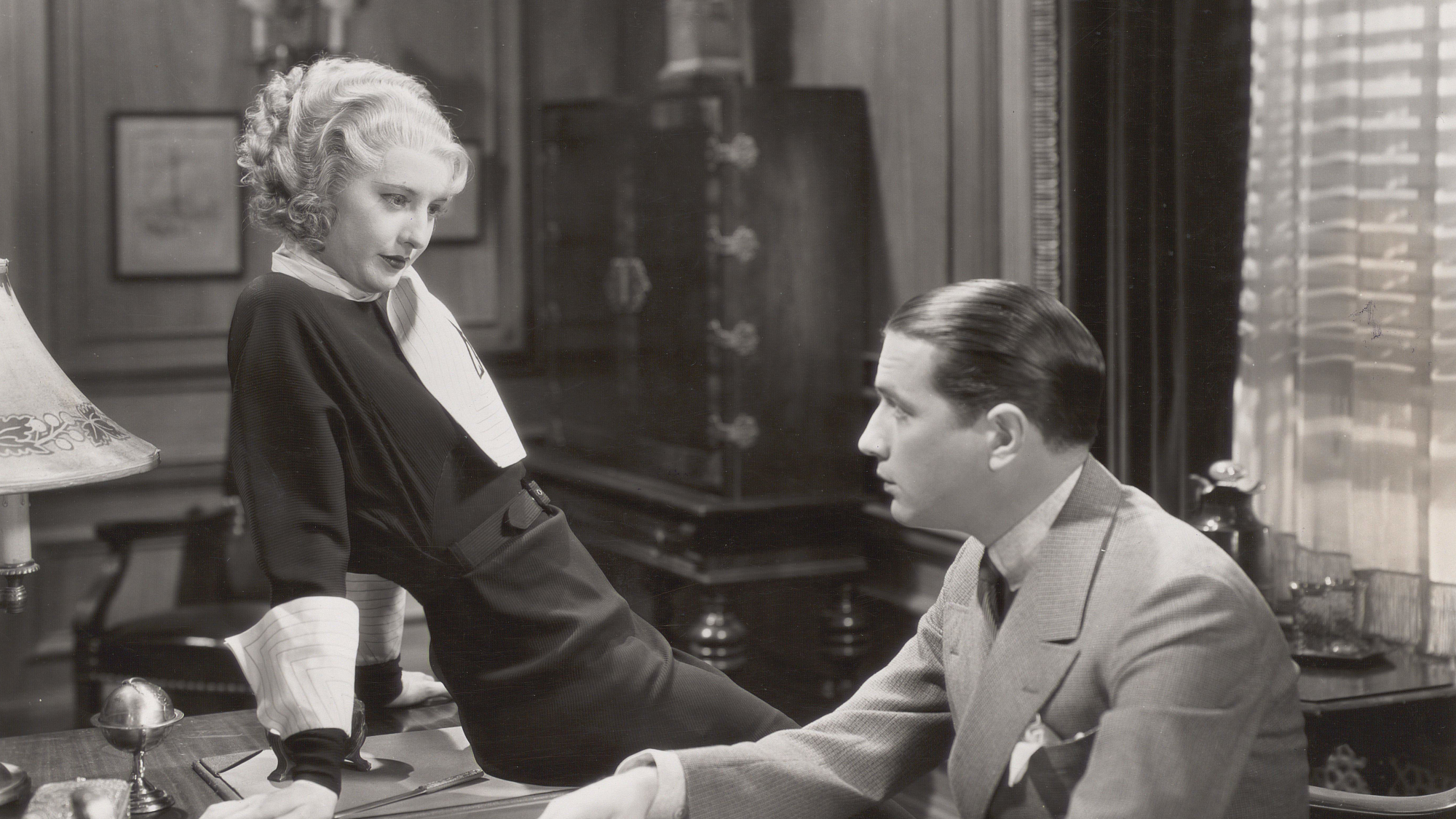
This film about a woman clawing, seducing and outsmarting her way to the top in a man’s world still has the power to shock. Directed by Alfred E. Green from a story by Darryl F. Zanuck, it was censored and softened before release, but still almost singlehandedly precipitated enforcement of the Production Code. The original uncut version was rediscovered and restored in 2004. In one of her most uncompromising roles, Barbara Stanwyck is Lily Powers, waitress and girl for hire in a small-town Pennsylvania speakeasy owned by her father, a lowlife who has been prostituting her since she was a teenager. Here we get a kind of unvarnished Ruby Stevens, the woman Capra said “came in with a chip on her shoulder and went out with an axe on it.” Her only loyalty is to Chico (Theresa Harris), a black employee, whose casual treatment as a friend and ally is another remarkable feature of the film. Among the bar’s patrons her one champion is an older man who insists she has power, and in the spirit of Nietzsche, exhorts her to “use men!” When things between father and daughter come to a head, and he eventually dies in a fire, she leaves for the city to pursue that advice and, through guile and self-improvement, works her way up the employment ladder of a large bank. (John Wayne is one of her brief encounters.) She gets to look pretty fabulous, courtesy of Warner Bros. responding to fans who wanted to see her glamorous, in a backless gown designed by Orry-Kelly. Scandalous deaths in her “love nest” force the new head of the bank, George Brent, to send her to a job in Paris and oblivion. Though she plays nice for a while, oblivion is not for her. She adapts and redefines her ambition: now it’s marriage. If a certain obligatory softening comes at the end, not until Double Indemnity will she play a character so beyond the redemptive power of love.
Molly Haskell