Film notes
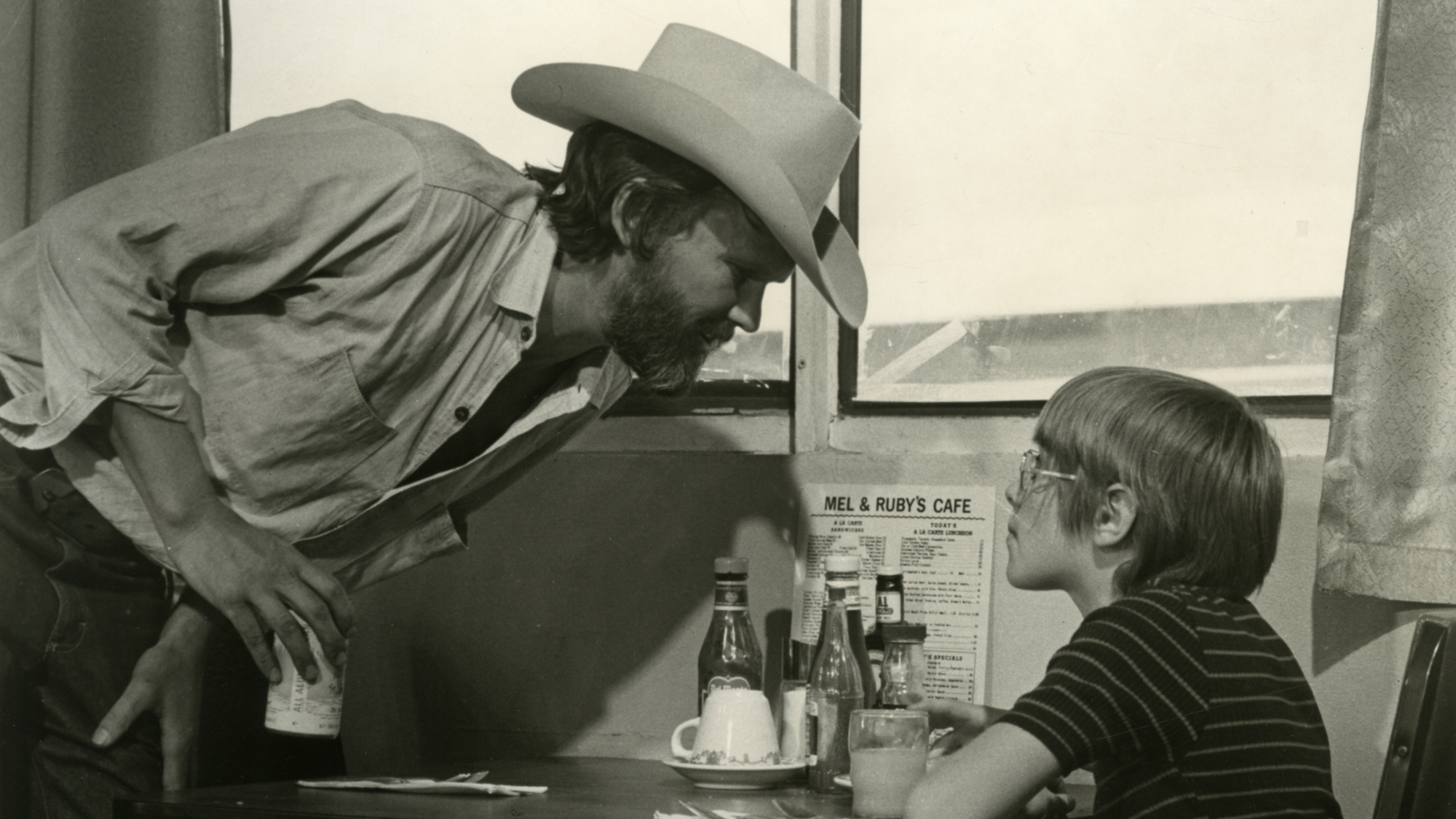
A story of a woman in search of a destiny, Alice Doesn’t Live Here Anymore breathes the free and edgy air of the early 1970s. It is the America of post-Vietnam pacifism, of civil-rights struggles, naturally of feminism. The New Hollywood that dismantles genres (while maintaining close ties of filiation with the figures of classical cinema) makes room for restless, and occasionally powerful, women. Ellen Burstyn, fresh from the success of The Exorcist, is here the driving creative and contractual force: the screenplay is submitted to her, she convinces Warner Bros., and after seeing Mean Streets, she chooses Martin Scorsese. Scorsese looks at classical cinema with love, preserving its memory while moving beyond its canon. Alice is a film shaped by a disenchantment with any past; it opens by plunging us into blazing colours à la Gone with the Wind, and closes with the admission that there is no Tara to return to, that the journey toward a land of lost wonders is a regressive dream, and that one might as well stop in Tucson – which, as the worldly-wise fourteen-year-old Jodie Foster assures us, “is the weird capital of the world”. A road movie of “woman’s film”, with a widowed housewife and aspiring singer at the wheel and her eleven-year-old son in the passenger seat, Alice Doesn’t Live Here Anymore anticipates, even in its twisted irony, other female journeys through the beauty and challenge of the American landscape, the gloomy Nomadland by Chloé Zhao and Frances McDormand (impoverished working- class, touristic version) or the series Hacks with Jean Smart (show-biz, still touristic version). Alice has several male encounters along the road, and concludes – in serene contempt for the rhetorical clichés of the period – that she “cannot live without a man”; yet the thread that sustains the narrative is her relationship with her son, in the hands of a filmmaker nourished by Italian neorealism (just an ideal horizon, no trace of sentimentality). In the friction, tenderness and mutual reliance, in the prodigious backand- forth, Alice stages an unusual “war of the sexes” and, to my memory, the most interesting bond between an adult woman and a child modern cinema has ever portrayed.
Paola Cristalli