Film notes
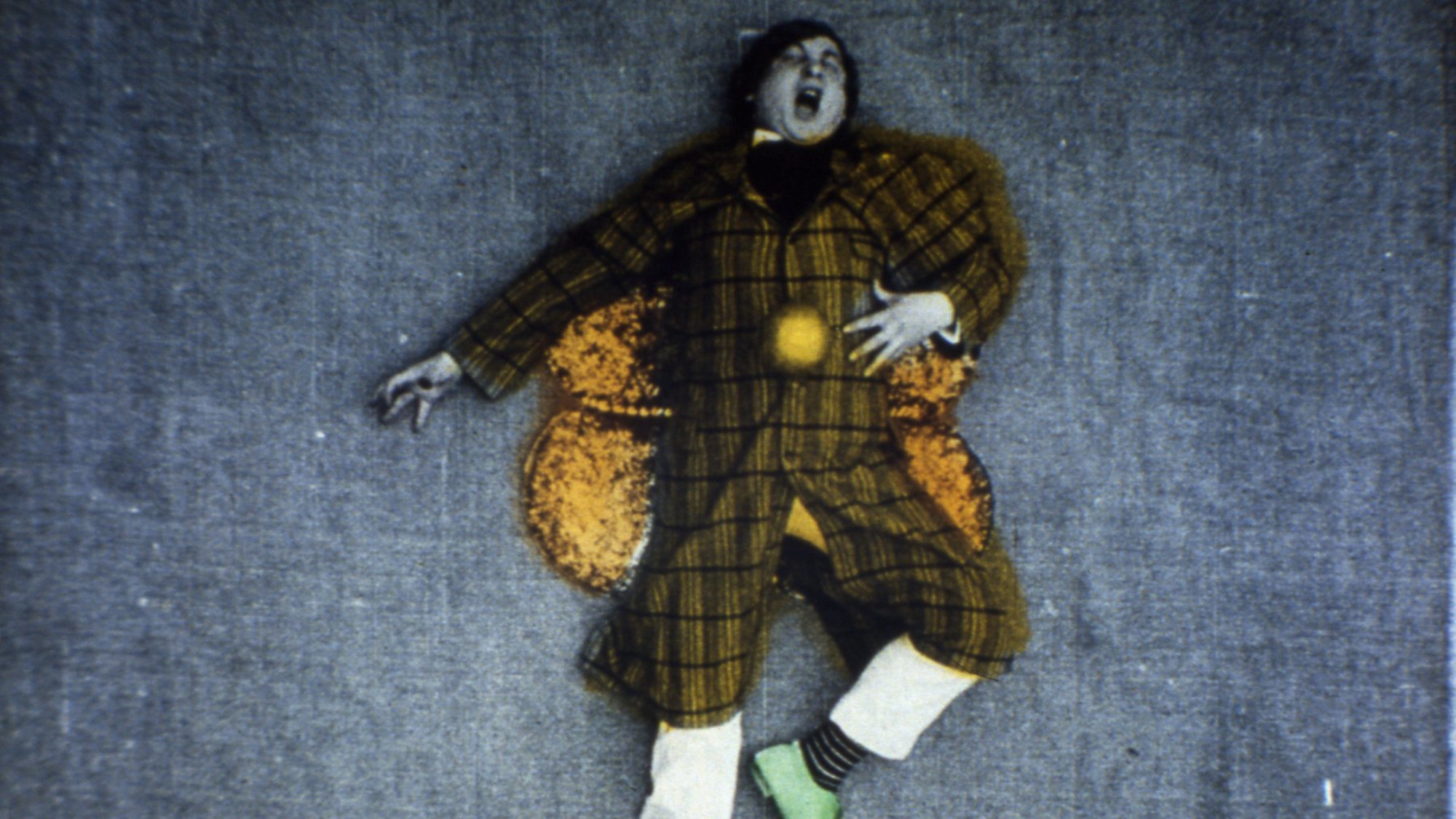
The street as a filming location is one of the constants of early cinema. It offers fascinating insights into life around 1900, whether in scènes de plein air, travelogues or certain comedies and chase films, where the fictional plot occupies only a small part of the film’s visual field, through which non-fictional passersby and dogs move freely. We venture on to the unsafe streets of Paris in 1906 (in the Pathé comedies Je vais chercher du pain and Le Melon providentiel) and travel out into the world, to take a spin around the Ring in Vienna, visit Niagara Falls as tourists and take part in a polar expedition in the Arctic. Even in 1906, the intrinsic character of early cinema remains unchanged: it functions as a gateway to the world. The second key location during this period was, of course, the studio, where films inspired by a wide range of stage performances were produced – including dance and acrobatic numbers, comic sketches, animated films and féeries. Gaston Velle, a stage illusionist, worked for the Lumière brothers before joining Pathé in 1903, where he excelled in music hall films, scènes à trucs et transformations and féeries, successfully competing with Méliès at a time when a long extravaganza of féerie was the highlight of a film screening. Velle’s lovely creations often surpassed those of Méliès in charm and beauty. After a series of very successful productions, Velle was recruited in 1906 by the newly founded Roman production company Cines. He left Paris together with several Pathé technicians and worked for Cines in the role of artistic director. Several of his Cines productions, such as Un viaggio in una stella, were almost exact copies of films he had made in France. (A year later, after his return to Pathé, he would repeat this feat of auto-remakes).
Karl Wratschko