Film notes
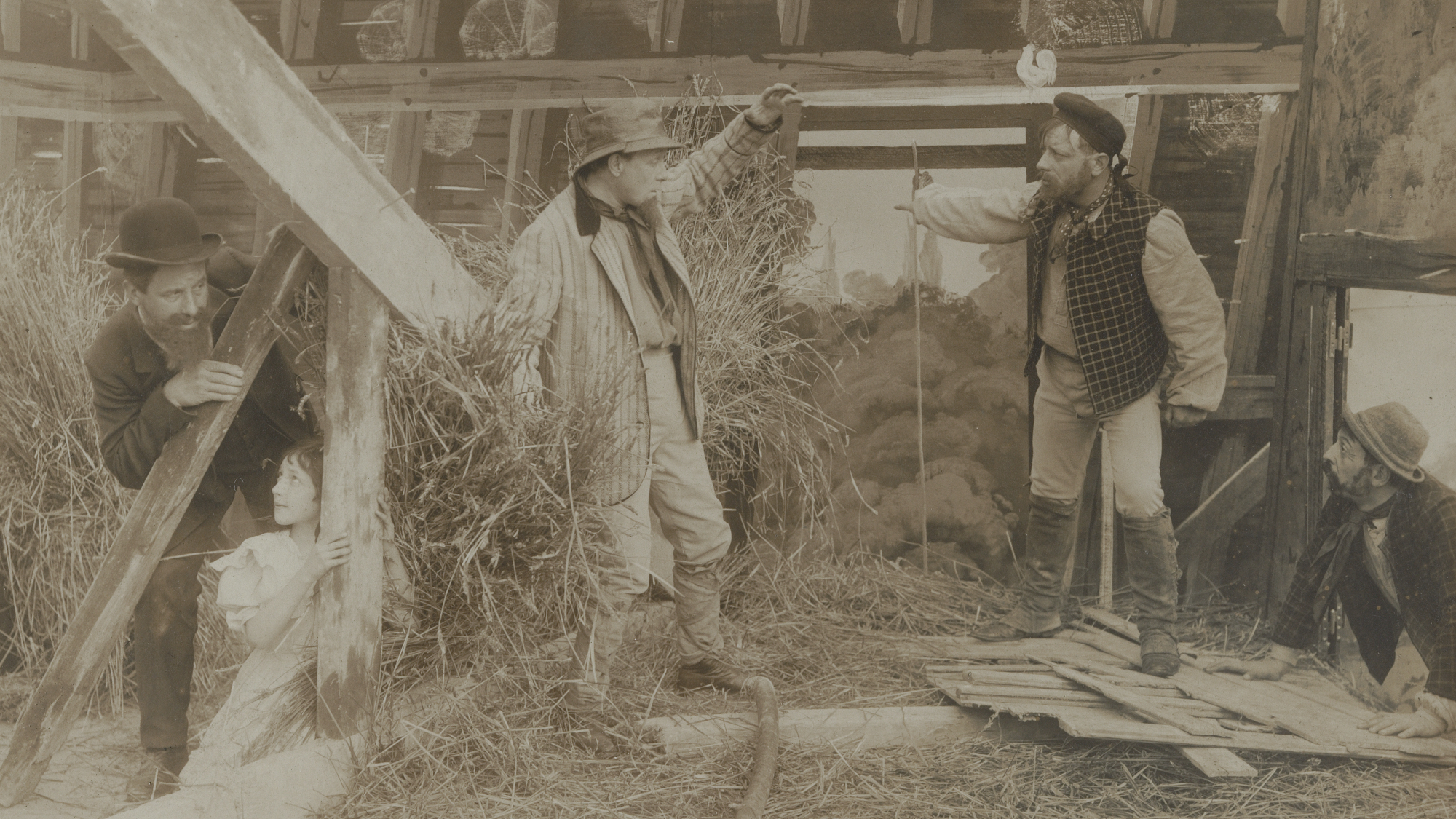
When experts discuss the early days of cinema, they often describe each year as a year of transformation. Since this generalisation is also applied to 1906, the question becomes: what transformations took place in the course of that year? One of the most significant is certainly the gradual formation of genres which would go on to have a lasting impact on the history of cinema. The progressive articulation of the scène dramatique gave rise to the western, the historical costume drama, the police film, the emotional drama, and so on – genres illustrated through key examples in this programme. These new genres gradually replaced the classic série de production such as the scène de plein air, the scène à trucs or the féerie. But we are not quite there yet: in 1906, the various and distinctive expressive forms of early cinema were still evident. At the same time, the socio-political situation faced by women was both new and long-standing. Many films directly addressed women as the principal cinema audience. Such films centre on the dramatic life of a domestic maid in the city, or a servant girl in the country, for example – characters that constituted important points of identification for working class female spectators. Alongside these films which depicted the more dramatic aspects of the female condition, there were also films which foregrounded the rebellion of lower-class women with both wit and irony. Women who bonk their husbands, give in to pleasure, go on strike, or disregard traditional gender roles must have been an enjoyable and satisfying sight for female audiences. In the emerging genre of the western, which is rightly defined a masculine genre, the protagonists were already rescuing ‘their’ women from the clutches of native Americans represented as ‘barbarians’ – an ideological trope that would continue to mark the history of cinema for many decades.
Karl Wratschko