Film notes
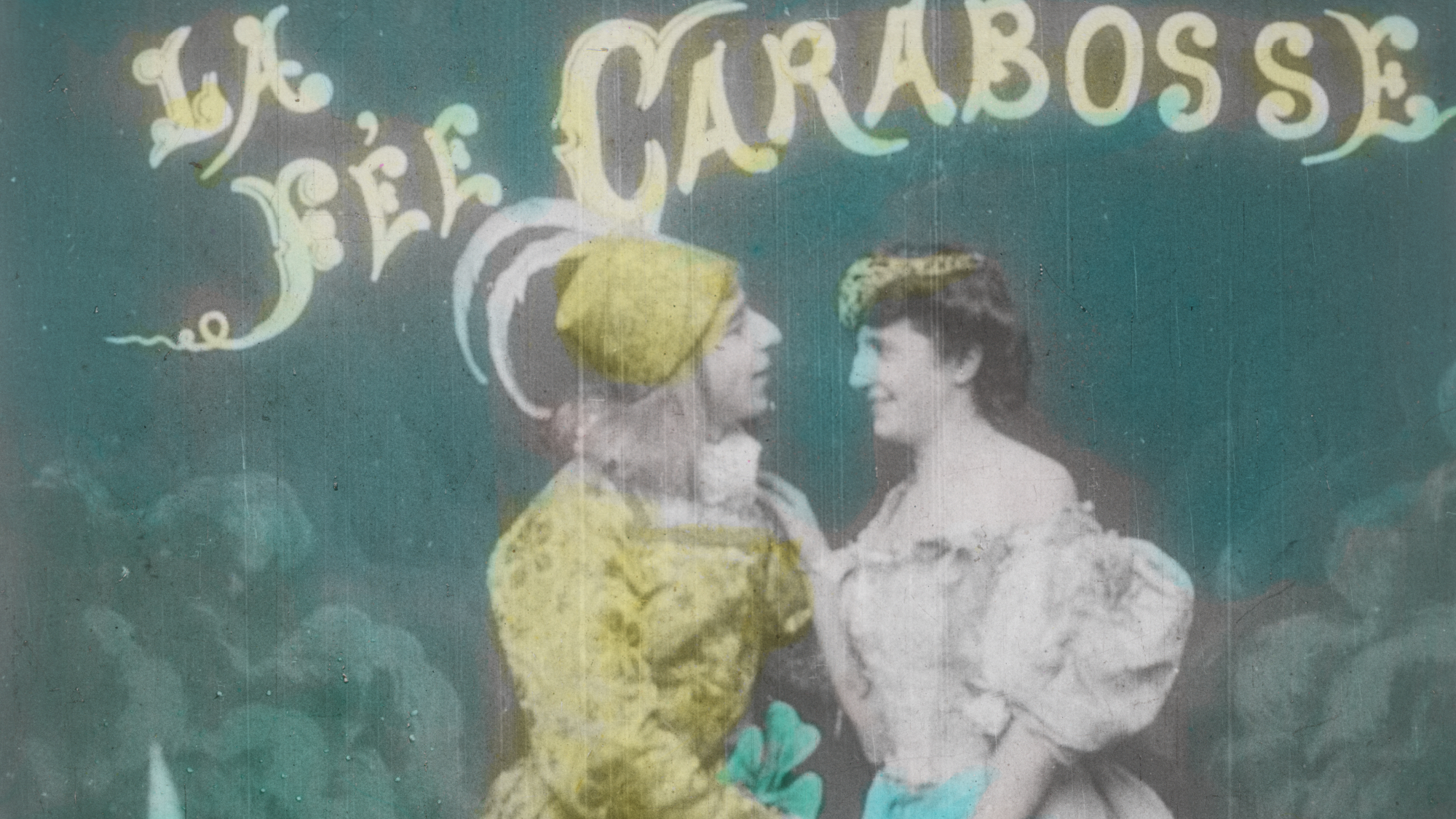
The profits from the cinematograph now exceed those from the phonograph. Pathé invested heavily to meet the fast-growing demand, adding 234 new titles to its catalogue in 1906. Operators were divided into two teams: Studio and Plein Air. Following the departure of Gaston Velle and Charles Lépine, new staff were recruited, including Segundo de Chomón, Hans Theyer, Harry Ray and Edmond Floury. Albert Capellani, who joined Pathé in late 1905, directed a dozen scènes dramatiques et réalistes, of outstanding quality, films that featured fluid narration, a sophisticated interweaving of locations and events, and a conscious use of photogenic beauty in exterior shots. Even in his earliest works, the extraordinary talent of this great director is evident. Capellani set emotional dramas about bereft mothers or seduced and abandoned young women against a rich social backdrop, often in an urban setting. He shot films both in the studio and on location; and among the actors being filmed, he can sometimes be glimpsed skillfully directing crowds of extras. With the opening of Milan, Amsterdam and Barcelona, nine Pathé branches were now operational, with Berlin and New York leading the way. In Paris, the opening of the Omnia cinema at 5 Boulevard Montmartre in December 1906 marked the beginning of film rentals. In order to supply this rapidly growing market, Pathé expanded its Vincennes facilities and the Joinville-le-Pont factory, where an average of 300 copies were printed per day. Another sign of the company’s growth was the arrival of engineers from prestigious universities, including Jacques Marette from the École Centrale.
Stéphanie Salmon