
Film notes
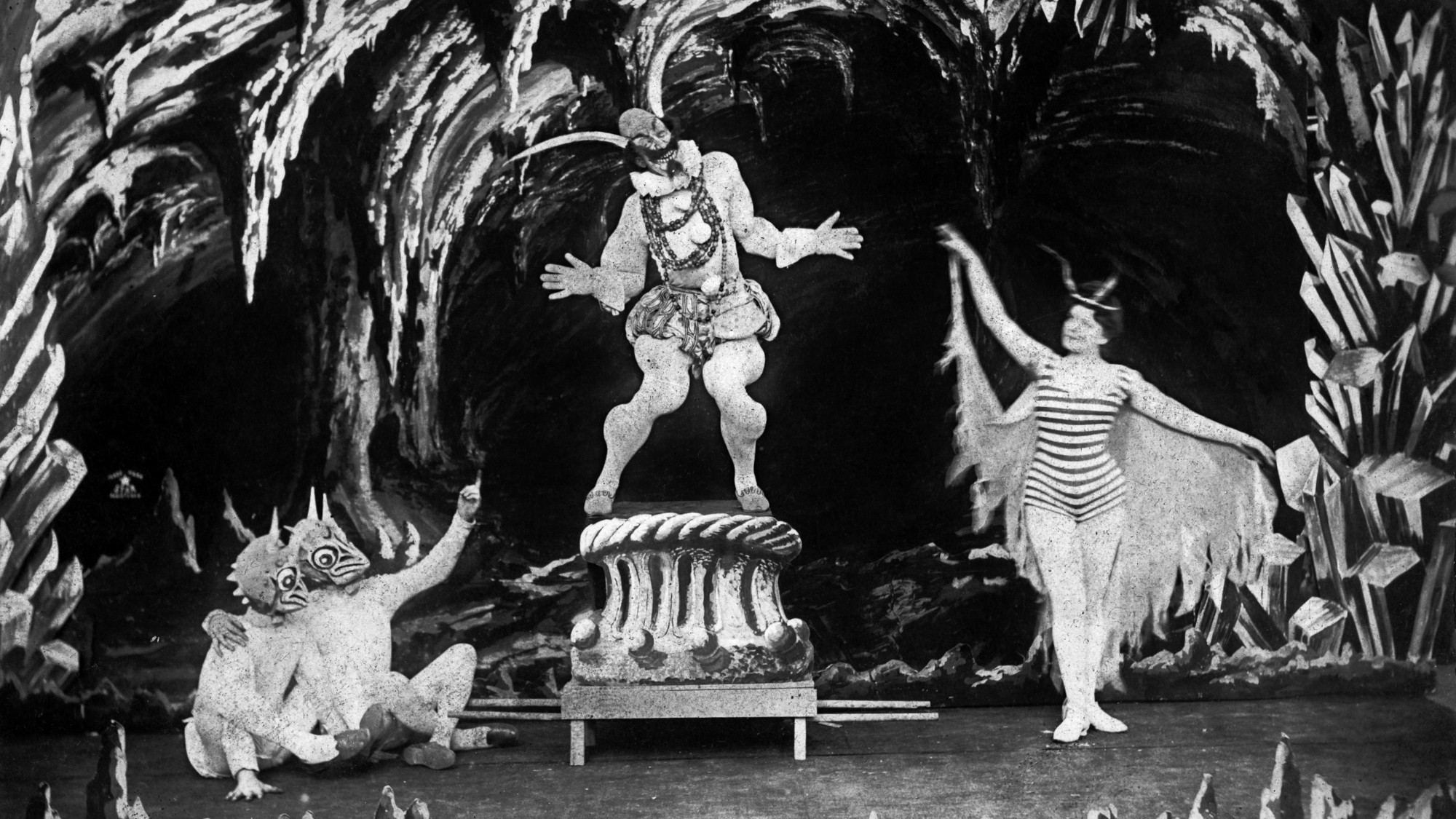
Movement is the quintessence of cinematography. In 1903 the company run by the Lumière brothers who had invented the device able to record movement, was still active in film production but entering into its final phase. The one-shot views started to look old-fashioned to contemporary audiences. But never to us; some of the Lumière views shot in 1903 have the same breathtaking beauty as those from the first years, with the cameramen able to capture movement in an essential way of making movies. With studio work and trick films by magician Gaston Velle relying on transformation and substitution, the Lumière company struggled to keep up with Pathé and George Méliès. In 1903 Velle moved on to Pathé (see his Les Métamorphoses du Roi de Pique in the programme Pathé: Séries de production) where in the coming years he would direct some ravishing féeries. Méliès on the other hand, master of tricks and transformations, was at his peak in 1903, and after the success of Les Aventures de Robinson Crusoe and Le Voyage dans la lune in 1902 raised the bar even higher, creating the most ambitious Star Film production to date, the féerie Les Royaume de fées. His range of special effects, including rolling panoramas, miniature models, pyrotechnics, substitution splices and superimpositions is amazing. The film was distributed in hand-coloured prints, and unlike many other cases, we can still experience this cinematic miracle in colour. Moreover, Méliès also loved dance and used dance scenes in his films to convey speed, movement and euphoria. Even in hell the dancing feet can’t stay still, in a Cake-Walk, the dance craze of the moment in 1903.
Mariann Lewinsky and Karl Wratschko