FESTIVAL 2026
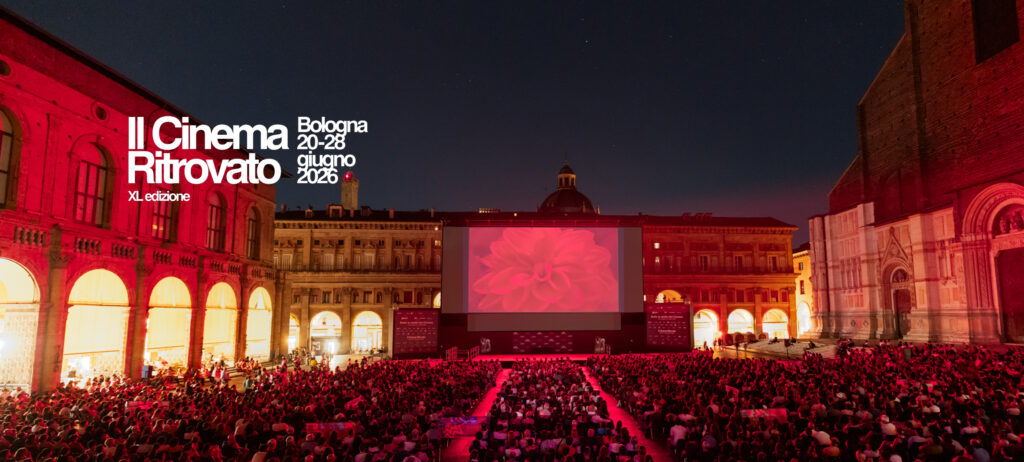
20-28 giugno 2026 – [EDIZIONE XL]
[FILM]

P.: Comerio, Milano. D.: 20’. 35mm.
Storico delle edizioni
In 1913 the music publisher Lorenzo Sonzogno decided to transpose to film the famous theatrical production Ballo Excelsior, written in 1881 by Luigi Manzotti with a score by Romualdo Marenco. The play, which alternates between dance numbers and prose, is an allegorical celebration of modernity: through the development of science and technology, the human race is guaranteed a prosperous and socially progressive future. The direction of the film was entrusted to Luca Comerio, who created an updated version of the 19th century Ballo, substituting the inventions whose praises had been sung in the original, but which had by that time become obsolete, with the latest marvels of modern technology. And this is where Comerio’s genius becomes most evident: to illustrate the most prodigious and innovative technological advances, he spliced in scenes from documentaries he himself had made, seamlessly integrating them in between the choreography and dialogues. Up until recently, it was believed that the only surviving scenes from Excelsior were the dance sequences from the first and second scenes kept at Cineteca Nazionale. However, last November a reel was discovered in the archives of Cineteca di Bologna which contained not only the opening credits, but several fragments of scenes which were thought to have been lost. These fragments included some of the dal vero shots, in particular the one about the Mt. Cenis tunnel and a segment of the final apotheosis.
Giovanni Lasi

“Il film riproduce le scene principali di un allestimento del ballo allegorico Excelsior, già messo in scena alla scala di Milano nel 1881 e da allora più volte ripreso in teatri italiani e stranieri. Il ballo è dedicato alla titanica lotta del Progresso contro il Regresso. È la grandezza della civiltà che vince, abbatte, distrugge l’antico potere dell’oscurantismo che teneva i popoli avvinti nelle tenebre”.
(E.Bernsten, Il Maggese Cinematografico, 10 febbraio 1914)
“L’orchestra è stata ingabbiata in una gabbia colossale completamente coperta. Si sono raggiunti due scopi: ottenere la massima attenzione da parte dell’orchestra, non turbare l’oscurità necessaria della sala. La musica non ne soffre affatto, anzi. Sembra una musica magica che si riproduca da sé, per un incanto. Non si pensa che sotto quel velo, da uno strappo da cui spunta fuori la testa del direttore, il solo che deve vedere, esista la magica fucina del successo”.
(Emilio Rugiadini, La Cine-Fono e la Rivista Fono-Cinematografica, n. 262, 20 dicembre 1913)
Nello stesso anno di Rapsodia Satanica (musicato da Mascagni), Renzo Sonzogno – della celebre famiglia di editori musicali, ma in quell’anno a capo di un’impresa indipendente – produce con la Musicalfilm un film che porta dalla scena allo schermo il famoso Ballo Excelsior di Manzotti, musiche di Marenco, per le riprese di Comerio. Presentato nel 1914 al Teatro Adriano di Roma, il film ottiene un successo strepitoso. (Riccardo Redi, Cinema muto italiano, 1991 CNC edizioni)