The Time Machine
[2026]
We may never before have received such perfect documentaries as those featured in this edition: authentic lessons in cinema, including tributes to James Dean and Marilyn Monroe, two twentieth-century icons whose lives had yet to be explored with such depth, skilfully using images and footage that capture the private lives and performances of these cinema “deities”. The same can be said for the documentaries on Cocteau, Franco-Russian actress Marina Vlady, the extraordinary career of script supervisor Angela Allen, cinema critic Marco Melani, and Pierre Henri Deleau, the visionary behind the Quinzaine des Réalisateurs. Among the documentaries likely to most astonish festival audiences are Rubika Shah’s exploration of Hitler’s men in Hollywood between 1932 and 1940 and David Gregory’s journey into Paris’s Grand Guignol – two shining examples of cinema’s power to bring stories overlooked by mainstream historians to light. The section also includes previously unseen material on Pasolini, the discovery of Croatian documentarian Aleksandar F. Stasenko, two remarkable films by Giuseppe Bertolucci, and the works of the celebrated American photographer Elliott Erwitt – who also proves himself a talented director – further confirming that the American documentary school enjoyed a remarkable creative peak until the early 1980s. And last but not least, some news worth celebrating: high-quality TV programmes about cinema still exist, particularly in France, such as Blow Up and L’Image originelle.
Curated by Bruno Deloye and Gian Luca Farinelli
Gloria. Documentazione cinematografica della Guerra 1915-1918 (1934) d. Roberto Omegna • Wheels of Tragedy (1963) d. Richard Wayman • Pogled U Sumrak (A Gaze into the Dusk, 1967) d. Aleksander F. Stasenko • Beauty Knows No Pain (1971) d. Elliott Erwitt • Pasolini – A Filmmaker’s Journey (1971) d. Carlo Hayman-Chaffey • Miting U Odjelu Iv F (A Meeting in Department IV F, 1972) d. Aleksander F. Stasenko • Red, White & Bluegrass (1973) d. Elliott Erwitt • The Fight (1974) d. William Greaves • Put (The Road, 1977) d. Aleksander F. Stasenko • Panni sporchi (1980) d. Giuseppe Bertolucci • Brighton Beach (1981) d. Carol Stein, Susan Wittenberg • Good Nudes (1983) d. Elliott Erwitt • Orson Welles : L’homme orchestre (Orson Welles: The One-Man Band, 1995) d. Vassili Silovic • Diapo Lynch (2000) d. Nicolas Saada • Hell’s Highway: The True Story of Highway Safety Films (2003) d. Bret Wood • Harlem School 1970 (2018) d. Phil Gries • Jean Cocteau (2024) d. Lisa Immordino Vreeland • Deleau: Le cinéma en liberté (2025) d. Michel La Veaux • James Dean, le nouvel homme (2025) d. Cyril Leuthy • Quand Marilyn chantait pour les GI’s (2025) d. Patrick Jeudy • Theatre of Horrors: The Sordid Story of Paris’ Grand Guignol (2025) d. David Gregory • Voices from the Chorus (2025) d. Ian Christie, Roland Denning • Angela Allen – The Woman Who Saw Everything (2026) d. David Thompson • Blow Up, le webmagazine d’Arte (2026) d. Luc Lagier • L’Image originelle – Wim Wenders (2026) d. Pierre Henry Gibert • The Mad Dog of Europe (2026) d. Rubika Shah • Marco Melani. The Man with the Golden Eye (2026) d. Chiara Seghetto • Marina Vlady, une actrice dans la guerre froide (2026) d. Aude Vassallo
Edition History
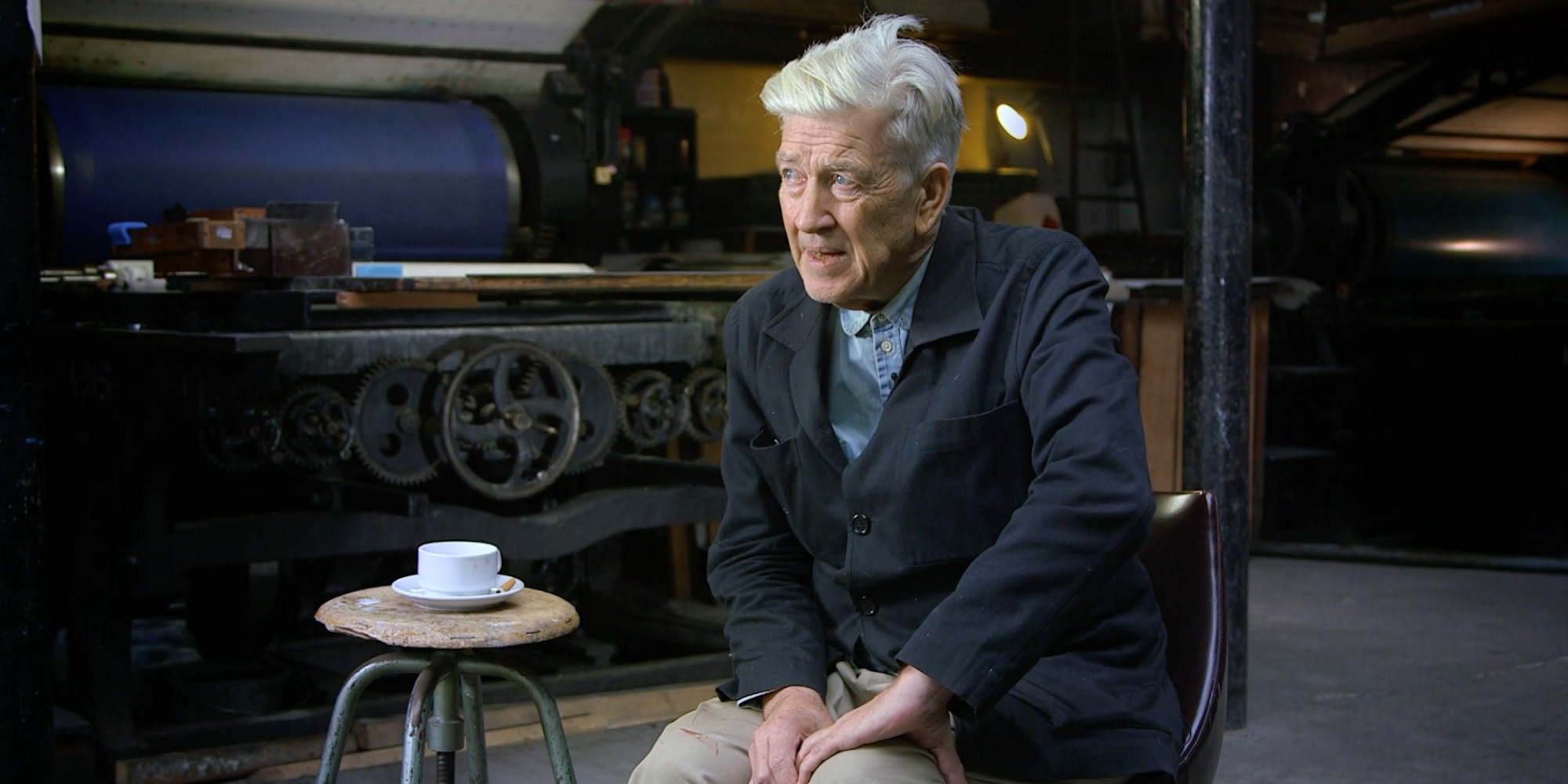
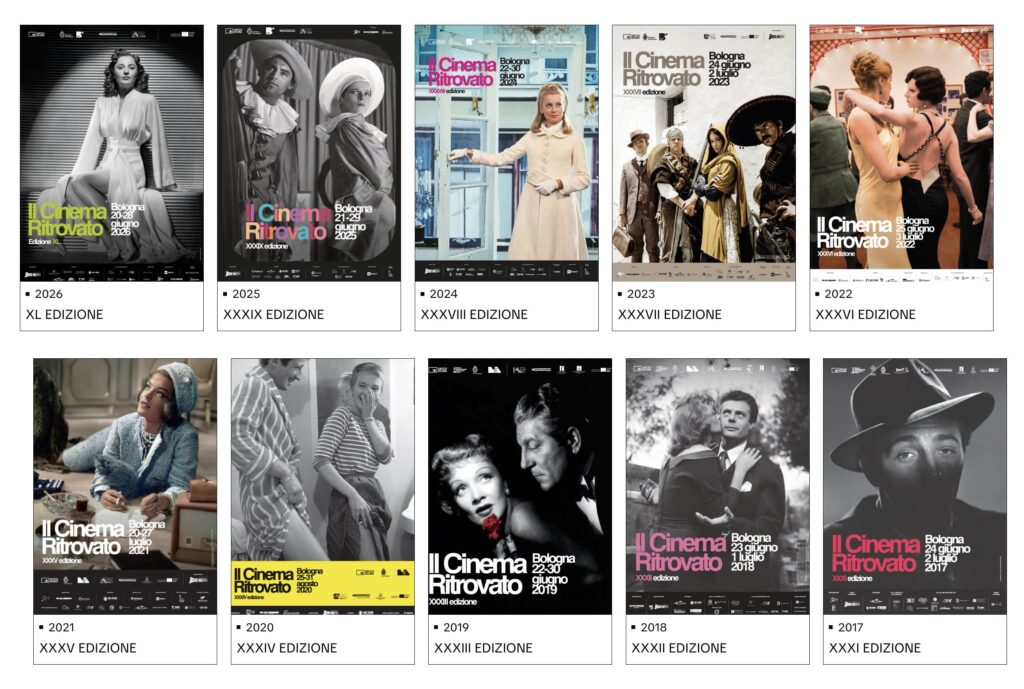
Documentaries about cinema are an important but complex genre, because they have to recount the story of a film, a director, a period, through the language of cinema – a challenge that can by no means be taken for granted. This year’s selection proposes a series of invaluable documentaries, due to both the quality and importance of the documents and their subjects. They range from the flowing and encyclopaedic The Invisible Man, a portrait of Kubrick featuring the voices of those closest to him, to Merchant/Ivory, the story of two artists who gave life to an unrepeatable body of work, capable of recounting both British and Indian culture; there are also shorter but no less intense films, such as portraits of Rohmer (revealed as no one ever managed before), Katherine Hepburn, Gene Kelly, David Lynch, Sergei Parajanov and Buster Keaton, a family portrait by the children and grandchildren of Charlie Chaplin and the fascinating Film Lesson held by Scorsese, who, for an hour, tells us about his work on the soundtracks of his films. Thanks to the work of archives we will have the opportunity to present a number of documentaries that left their mark on the history of cinema but which haven’t been accessible for some years now, such as: Heart of Darkness: A Filmmaker’s Apocalypse, the extraordinary film about the making of Apocalypse Now, Robert Wilson and the Civil Wars, about one of the most legendary theatrical shows of the last century, Camera Arabe, a portrait of a mythical generation of filmmakers to whom we would do well to listen again today, and Location Hunting in Palestine (for The Gospel According to St. Matthew), one of Pasolini’s most beautiful documentaries. We will also have a fascinating portrait of the great poet and director, killed fifty years ago this year, based on never-beforeseen interviews with friends of Pier Paolo that were recorded in the summer of 1998. But perhaps the brightest stars will be the documentaries by Márta Mészáros, François Reichenbach and Cartier-Bresson, and the discovery of what we know today to have been the first neorealist film, Pozzi-Bellini’s Il pianto delle zitelle (1939). A collection of very powerful shorts by master filmmakers who knew how to depict the reality that surrounded them, stories big and small recounted in ways that were human and unique.
Curated by Gian Luca Farinelli
Curated by Gian Luca Farinelli
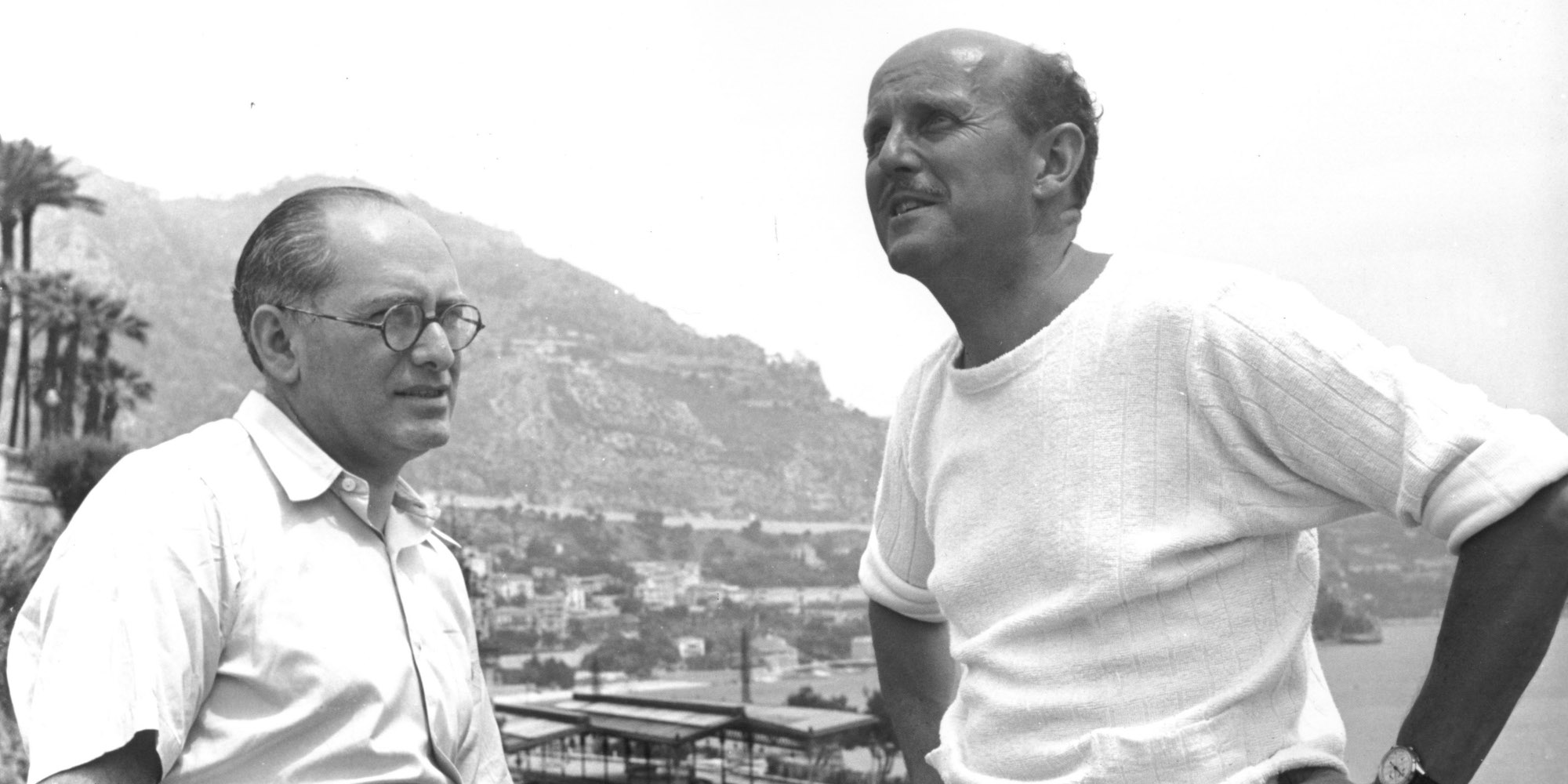
This section devoted to non-fiction films is split into two halves: newly restored documentaries from the past and a selection of the best of recent films made about the cinema.
Documentaries of the past. Here you will find films by celebrated directors who have made documentary history as well as ‘rediscovered’ works by unknown or lesser-known filmmakers who nonetheless deserve a mention in this history. Among the masters we find Stanley Kubrick, with his three early documentaries finally restored, and Wim Wenders, the first European filmmaker to worry about the restoration of his entire oeuvre. We will also celebrate the centenary of the birth of Lionel Rogosin with two powerful film exposés, On the Bowery and Black Fantasy, and two shorts which are among his only fictional endeavours, but which nonetheless adopt an improvisational method.
Among the discoveries and rediscoveries this year is Marin Karmitz whose Coup par coup, a successful experiment in docudrama exposé, demonstrates that he was not only a great producer and distributor, but that in the late 1960s and early 1970s he was also a talented filmmaker. Then there is the anthropologist Luke de Heusch, a disciple of Lévi-Strauss, whose invaluable films shot in the Congo in the early 1950s have now been restored by the Cinémathèque Royale de Belgique. And Nicolás Guillén Landrián, the first Black documentary filmmaker from Cuba, who was persecuted and long forgotten, but has now been rediscovered thanks to the memories of his widow in the eloquent documentary portrait by Ernesto Daranas Serrano. A special mention goes to The Bus, in which Haskell Wexler – who was destined to have a great future as a director of photography – tells of the journey across the US by a group of citizens who wanted to participate in the Freedom March of August 1963. It is a jewel, which reminds us of what democracy is and how cinema can represent it.
Documentaries on cinema. Perhaps as never before, the films selected this year search out new ways of narrating cinema’s past. Even the classic portraits (of Jacques Demy, Henry Fonda, Powell and Pressburger) offer a real critical contribution to our understanding of a group of complex and artists. Similarly, Falso storico, about the way in which images can mislead, and Onde está o Pessoa?, which reveals the infinite riches of a film shot in Lisbon in 1913, constitute proper essay films. Cinégraphies, les femmes de la tempête, on the other hand, admirably traces the threads of a creative relationship between filmmakers who on the surface appear very different. Burning cinephilia and a passion for collecting are at the heart of very personal works such as Celluloid Dreams and Film Is Dead. Long Live Film!, while the search for new solutions is evident in a series of documentaries made for television: L’Image originelle, which employs a valuable approach in which individual directors recount their film debuts, and Le Siècle de Costa-Gavras, in which the work of the Greek-French filmmaker provides a way to consider the broad themes of the 20th century. Finally, there are four documentaries that permit us to better understand two of the protagonists of this year’s Cinema Ritrovato, both of whom are equally complex and mysterious: Marlene Dietrich and Sergei Parajanov.
Gian Luca Farinelli
Curated by Gian Luca Farinelli
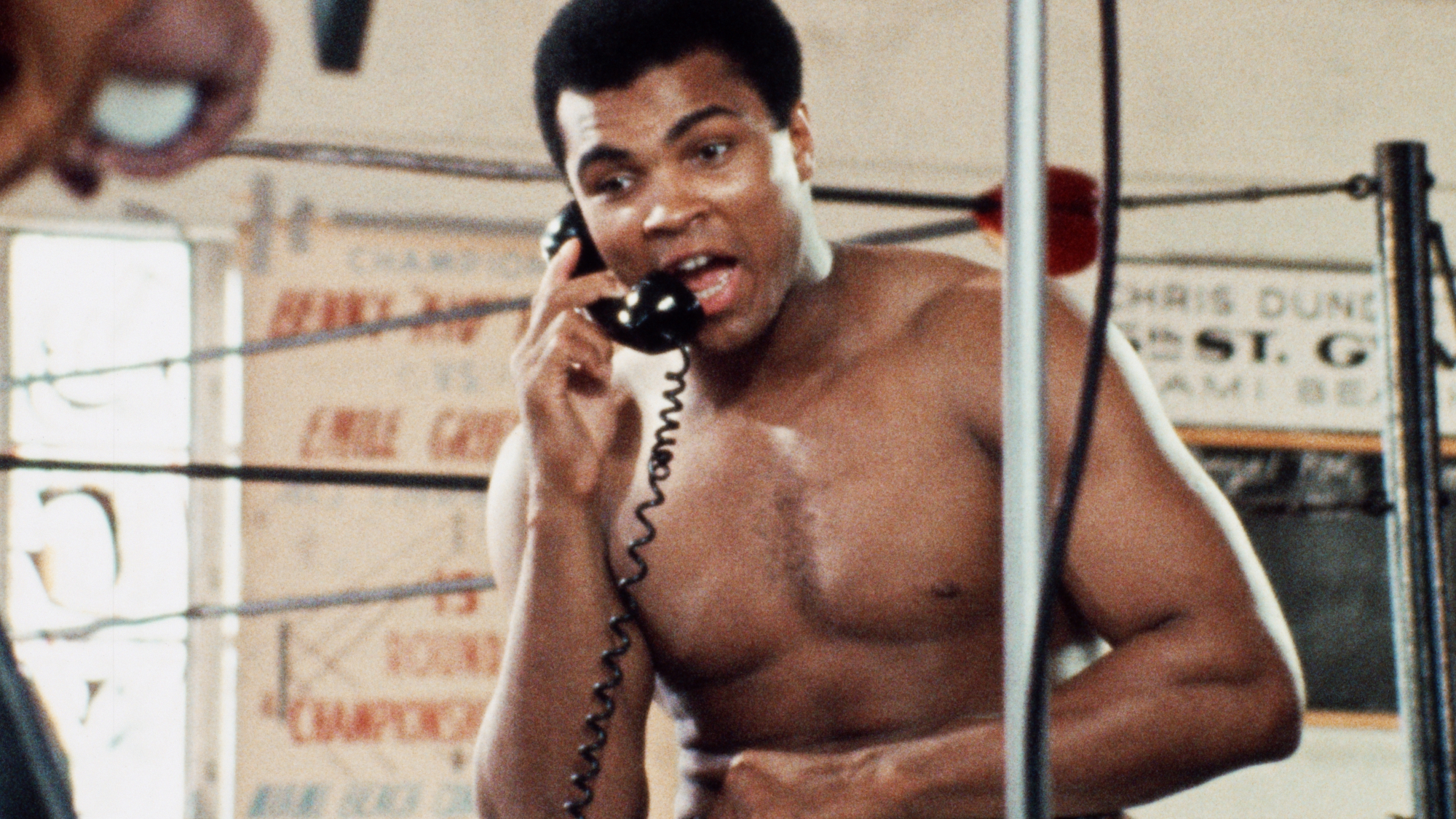
This year’s selection demonstrates the expanse and range of the documentary genre, the value of its past and the possibilities of its present. It brings together works apparently very different from one another, such as Carmelo Bene’s invaluable final film, a master filmmaker’s record of Greenaway’s confessions, a short on the manufacture of matches, or one of the greatest documentaries on a sporting event ever made…
By following the programme, you will learn that sometimes a documentary filmmaker has to make a will before heading off to shoot a film. Barbet Schroeder did so before travelling to Uganda to interview the bloodthirsty general Idi Amin Dada for a unique record of the madness of power. Michael Roemer did not make one when he landed in Palermo in 1964 to shoot Cortile Cascino, a disturbing portrait of a district held hostage by the mafia; the film was so explicit that NBC chose not to broadcast it and it remains virtually unknown in Italy even today. Who knows whether the legendary Yugoslavian newsreel cameraman Stevan Labudović made one when Tito sent him to film the anti-colonial struggle in Algeria in an attempt to use images to forge the international consensus necessary for its liberation. These were years in which the cinema could do anything, as the young filmmakers Darius Kaufmann and Eytan Jan reveal while searching for the faint traces of the past in modern day Cuba.
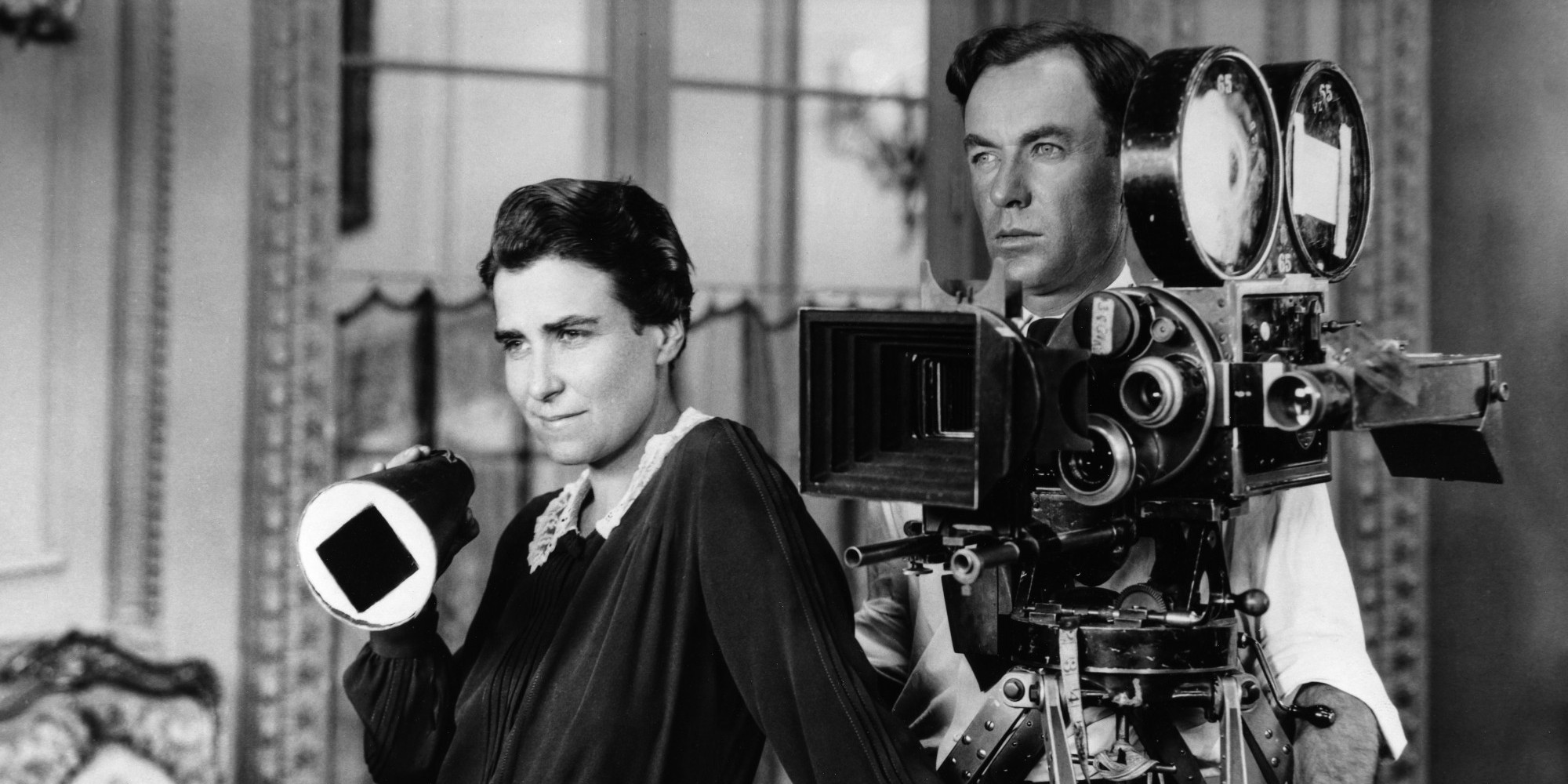
The core of this selection are the documentaries, new and old, on the biggest social revolution of the last century: the woman’s movement. We present three luminous biographical portraits pertinent to this theme: Antonia Brico, the first woman to conduct the Berlin Philharmonic; Dorothy Arzner, the only female filmmaker in Hollywood between 1927 and 1943; and Agnès Varda, the adventurous director, artist, photographer and activist. Monica in the South Seas is a miraculous film which reconstructs the origins of both the documentary genre and Flaherty’s life, drawing on the archives of his daughter. If you think that the Oscar always goes to a film that doesn’t really deserve it, then you will need to think again when you watch Down and Out America, on the home-less in the era of Reaganomics, or The Celluloid Closet, which retraces homosexuality’s unstoppable rise to mainstream visibility. Those filmmakers responsible for documentaries on cinema this year break new ground: Ian Christie, for example, with a film essay on Sergei Eisenstein’s Mexican period, or Alain Agat who takes us back to the height of the colonial era in the early 1930s to examine three outlier filmmakers under a completely new light. Meanwhile the fluid gaze of Enrico Ghezzi and Godard’s three legendary Canadian lessons take us to the very heart of a reflection on cinema.
If, on the other hand, you want to discover what a cinema is, you must not miss the overwhelming documentary on the mythical London cinema, The Scala, or the documentary on Cinéma Laika, which Kaurismäki opened in Karkkila. It is worth quoting that film’s ending: “So what is a cinema? It is a place where you can recreate an image of the world in order to combat oblivion”.
Gian Luca Farinelli
Curated by Gian Luca Farinelli
It is a great privilege to see so many new documentaries each year as they remain a compelling source of discovery and emotion. Making a film is a difficult undertaking that requires months, even years of work, but to make a film about cinema requires something more: humility, putting yourself at the service of another director or artist to tell their story and capture their uniqueness. Documentaries about films are special acts of love, as in the case of a lover who puts all her or his energy into making the loved-one known and understood.
This year in the One Hundred Years Ago section, we are showing the precursor of the auteur documentary, Nanook of the North by Flaherty. The line separating documentary from other forms of cinema is as blurry today as it was in the past, and this section makes many border crossings. For instance, it features a film by a great photographer, Bruce Weber, about another great, recently ‘rediscovered’ photographer, Paolo Di Paolo, as well as two miraculous rediscovered shorts by Agnès Varda, a master of obscuring the boundary between documentary and fiction. The section is divided into three themes that address the very essence of cinema: language, creation and the reuse of archival materials.
Language. At the 1982 Cannes film festival, Wim Wenders invited friends and colleagues to discuss the present and future of cinema in his hotel room. It is remarkable testimony, a ground zero for understanding where we are and what has happened in the past 40 years. In 1978, Gideon Bachmann made a documentary about political cinema in Rome when filmmakers were seeking a new language that could also be a political weapon (hence the dazzling title, A Camera Is not a Molotov Cocktail, quoting Bernardo Bertolucci’s words in the film’s opening scene). Seven years in the making, Mitra Farahani’s À vendredi, Robinson is a dialogue/non-dialogue between two masters of visual experimentation, the almost centenarian Ebrahim Golestan and the 91-year-old Jean-Luc Godard, in what is perhaps one of the most beautiful and recent reflections about film. The two Robinsons, who survived the death of cinema and the choice of not talking (to each other), are filmed by a young director who knows how to connect them using the cinematic languages they gave us.
Creation. Luis Buñuel, Jacques Tati, Eadweard Muybridge: three utterly unique filmmakers are honoured in three personal films, three crucial and inimitable perspectives. Yves Montand, Maurice Chevalier and Leila Diniz: three extraordinary actors/singers who played roles that represented a society and a time, and whose vitality and talent are still intact today.
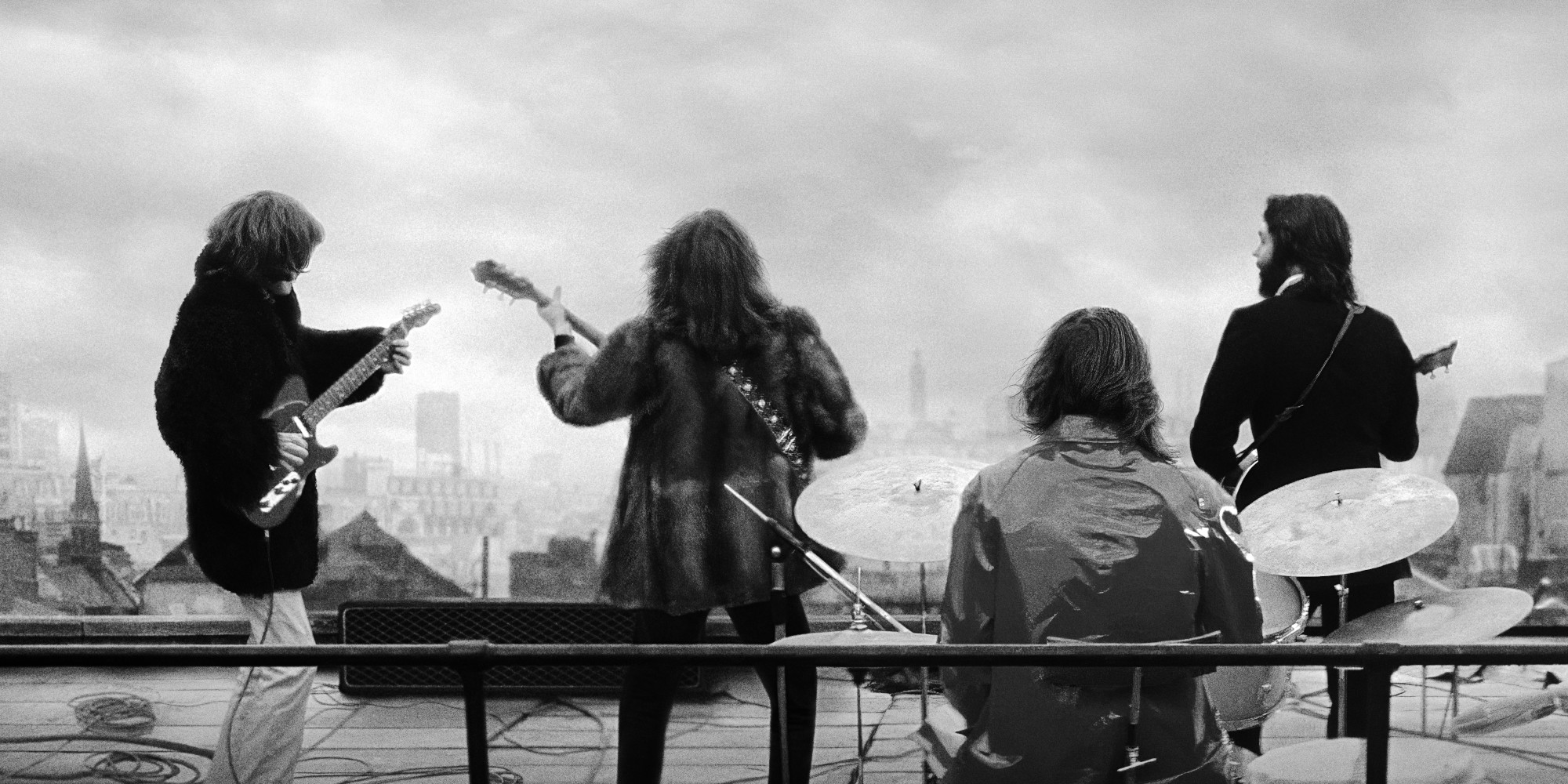
Glory to the archives. Three unique films illustrate the cultural wealth we have inherited from the 20th century and how new and different works can be made with archival images. With Get Back Peter Jackson gives us a unique insight into the greatness of The Beatles right at the end of their creative journey. Bill Morrison masterfully reuses the fragment of a lost film in Her Violet Kiss. André Bonzel’s J’aime à la fureur reveals how amateur films made by others can contain our lives as well and delivers a powerful message in this era of worshipping the self: cinema is the art of Us!
Gian Luca Farinelli
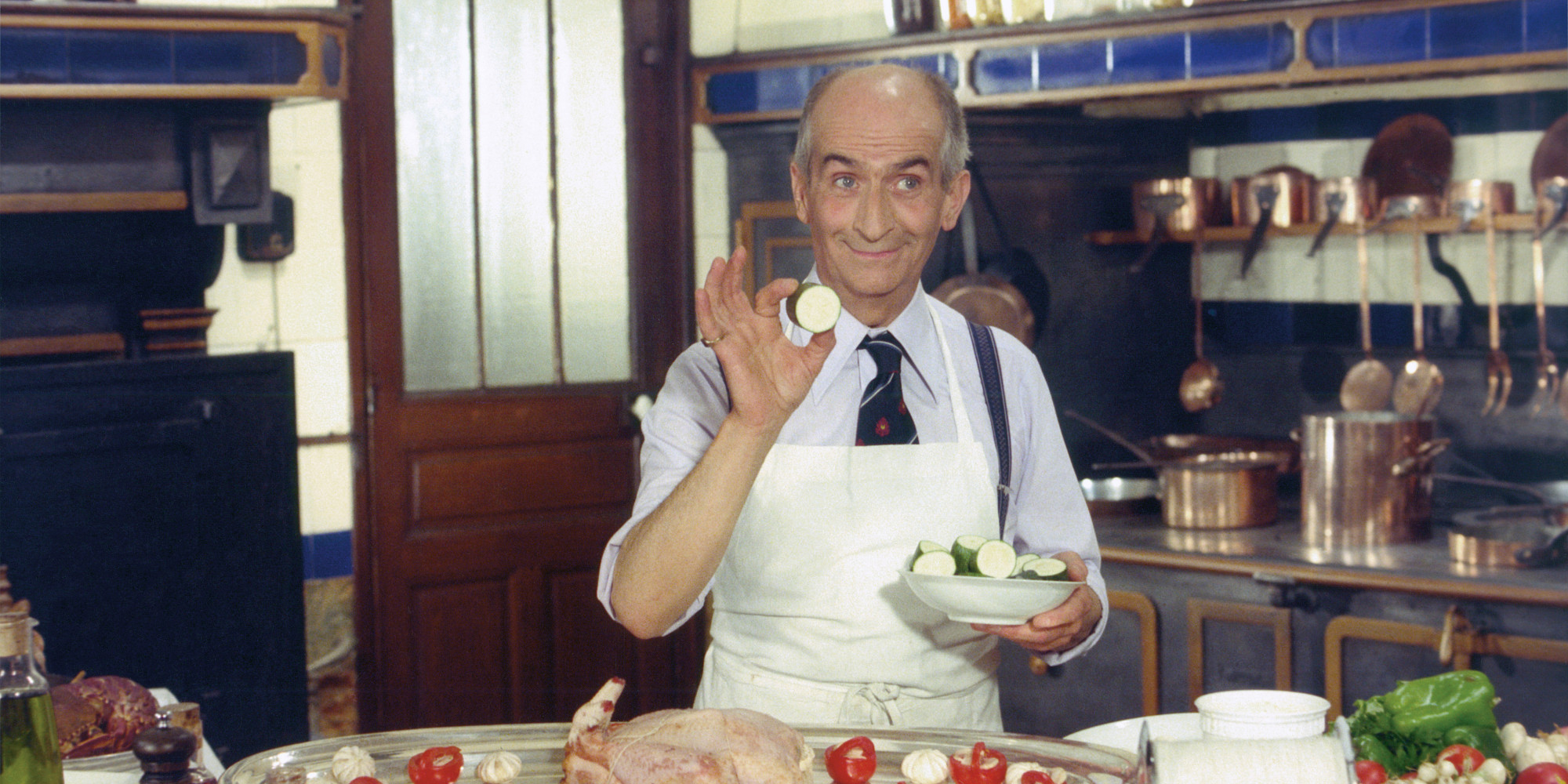
Curated by Gian Luca Farinelli
I have never seen so many documentaries as this year. The explosion of this genre could have been because of the pandemic, which gave me more time to view films. The fact remains, though, that this year we received a staggering number of documentaries from around the world, most of which will have a hard time finding international distribution. Even if the distribution of film through various platforms has grown vastly and is potentially infinite, I want to start by making this point because independent movies continue to be mostly invisible, and festivals – at least pioneering ones – are essential to seeing and learning about documentary cinema.
Let’s begin with the history of cinema. For years we have been showing Lionel Rogosin’s films as his work is gradually restored. Every year we’re surprised by his brilliant craft and his straightforward way of narrating the great problems of the 1900s. Along with his marvellous film Woodcutters of the Deep South, we are presenting a documentary made this year by his son Michael, Working Together, which demonstrates how his father’s work illuminates the great social and political issues of today.
Last year we travelled a lot less, so we are offering a strand of travel films, together with the perspectives of great Italian directors of photography, Massimo Terzano and Mario Craveri, as well as an outsider, Mario Fantin. Works made at a time when the word ‘exploration’ still had meaning and film was a tool for transforming once-in-a-lifetime journeys and adventures into history.
It was not easy to choose from the many different documentaries about filmmakers we were offered. Two (about Chaplin and Cimino) stood out due to the sheer amount of work completed by Aymé, Jeuland and Thoret. It is surprising to see in our standardised times that unconventional films can still be made: real critical and personal views of film history pioneers. The documentaries on Micheaux, Farrow, de Funès, Eisner fill in important gaps and could not go missing from a festival that has exploration of new terrain written in its DNA. The portrait of Anthony Hopkins brings us closer to one of the greatest and most enigmatic contemporary actors, while the documentary on Montand-Signoret and Monroe-Miller is a compelling story brilliantly told through images.
The compilation films by Nico Naldini, Peet Gelderblom and Bill Morrison (masters are not only from the past) demonstrate how cinema produces more cinema, but also how the art of reuse depends on an immense amount of research, selection and reconstruction.
Two restorations (F for Fake and Fluchtweg nach Marseille) enrich this section with how they stretch the limits of the genre, blending documentary with fiction, in order to deal with two important issues. After all, isn’t the documentary the first form of fiction in film?
Gian Luca Farinelli
Programme curated by Gian Luca Farinelli
Every year, working on the selection of ‘ancient’ and modern films for this section I am overwhelmed by the beauty and courage of documentary cinema. What can you say, for example, about Sepa, which was made in 1987 by one of the producers of Fitzcarraldo, Walter Saxer, who had been bowled over by the Amazon forest, where he discovered the freest prison in the world. It is a film full of liberty and a utopian desire that leaps from the screen to overwhelm us inhabitants of an age that seems to have forgotten the meaning of the word utopia. How can you not be astonished by the vitality of FTA, a film that demonstrates how pacifism can be not only the right action, but also a brilliant one too. And how can you not be happy to discover that almost half the films we are presenting here were directed by women? Above all, after seeing the beautiful documentary I Am an Ox, I Am a Horse, I Am a Man, I Am a Woman, which Sally Potter dedicated to the women of Soviet cinema. One of the protagonists, Nana Gogoberidze, recounts that in order to pay her a compliment, male directors said “you have made a really masculine film”… In less than an hour, the portraits of Jane Birkin and Jane Fonda manage to give us the artistic and revolutionary dimensions of these women, who put their artistic careers at the frontline of battles for civil rights. The documentary on Isabelle Huppert leads us into the depths of an actress who distils her every performance. And the two medium-length films on Giuditta Rissone and Mara Blasetti make us understand how difficult it was for a woman to make cinema in Italy between fascism and the postwar years. No less significant are the portraits of Charles Aznavour, Tonino Delli Colli, Don Rugoff, Jia Zhang-ke, Jean-Pierre Melville and Volker Schlöndorff, each of which is the product of a complex process, a real battle between the directors of these documentaries and the protagonists of their films. Speer Goes to Hollywood, by the Israeli director and journalist Vanessa Lapa, is a lesson in how to turn the history of the 20th century into an extraordinary film using nothing but archival material. Thanks to Ehsan Khoshbakht, I discovered Cuadecuc, vampir by the immense Pere Portabella and The Negro Soldier. Even if Stuart Heisler had only made this film he would deserve to be remembered as one of the great Hollywood directors – of that Hollywood that stands in front of American society bears the ideals of renewal and of great civic values. Thanks to the work of Cinemazero, whose Gideon Bachmann archive is an endless source of precious testimony, this year we can see three interviews, with Liliana Cavani, with the Taviani brothers and with Fellini. Further confirmation that nobody portrayed the greats of Italian cinema like this journalist, this cineaste-anthropologist. On the other hand, in the category of impossible films I would like to insert Fellini degli spiriti by Anselma Dell’Olio, which managed to recount the other side of Fellini: Federico the artist of life, who nourished Federico the artist of the cinema.
Gian Luca Farinelli
Programme curated byGian Luca Farinelli
Today, more than ever before, cinema and its history are told through a growing number of documentaries and inspiring new films: Quentin Tarantino’sOnce Upon a Time… in Hollywood and Peter Jackson’sThey Shall Not Grow Old are the most sensational examples. With restored works and discoveries made in archives, in this section we are presenting the best of documents and documentaries of the past and the most interesting documentaries about film made in recent months.
Current films include a number of moving portraits, of figures including the forgotten director Rino Lupo, Jean Gabin and Dario Argento; also the statesman who loved cinema, Winston Churchill; and the master of animation, Jiří Trnka. There are also four great stars (Musidora, Anna Magnani, Claudia Cardinale and Romy Schneider) who portrayed on film strong female characters that asserted their own identity and freedom. Speaking of freedom, we are paying tribute to Agnès Varda, who decided to end her journey as an artist with a self-portrait full of insight and humour (Agnès par Varda), and to Cecilia Mangini, a great humanist and filmmaker, who will be at the festival presenting the restoration of herEssere donne.
Our rediscoveries of the past include Jack Hazan’sA Bigger Splash, a stunning portrait of the artist in which David Hockney literally reveals everything; Elia Kazan as you have never seen him before in the work of André S. Labarthe and Annette Michelson; a compelling episode of the Dick Cavett Show with Peter Falk, Ben Gazzara and John Cassavetes; a trippy interview with Sterling Hayden; and a profound and poetic portrait of one of film’s great artists, Bernardo Bertolucci, on the set of Partner. We also have a commissioned film,O pão, in which Manoel de Oliveira masterfully captures the odyssey of bread and man, reconstructing the dialogue between humans and the earth, between God and the seasons.
Encounters with the history of the 20th century is the other theme running through the selected films, starting withCrisis: A Film of a Nazi Way with which Herbert Kline tried, in 1939, to open the American public’s eyes to Hitler’s true objectives.InWhat We Left Unfinished the young filmmaker Mariam Ghani opens the doors of the Afghan archives and shows us unfinished films made during the ‘Soviet’ years. There are two ‘impossible’ documentaries: The Memphis Belle: A Story of a Flying Fortress, made by William Wyler, risking his own life, about a heavy bomber in action over Germany in 1944, andArab Israeli Dialogue (Lionel Rogosin, 1974), both of which inspired Erik Nelson and Michael Rogosin to make two new documentaries.
Thanks to a partnership with Cinemazero, this year we are also inaugurating theGideon Bachmann Project with the finest documentaries ever made about Fellini. We will also be screening two ‘mockumentaries’ by the great director from Rimini:Fellini: A Director’s Notebook andThe Clowns. Federico believed that documentaries needed fiction to fully capture the intensity of reality. Fifty years later, Martin Scorsese seems to be sending us a similar message with his dazzlingRolling Thunder Revue: A Bob Dylan Story.
Gian Luca Farinelli
Programme curated by Gian Luca Farinelli
Within this year’s rich selection are twenty documentaries, which can be neatly divided in two: films about filmmakers and films that deal with social and historical themes of the Twentieth century. Nearly all have links with other sections in the programme, constituting an important counterbalance.
Les Stucky, une fortune à Venise deals with a little known piece of history: that of the Stucky family, a father, son and grandson who go from being millers to ‘the last Doges of Venice’. The films of Giancarlo Stucky, produced with one of the first amateur film cameras, present early Twentieth century Venice as it has never been seen before. In Come vincere la guerra Roland Sejko tells of the American troops’ arrival in Italy in 1918 and of a new way of making propaganda, with cinema as its centrepiece. A recent film, Grace Winter and Luc Plantier’s Marquis de Wavrin, du manoir à la jungle, and two classic documentaries of the Twentieth century, Marc Allégret’s Voyage au Congo (1927) and Chris Marker and Alain Resnais’ Les Statues meurent aussi (1953) reveal the evolution of the Western colonial gaze and how far we still have to go before our way of thinking is completely decolonised. Ma vie en Allemagne au temps de Hitler (2018) and Lights Out in Europe (1940) feature impressive images of a Nazi bombardment of civilian trains in Poland and of Londoners scrutinising the skies and reinforcing their houses with sandbags. They also make it clear that, in the late-Thirties, public opinion and the ruling classes had all the information necessary to know what was about to transpire.
La Seine a rencontré Paris deeply moved me, with its beautiful images and lengthy one-shot sequence, which skates from the countryside, through the suburbs and into the city, right up to the centre of Paris. Joris Ivens’ gaze captures people sheltering on the banks of the Seine to eat, sleep and love. A sort of no man’s land of freedom is created in a space suspended half-way between the city and the river and only the poetic eye of the film camera is able to capture it. To help us understand 1968, we present a selection of Cinétracts and two documentaries on the events that transpired in France in May: L’Île de Mai, which features footage shot during those days in which it appears as if things were really about to change forever, and Cannes 68, révolution au Palais. They can be considered mirror images of one another. The creative freedom unleashed that year appears to resurface twenty years later in the thirteen episodes that Marker shot for television, L’Héritage de la chouette. They are amazing for the way he combines documents, film clips and lines of reasoning in striking ways. We will screen the first three episodes, but be warned: they are addictive!
Three documentaries on actors (Marcello Mastroianni, Douglas Fairbanks, Sidney Chaplin), three on directors (Bergman, Güney, Giuseppe Bertolucci), and one on a critic (André Bazin) and what should have been his only film. Each work is the result of a lengthy process of research and reveals something new about the artist it focuses on; each uses the cinema not as mere illustration, but as a form of language.
Gian Luca Farinelli
Programme curated by Gian Luca Farinelli
While cinema is today facing a creative and production crisis, documentary is enjoying a moment of great success, but also of great banality. For cultural and aesthetic reasons – but also because it is cheap, can be made quickly and is open to anyone – documentary allows very topical issues to be addressed with great ease. You will not find any of this in this section, which instead brings together works that have made documentary history – urgent and precious films, sometimes so complex that they were never finished.
This year there are many works from the Sixties. The oldest and one of the least known and most surprising is Mitt hem är Copacabana, by the greatest Swedish documentary filmmaker, Arne Sucksdorff. It is hard to understand how such a film could have been made, with Rio de Janeiro and a group of street kids as its protagonists. Sucksdorff is a master at filming children. Films like this – of which I was personally completely unaware – make you very happy, because they confirm that the best films are still waiting to be seen, but also that there is no justice, even in the cinema.
Jacques Rozier’s two shorts Le Parti des choses: Bardot et Godard and Paparazzi are among the greatest ‘making of’ documentaries even filmed, the product of a master at conveying the joy of the moment, the interstices of life, that which the cinema normally overlooks. Four protagonists of the early Sixties as you’ve never seen them before: BB, JLG, the paparazzi, the fans.
Gideon Bachman also moves along such impossible lines in order to make Jonas, which transforms what could have been an impossible documentary on the icon of New York underground cinema, Jonas Mekas, into one of the most surprising and creative films ever seen, in which the act of portraiture results in a film as free and creative as Mekas’ own works. Everything is perfect and enchanting: the opening and closing titles designed by the director himself; the words spoken by the English-Lithuanian protagonist; and the general climate of the times he shared with Allen Ginzberg, Norman Mailer, the Chelsea Hotel, the events of ’68, the Big Apple.
Monterey Pop is the first rockumentary. The photos published in this section showing the film’s cameramen – some of whom are among the greatest documentary filmmakers of all time – gives a good idea of the extent to which Pennebaker’s film was about a decade ahead of its time, for the way in which it was shot live in order to document such an epochal event.
Salesman, by the brothers Albert and David Maysles and Charlotte Zwerin, on the other hand, deals with ordinary people – door-to-door bible salesman – and solves cinema’s greatest challenge: how to recount ordinary life in a film. Rossellini’s Beaubourg is an enigma. How is it possible that the master of Neorealism’s final work, which tells of the opening of the most important cultural space dedicated to contemporary art in the past forty years, has remained buried for so long? Personally, I subscribe to the example of the Lumières and believe that cinema and photography are close relatives. Bruce Weber, one of the few greats of contemporary photography, demonstrates this with his films. Let’s hope that the screening in Bologna of Nice Girls Don’t Stay for Breakfast will put this precious portrait of Robert Mitchum back into general circulation.
Andrei Ujică’s Out of the Present narrates the adventures of the astronaut Sergej Krikalëv, who returned to discover that the nation that had sent him into space, the Soviet Union, no longer existed. It is the first time 35mm was used in space and, like Il Cinema Ritrovato itself, the film constitutes a journey through both time and space.
I chose the seven documentaries of the present for the way in which they managed to present fairly well-known moments in the history of cinema not solely by giving us previous information, but also and above all by bravely venturing into new and unexplored stylistic territories. How Archibald Alexander Leach became Cary Grant; how Antonioni was able to translate the novelty of swinging London into a sublime film; how to tell the story of Salles Gomes, the founder of the Brazilian Film Archive and the first scholar and restorer of Jean Vigo’s work, using only the few frames of film available; how Dennis Hopper became one of the most free artists on the contemporary scene; how to convey the feverish vitality of the first African film archive, in Algiers; how to depict a critic with complex views like Jean Douchet without simplifying his ideas.
One section, focusing on legendary cinemas, overturned many of my certainties and even forced me to speak well of a Tv series. We will show Rêve au Tuschinski, which is dedicated to the marvellous cinema in Amsterdam, the dream of an emigrant swept aside by Nazism. A moving documentary, thanks also to the presence of Max von Sydow.
Documents and Documentaries also spills over into two other sections of the festival: those dedicated to Nicole Vedrès and Bill Morrison. Nicole was the first person to take images conserved in the archives and transform them into new films; Bill was the one who took this technique to its highest level. Two filmmakers who knew how to transform forgotten documents into works of art. And on the subject of the border between cinema and art – Visages Village is not a film, but a metaphor on how to view the future.
Gian Luca Farinelli
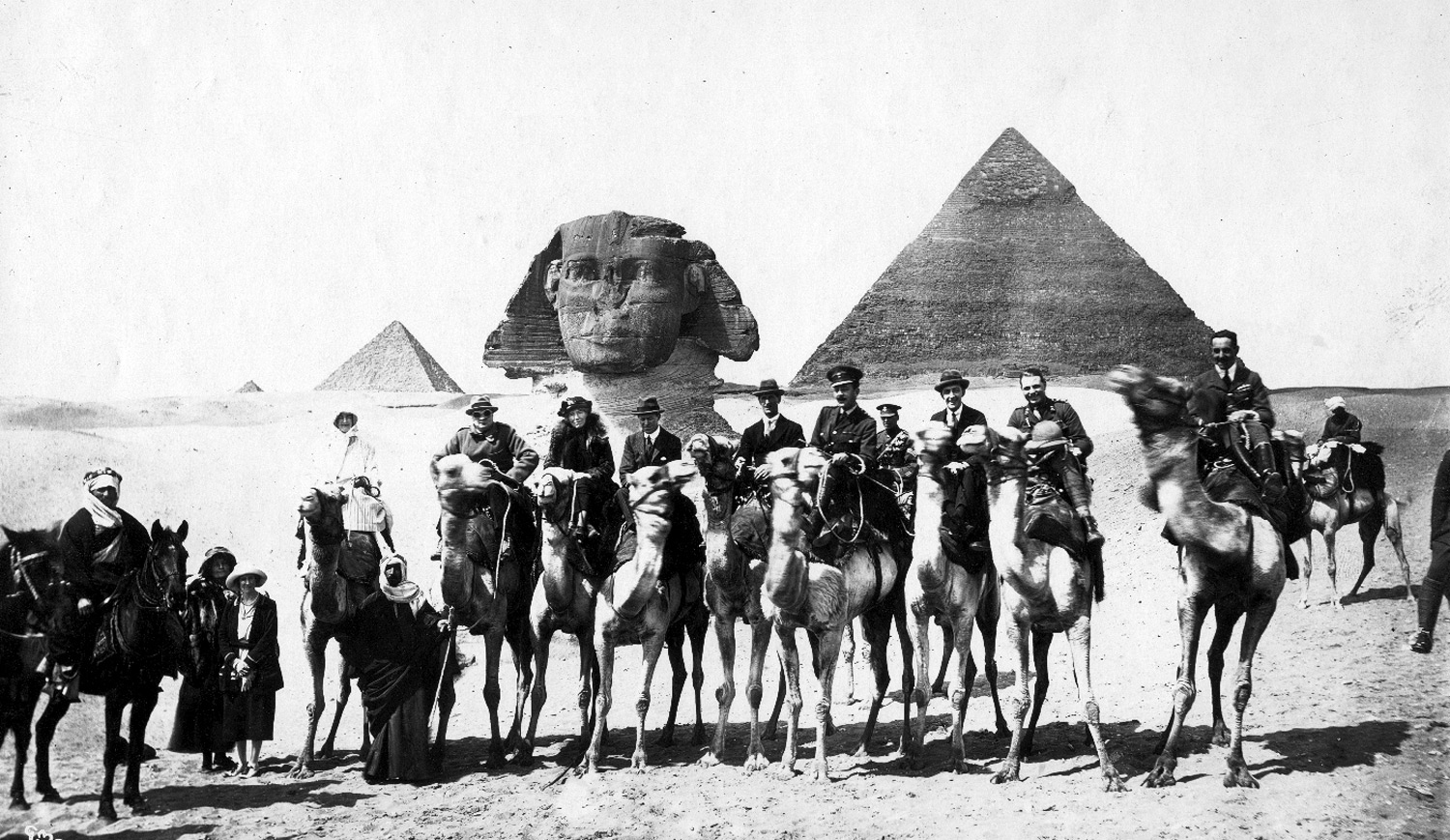
Cinema that tells the story of cinema, investigates its past and the figures that have made its history: from the pioneer of trick films Segundo de Chomón to a visionary filmmaker like Nicolas Roeg to Volker Schlöndorff’s 1970s portraitinterview of dancer, cabaret artist and actress Valeska Gert. Straight from the Cannes Film Festival, a journey into French cinema made by director and cinéphile Bertrand Tavernier. The documentary as a means for reflecting on the past and the present: with rare archive materials Letters from Baghdad takes us back to the Middle East of the early 20th century. Finally, the Coppola Family under a magnifying lens. And a portrait of the festival’s forever best friend, Peter von Bagh.
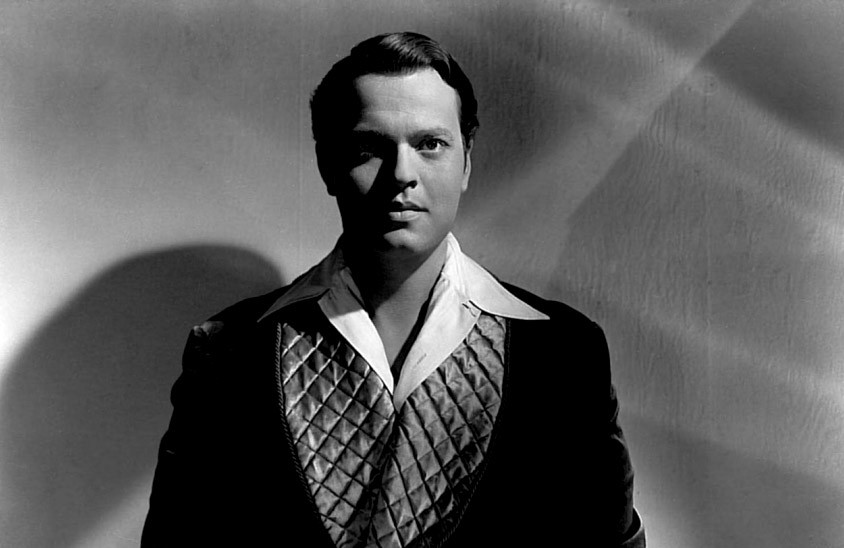
The cinema as a crossroads of cultural and social history, past and present. Portraits/investigations into great figures of auteurship such as Orson Welles, Ousmane Sembène, Serge Daney and Jean-Luc Godard. The history of post-war Italian Cinema retraced through Giulio Andreotti and images shot in Afghanistan and India at the end of the 1930s by one of the great explorers of the 20th Century, Ella Maillart.
To complete the programme, two extraordinary documents about the Second World War. German Concentration Camp Factual Survey, an English film from 1945 intended to make Germany comprehend the perverse mechanisms of the extermination, but which was then forgotten about when the Cold War suddenly changed the balance of world power. The Memory of Justice (1978) by Marcel Ophüls, a lengthy documentary dealing with the Nuremberg war crime trials and a collage of forty or so interviews analysing totalitarianism.