[MOVIE]
T.l.: La tentatrice R.: Fred Niblo, Mauritz Stiller. S.: dal romanzo La tierra de todos di Vicente Blasco Ibàñez. Sc.: Mauritz Stiller, rimaneggiata da Dorothy Farnum. F.: Tony Gaudio. M.: Lloyd Nosler. In.: Greta Garbo (Elena De Torre Blanca), Antonio Moreno (Manuel Robledo), Marc MacDermott (banchiere Fontenoy), Roy D’Arcy (Manos Duros), Lionel Barrymore (Canterac), Armand Kaliz (marchese Federico De Torre Blanca), Alys Murrel (Josephine), Steve Clemento (Salvadore), Roy Coulson (Trinidad), Robert Anderson (Pirovani), Francis McDonald (Timoteo), Hector V. Sarno (Rojas), Virginia Brown Faire (Celinda), Inez Gomez (Sebastiana). P.: Metro-Goldwyn-Mayer. L.: 2651m. D.: 93’ a 24 f/s.
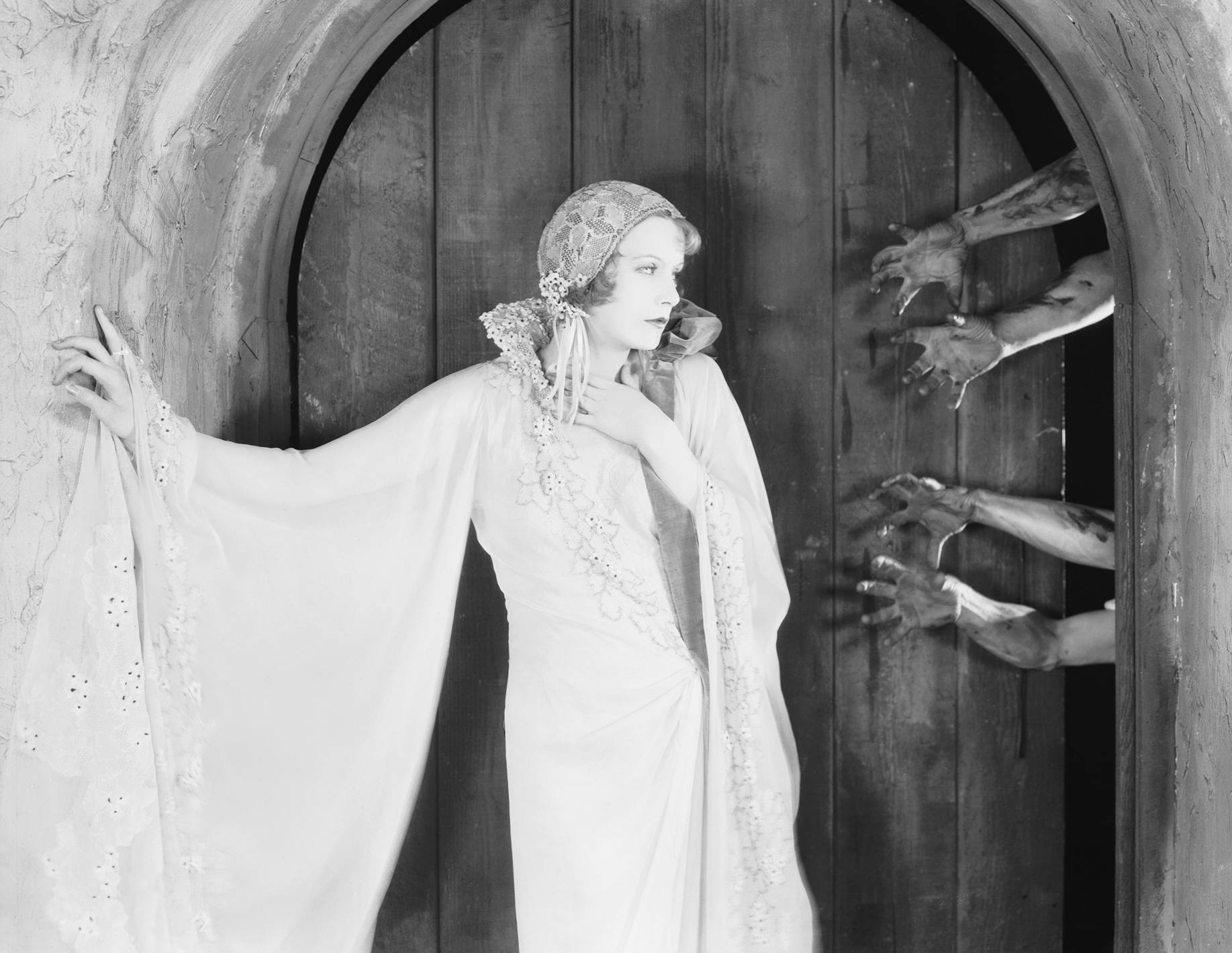
“Again Blasco Ibañez, the usual popular exoticism of a plot split between Paris and South America, there is even a dam that breaking once again would sweep away men, feelings and narrative bottlenecks in the next movie that MGM assigned to Greta Garbo. The Temptress should have been a Mauritz Stiller’s movie; in reality the Swedish director was to be fired ten days after the shooting started and his place was taken by Fred Niblo. It is quite hard to say what remains of Stiller’s hand in the movie, at least in terms of footage: usually traces are found in the distracted Baroque richness and in the detailed and accurate articulation of frames in the first sequences, where a masked ball offers Garbo the chance to show her beauty by a brief suspence, to design and prepare the revelation. The scene where, entreated by the stranger she has just barely met, she takes away her mask at last, finds its perfect resolution, and we see the blinding reflection of her face, in the reverse angle, in the light that suddenly drops on his wonderment (the mask has fallen, and for a second the joy of waiting is prolonged: Garbo raises her eyes very slowly). A similar light would turn to stone Antonio Moreno’s face a bit later, before another revelation of social identity: the nameless woman belongs to another man, she is married. […]
There is a suspended moment, a ferocious bewilderment, in the progression of events that The Temptress is capable of sustaining. Garbo has joined Antonio Moreno in Argentina (the arrival is just a leg protruding from a cab, and a panoramic shot moving up along the body to discover half her face under to the brim of her hat). She is alone in front of the mirror, as it would happen often, and just for once the mirror does not send back the mystery of beauty, but her frightening frailness: this is a distorting mirror, her face is disfigured – we watch it in our upset curiosity – and Garbo expresses here a moment of pure horror. The sacrilege of disfigured beauty lasts only a moment, reassurance is again offered by a new mirror (the magic one), and men’s admiring stares. But at the same time this is as if a fault has been opened, the announcement that the devil will corrupt the flesh, the ridiculous tragedy of every temptation and seduction”.
Paola Cristalli, Cinegrafie, n. 10, 1997