[MOVIE]
Edition History
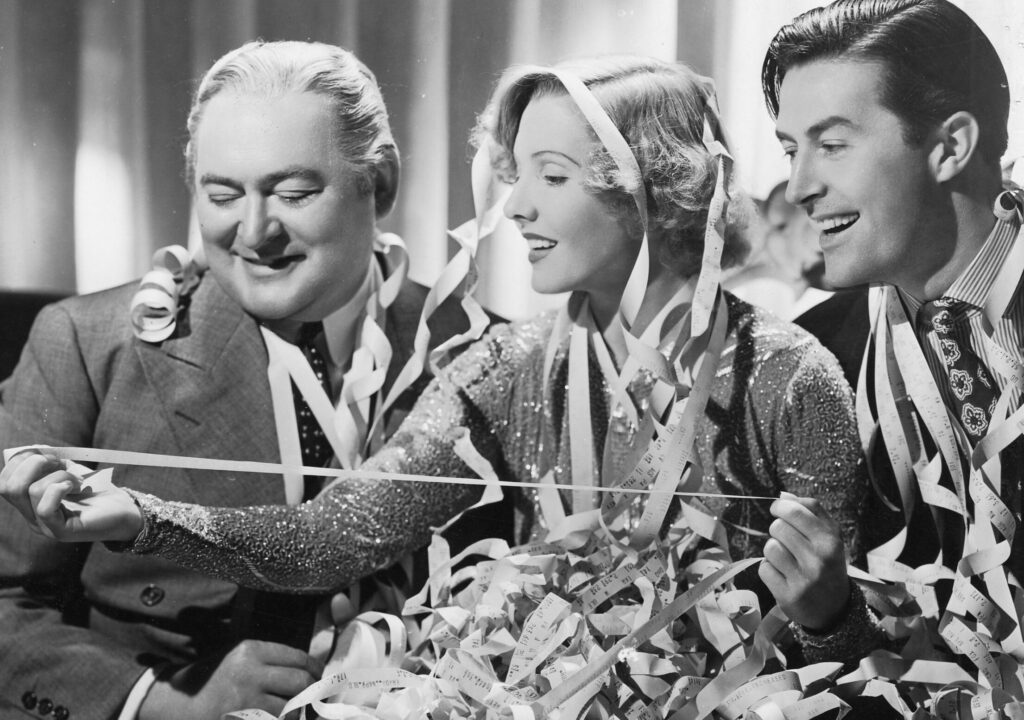
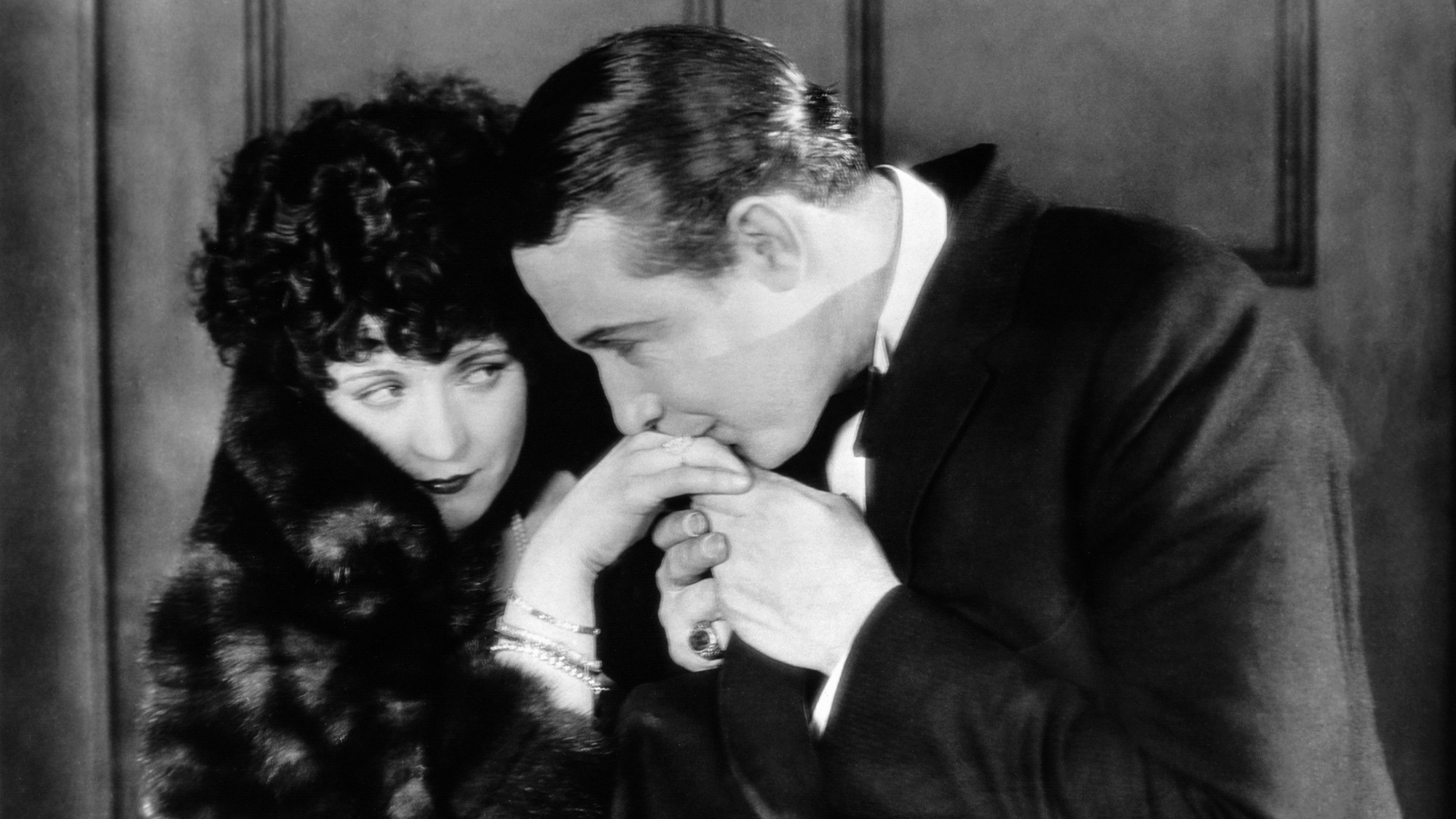
When Lubitsch makes The Marriage Circle, he has been in the ‘celluloid Babylon’ for just over a year; he has directed Mary Pickford in Rosita, and the experience was exhausting; he is ready to pack. Then Warner Bros. comes along, offering him big money and relative freedom. Meanwhile, he has seen a film, A Woman of Paris, of which he will say, “no one’s intelligence is insulted in that picture”. A malicious touch to imply that the rest of the American production of 1923 has seemed insulting to him? The kinship between Chaplin’s sophisticated melodrama and Lubitsch’s first sex comedy is established by contemporary critics, who acclaim the ‘hidden talent’ of a director moving from ‘ponderous’ works to the art of ‘skating on thin ice’ of the marriage plots. Living in the age of film restorations provides the opportunity for new close comparisons, and today no heritage seems as striking as the one that binds The Marriage Circle with Erotikon, Stiller’s masterpiece that Lubitsch carried in his memory from Europe. But Chaplin counts, starting from the image in which Adolphe Menjou puts his foot into a sock and contemplates his big toe sticking out of a hole, an indirect homage to the Tramp. More substantial is the ironic borrowing from A Woman of Paris, an open drawer that displays a series of men’s collars; here, it’s a source of comic annoyance, there, the bitter realization that the beloved girl is now a kept woman. The first Lubitschian flirtatious chessboard, The Marriage Circle is a blissful confusion in which everything is constantly at risk of falling apart so that in the end it can stay the same, amid misunderstandings, escamotages and women’s arms sliding round the wrong (or maybe not) man’s neck. There’s a wife in a marriage wonderland, a friend who wants to seduce her husband, a tempted husband, a timid yet bumbling suitor. And then there’s an outsider, who is the great Menjou. In A Woman of Paris, he was the most disparaging, the most despicable of men about town; here he carries his cynicism like an halo. There’s a suspended moment where that halo seems to dissolve, and we see a man hesitating on the threshold of a secret thought, a past, perhaps a pain, someone who could rise and take the film in another direction. But then he chooses to step out “from the sentimental and sexual merry-go-round, maybe to save himself like the puppeteer in Die Puppe, or like us, the spectators” (Guido Fink).
Paola Cristalli

Restored by MoMA with funding provided by Matthew and Natalie Bernstein
Florence Vidor, born in Huston in 1895, married director King Vidor in 1915; together they moved to Hollywood in order to work for Vitagraph; her first success was a secondary role in A Tale of Two Cities (Frank Lloyd, 1917) and then as leading partner of Sessue Hayakawa, the famous Japanese star ofThe Cheat (Cecil B. DeMille, 1915). In the Twenties Florence Vidor made a name for herself with Lubitsch’s (The Marriage Circle, 1924) and with Malcom St.Clair’s sophisticated comedies. Her remarkable acting talent is confirmed by other important films from the Twenties, such as Alice Adams (Rowland V. Lee, 1923) and Main Street (Harry Beaumont, 1923). She separated from Vidor in 1923 and in 1928 she married violinist Jascha Heifetz. She is one of those actresses from the silent era who could not make the “transition” into the talkies. Kevin Brownlow writes of her acting: “Florence Vidor, as the aristocratic lady of the Lubitsch and Mal St.Clair sophisticated comedies, merely had to incline her beautiful head to make her meaning starkly clear”.
Giuliana Muscio, “Girls, Ladies, Stars”, Cinegrafie, n. 13, 2000
The Marriage Circle was Lubitsch’s second American film, made immediatly after the Lubitsch/Mary Pickford Rosita, and it was the first of Lubitsch’s “social comedies” as Theodore Huff termed them, that sequence of films from The Marriage Circle to So This Is Paris in which Lubitsch explored the serio-comic aspects of the marital estate. Indeed, The Marriage Circle initiates this investigation by focusing on two distinctively different though potentially similar marriages. The first, representing a world of hedonistic experience, is the marriage of Mizzi and Josef Stock. Theirs is a long established and self-destructive relationship, based more on mutual distaste than mutual trust. At some level they respect each other – both are old hands at the game of reciprocal bad manners – but antagonism has clearly overcome affection. Contrasting with this relationship is the newly-solemnised marriage of Charlotte and Dr. Franz Braun. Both are innocents who somehow manage to retain their innocence despite the bizzarre sequence of emotional misfortunes which befall them. (…) The only real difference between the two couples is therefore one of longevity. The Franz/Charlotte relationship simply has not sufficient time to go sour, but there seems little reason to doubt the probability.
Leland A. Poague, The Cinema of Ernst Lubitsch, South Brunswick/New York, Barnes & Co., 1978