[MOVIE]
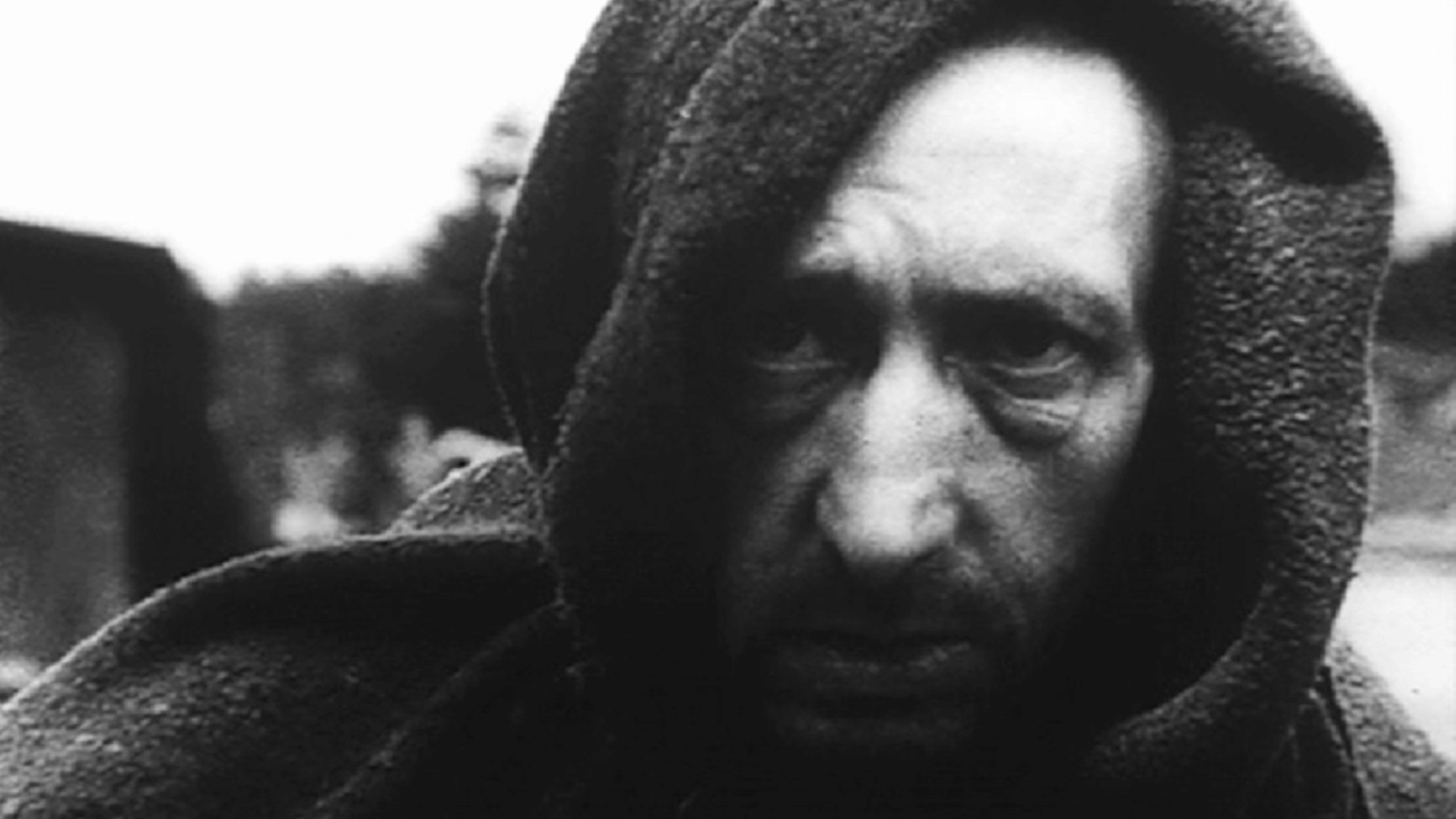
Mus.: Robert Lannoy. Prod.: United States Information Services e Ministère Français des Prisonniers et Deportes. DCP. D.: 34’. Bn.
Edition History
One of the most moving documents of human agony and joy to emerge from World War II, Le Retour follows the liberation and homeward journey of French prisoners from Nazi concentration camps from August to October 1945. From their disbelieving, sunken faces to the hospital recoveries and finally to their journey home by foot, truck, and plane, the camera captures their profound expressions of fear, anticipation and bliss. Confrontations at the border checks, the US airlift over France, and the tentative smiles on the men’s faces as they arrive by train and watch for familiar faces are rendered unforgettably by Cartier-Bresson’s adroit camera. By concentrating on this single event, he has said more about the separation and destruction of war than hours of combat footage. “In the face of great catastrophe and human tragedy,” says film historian Richard Barsam, “the artist is often mute; in reflection he finds that simplicity is the only technique by which to capture the magnitude of the events before him. Cartier-Bresson is such an artist.”
Circulating Film Library Catalog, The Museum of Modern Art, New York 1984

Restored in 4K in 2023 by La Cinémathèque française at Hiventy laboratory, from a 35mm dupe positive
The film presents one of the problems faced by the Allies following their victory against Nazi Germany: the country was overflowing with people who had been brought there against their will and that had to be repatriated. The United States Information Services, as usual, wasted no time: first of all they had to shoot a film to launch a clear message and catch the audience’s attention. They had no scruples in achieving this. They mixed current affair documents, whose meaning they had no qualms in overturning, with reconstructed news items and scenes shot as required. The result is at times irritating but never to the point of destroying the credibility of the question. This time they enlisted the services of three old French prisoners of war: Claude Roy, who wrote an extremely revealing commentary on the mood of the period, the musician Robert Lannoy and Henri Cartier-Bresson, whose personality dominates the whole work. He only shot the final sequence: the prisoner’s arrival at the gare d’Orsay, but his touch can be recognised in many other scenes, especially the ones that describe the atmosphere that reigned at the time between Russian and American soldiers.
Jean-Marie Buchet – Cinémathèque Royale de Belgique