[MOVIE]
Edition History
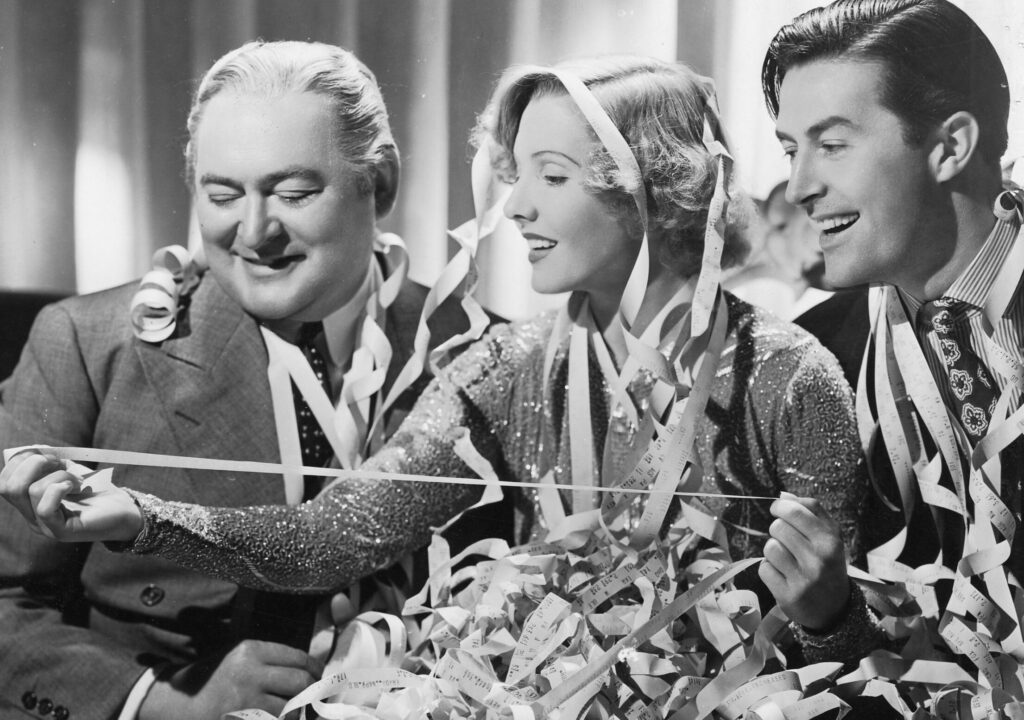
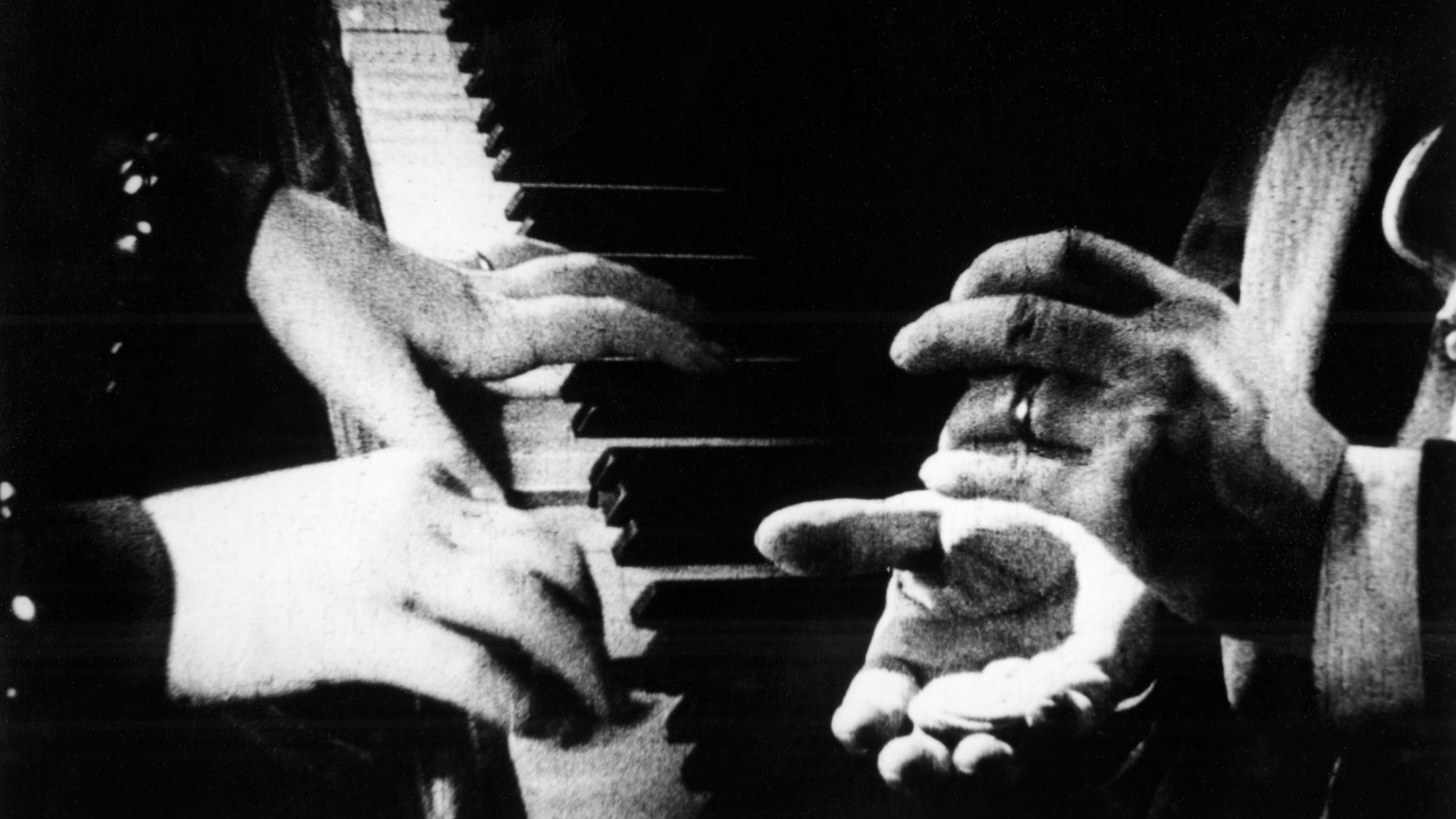
In 1922, the trailblazing feminist, filmmaker, and film theorist Germaine Dulac worked with sportswriter and music lover André Obey to adapt his successful avant-garde play to the screen. While not her first feminist film, Dulac’s impressionist La Souriante Madame Beudet marks a crucial turning point in film history with its incomparable portrayal of female (even queer) subjectivity through specifically cinematic means. The plot: Madeleine Beudet (Germaine Dermoz), a woman with modern aspirations, seeks to escape an oppressive marriage to Mr Beudet, a businessman with traditional bourgeois values and classic tastes (Alexandre Arquillière). Yet, through the careful juxtaposition of realist and symbolist elements, Dulac, a seasoned dramatic critic, also puts forth an original, highly sophisticated discourse on cinema’s aesthetic modernity in relation to theater and the other arts. From on-location shooting exposing in rapid, discrete touches the natural grey tones of a stifling provincial life, to the subtle symbolist acting of Dermoz as Mme. Beudet set in contrast to the hieratic gesticulations of boulevard theater actor Arquillière as Mr Beudet, Dulac draws up a complex and unforgettable portrait of the heroine’s bleak and unpromising future, while glimmers of a dream world establish the stakes of cinema’s battle for medium specificity.
Tami Williams

Restored by EYE Filmmuseum at Haghefilm laboratory from a 35mm nitrate print preserved at Cinémathèque suisse
La Souriante Madame Beudet è considerato il capolavoro “impressionista” della Dulac. Tratto da un’omonima opera teatrale di avanguardia scritta dall’appassionato di musica e saggista sportivo André Obey, il film presenta la “vita interiore” di una giovane donna moderna che sogna di fuggire da un matrimonio oppressivo. Il suo punto di vista femminile e il suo desiderio di esplorare la vita moderna vengono trasmessi con gesti, movimenti, ritmi ed effetti tecnici innovativi. La Dulac inserisce anche riferimenti a Baudelaire, Debussy e alla pittura preraffaellita, suggerendo un paragone tra le potenzialità espressive di questo nuovo strumento e quelle di altre arti.
Tami Williams
Here, we are clearly dealing with a challenge to our good old film studio traditions. This discrete and ferocious act which contains all the gray desolation of the fate of a province, is devoid of action in the way that action is intended by our directors. We can however find a series of psychological observations of pitiless accuracy, of a subtlety that seems, by definition, to evade any and all plastic translations. But all of those who have understood the authentic power of the cinematographic art know that, in this field, moving vision can reach unlimited eloquence and suggestive strength. (…) In this colorless story of sub-prefecture, Germaine Dulac (…) was able to avoid easy tricks of the trade that would have falsified its nature. She voluntarily did without the richness of artificial lighting, the elegance of back lighting, tracking lights and irresistible close ups. (…) She understood that this melancholic adventure needed to remain within the discouraging monotony that envelops and suffocates it, like a rain of ashes.
Emile Vuillermoz, Le Temps, 19 February 1923