[MOVIE]
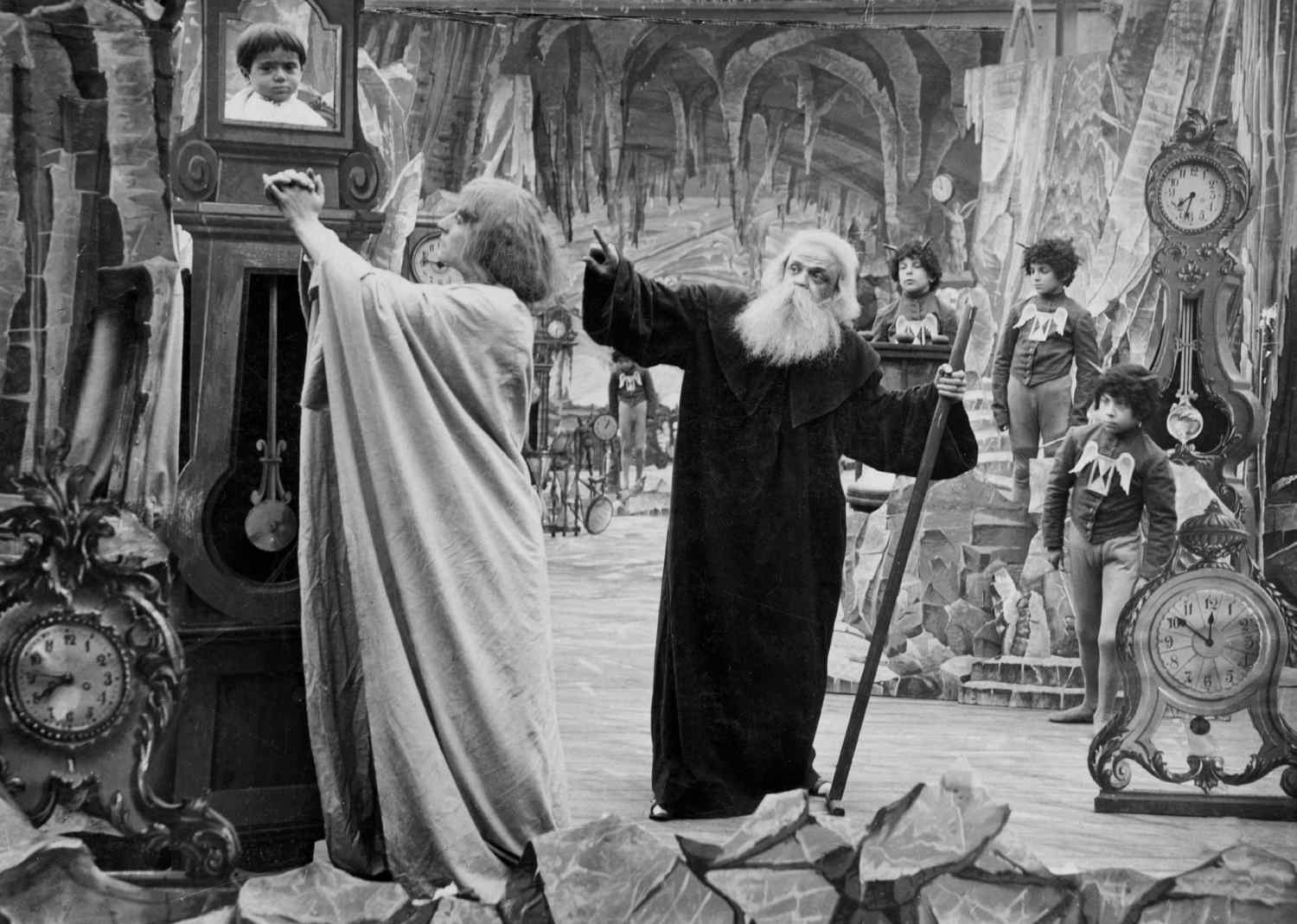
Scen.: Arrigo Frusta. F.: Giovanni Vitrotti. Int.: Mary Cléo Tarlarini (la madre), Oreste Grandi (la morte), Ercole Vaser (il figlio a vent’anni), Maria Bay (il figlio bambino). Prod.: S.A. Ambrosio. 35mm. L.: 150 m (l. orig.: 202 m). D.: 12′ a 16 f/s Tinted (Desmetcolor)
Edition History
Snowy exterior shots and painted backdrops for a dark fairy tale with disturbing moral implications. Death is a benevolent old man with a sickle who lives in a magical cavern full of pendulums – the lives of men – and disturbing little devils with wings drawn on their chest. When he takes a baby from its mother, she cannot come to terms with it until the other future is shown to her in a magic spring proving to her that it could be worse: disgrace. In the closing emblematic shot, two daggers pierce her heart. Mystical.

Restored in 2007 by Fondazione Cineteca Italiana, Milano and Museo Nazionale del Cinema at L’Immagine Ritrovata laboratory from a nitrate print preserved by Fondazione Cineteca Italiana
“Some time ago this company [Ambrosio] released an extremely poetic picture entitled The Snow Maiden [La fanciulla della neve]. It seems not improbable that the same author and producer fashioned this picture; but though it is a fantasy in some ways like the former, it has a very different, brutal quality, and is very much poorer art. In the first place, the idea behind it is pessimista – not quite normal. It is usually left for some officious idiot to comfort a mother’s grief by telling her that if her child had lived, he might when he had grown up have been a cause of grief to her. The picture of Father Time’s big clock room is as unreal as somebody else’s dream; yet it was a very good idea to show the pictures that the mother saw, under a thin film of rippling water – the effect is weird. These brutal scenes, which were shown as possibilities, comforted the mother, so the picture shows, and made her glad that her boy lay dead. She wanted him dead”.
Anonymous, “The Moving Picture World”, New York, 19 August 1911